In brief
In January, a group of Afghan migrants who sought to cross into Turkey were detained in Van and subjected to beatings, deprivation and forced labor by border guards. They were then pushed toward the Iranian border under sub‑zero conditions, leading to widespread frostbite and the amputation of limbs in several cases. While Turkish officials claim they adhered to legal standards, human‑rights advocates argue the treatment amounted to abuse and forced push‑back. The survivors eventually reached Afghanistan, only to find medical help delayed, resulting in severe amputations and deaths.
Warning: This article contains images and descriptions of violence that some readers may find distressing.
A dozen young Afghans who tried to reach Europe in January have told BBC Afghan Forensic that they were among a group of about fifty migrants beaten and stripped by Turkish border guards before being stranded in the snow.
The migrants were forced from the eastern Turkish city of Van toward the Iranian border where temperatures plummeted to -15°C. They say at least twenty people died of hypothermia and eleven of the twelve men and boys who spoke to the BBC – all aged 25 or under – lost limbs to frostbite before returning to Afghanistan.
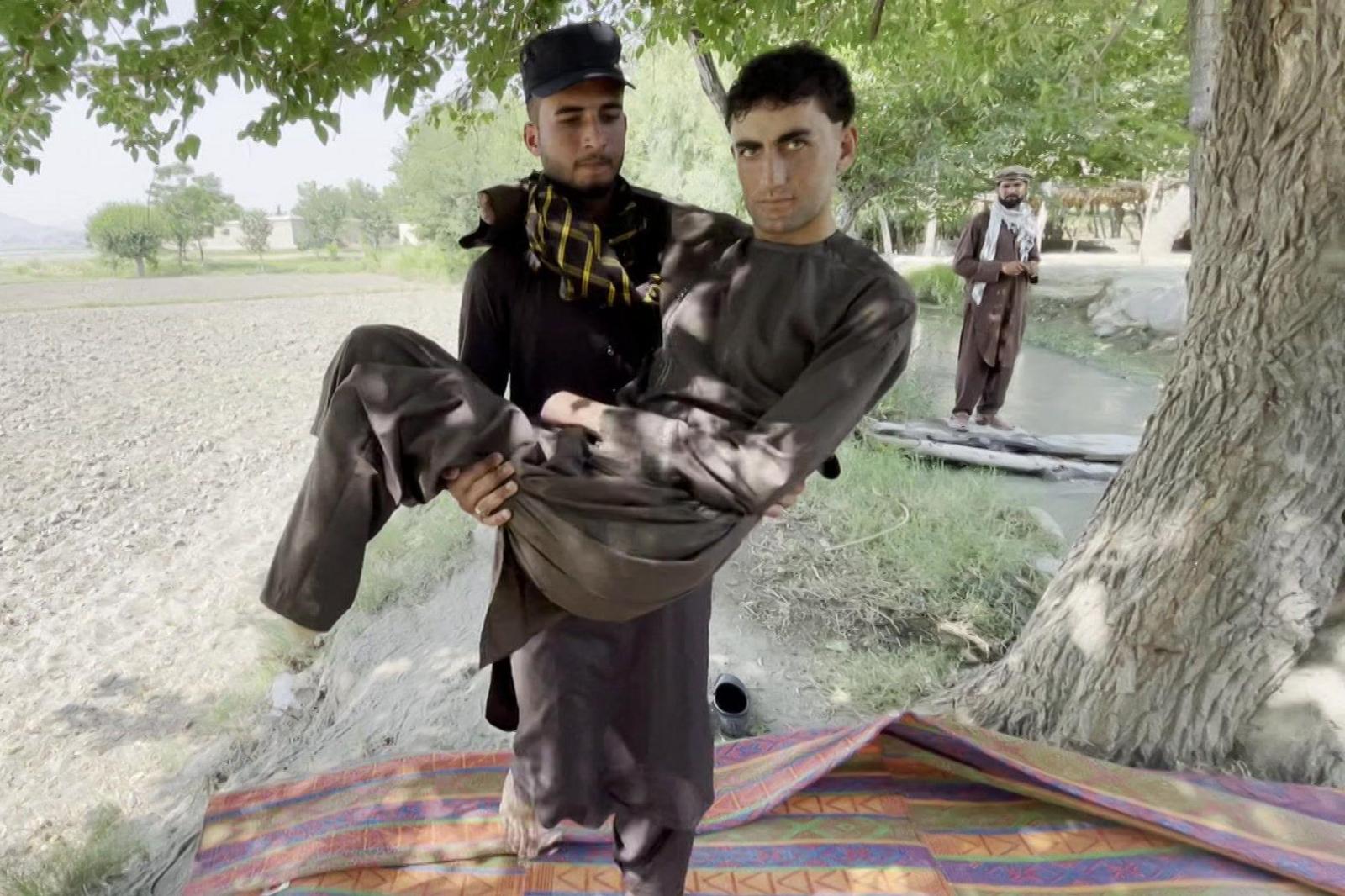
One of the migrants, Shahsawar, 21, said he regained consciousness in a Kabul hospital to discover both his hands and legs had been amputated; "I raised my hands – they felt light…both had been cut off," he told the BBC. His throat closed up and he could not speak.
When approached for comment, Turkish authorities did not specifically address the allegations. The foreign ministry said border forces followed national and international laws and provided detained undocumented migrants with food, water and medical care.
In mid‑January, around fifty undocumented Afghan migrants were arrested after smugglers helped them cross into Van. Shahsawar said he was detained immediately upon entering the city and then lined up and beaten by border guards. They were kept for several nights in a warehouse and were offered only water and dry bread each day, with parts of the group required to carry wood and clear snow during brutal winter conditions.
The migrants claimed they were again lined up on 25 January, this time with iron bars; they were stripped of clothes, had their hands tied and were forced to crawl toward a hill. Some were said to have had heads broken and blood pouring over their shoulders. The rough night was marked by heavy snowfall and almost no visibility. The migrants were released in groups of eight, pushed through barbed wire toward Iran, unable to locate their families or the trafficker who promised to take them to Europe.
After the violent incidents, the migrants sought help in Iran but were reportedly refused hospital treatment. The Afghan embassy in Tehran announced urgent steps to aid them, and the Red Crescent Society transferred the survivors overland to Herat Province and then to Kabul for medical care.
At Kabul hospital, Shahsawar’s limbs were amputated after a grey‑table complete blackout on the lower limbs had turned black and itching; the body was deemed beyond saving if not treated immediately. Frostbite can be reversible if treated promptly, but the delays of care allowed the disease to cross the skin and bone dues.
Activist Şafak Bozkurt of the Van Bar Association Human Rights Centre noted that push‑backs in the region have become more frequent since the Taliban’s seizure of power in 2021, and increased border surveillance forced migrants onto riskier routes. Other activists such as Zakira Hikmat and Mahmout Keçen have documented similar incidents, noting the dangerous mountains used and the lack of fair asylum procedures at the Iran‑Turkey border.
Turkey’s foreign ministry has denied the injustice claims and emphasized its successful fight against irregular migration. It stresses its ‘human‑centred and sustainable migration‑management system’ aligns with civilizational values, balancing security and freedom. Nevertheless, Turkish human‑rights organisations argue that the migrants’ accounts show severe abuse and push‑backs that violate basic human rights.
In addition, the Iranian authorities were also approached for comment on the situation, but no official response was recorded in the coverage.