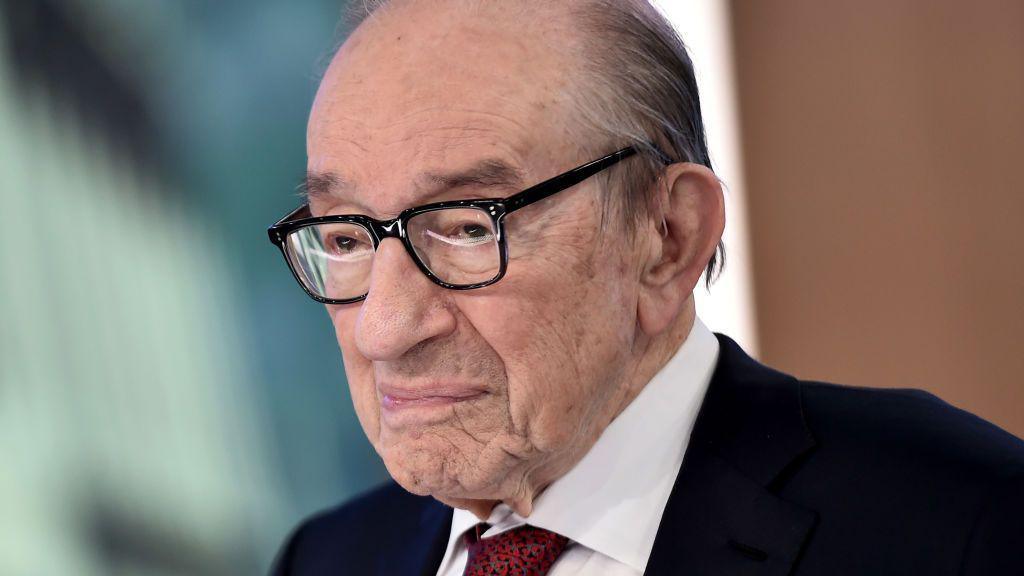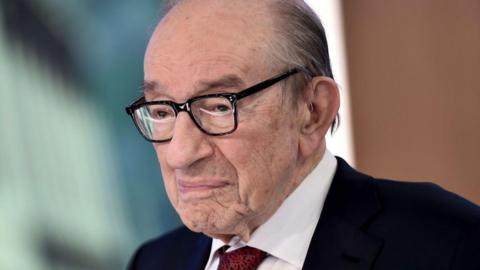
Alan Greenspan, architect of the modern American economy, dies at 100
Former Federal Reserve chief Alan Greenspan, who guided the United States through two decades of growth, passed away at the age of 100, according to his wife Andrea Mitchell.
Greenspan’s tenure as chairman from 1987 to 2006 was marked by deft handling of the 1987 crash, low‑interest‑rate policy through the late 1990s, and a historic period of sustained economic expansion. He was praised for keeping inflation in line and for helping the bank system survive crises such as the savings‑and‑loan debacle and the Gulf War downturn.
Critics, however, point to Greenspan’s emphasis on deregulation and encouraging easy credit as catalysts for the dot‑com bubble and the 2008 sub‑prime mortgage downturn. During congressional hearings after the collapse he conceded that he had trusted the market’s self‑regulation more than warranted.
His influence extended beyond U.S. borders; he advised presidents of both parties, encouraged military action in Iraq, and was an outspoken critic of Britain’s exit from the European Union, labeling the decision the “worst outcome” for the UK.
Despite the controversies, Greenspan is remembered for his long stewardship that witnessed GDP decline only once during his chairmanship. He celebrated his centenary in March 2026 and remained a sought‑after commentator into his later decades, warning against rapid rate hikes in 2023.
Image credit: Getty Images