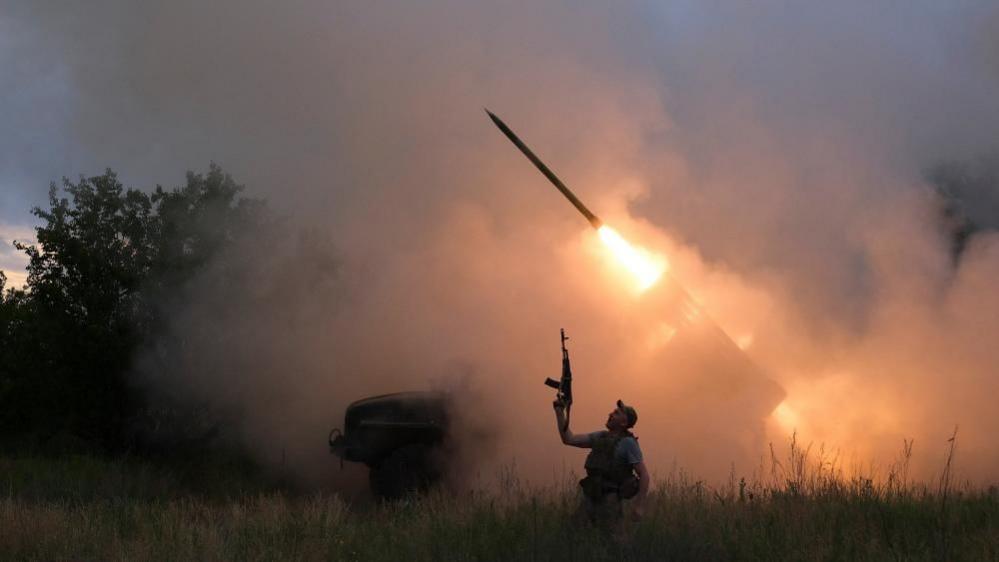
For Ukraine, the financial frontline is perhaps the unseen battlefield in the war with Russia. Keeping the economy stable is crucial not only for the present but also for the future that the nation has fought for over four years.
Finance Minister Sergii Marchenko asserts, We don't want to be just a poor neighbour [to the EU]. He emphasizes the military expertise Ukraine has gained since February 2022 as a unique advantage it offers Europe.
According to Marchenko, the EU is providing vital support, including a recent €90 billion loan helping cover the budget shortfall over the next two years, a crucial lifeline for Ukraine's war-torn economy.
Despite increased domestic taxes, essential for supporting military expenditures, challenges remain high with significant inflation affecting prices and living conditions. Citizens, including pensioners like Tetiana and young workers like Mykyta, express the burdens faced amid rising costs and stagnant salaries.
The necessity for foreign investments to aid reconstruction after the war is evident, with potential investors keenly interested in opportunities post-conflict. This hope contrasts sharply with immediate woes—shortages of essential resources like electricity and skilled labor remain serious impediments.
While external financial support is anticipated, Ukraine's resilience, emphasized by Marchenko, reflects a collective determination to not only defend the nation but to also build a better economic future amidst adversity.