In brief
For seven consecutive days, crowds of students and riot police have fought in Tirana, leaving 295 injured, including 186 officers. The demonstrators accuse leader Edi Rama of corruption and poor university conditions and are demanding his resignation. The Prime Minister has blamed “dark forces” and warned that any negotiation would bring about state collapse. Human‑rights lawyers report chaotic police conduct and a lack of evidence when charges are filed. In the heat of the protests, activists say they fight back non‑violently and aim to prepare for a technocratic government before free elections.
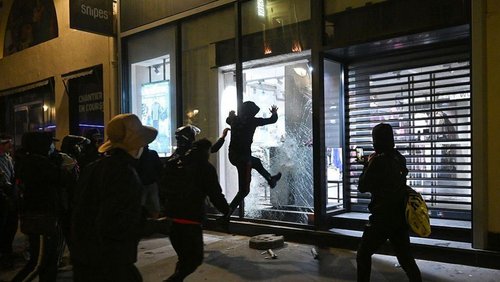
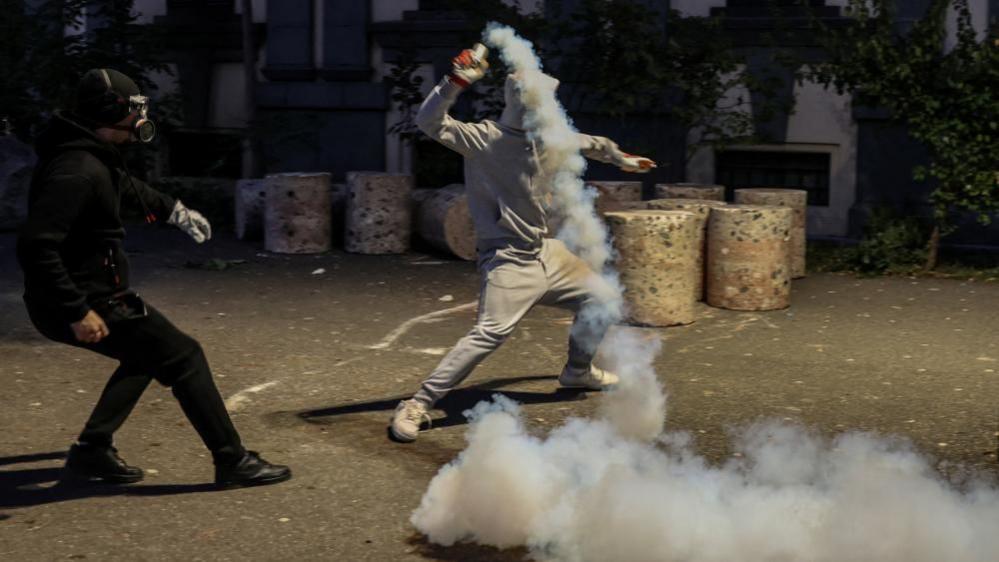
For the seventh straight day, streets in Albania’s capital Tirana have seen unrest as students and police forcefully confront each other, leaving a total of 295 injured. According to the police, that number includes 186 officers.
The demonstrators, mainly high‑school and university youths, are pushing for Prime Minister Edi Rama to step down amid allegations of corruption, failing university conditions and a perceived absence of true democratic options.
Prime Minister Rama warned that any negotiation with protestors would mean the state has fallen, and accused the demonstrators of being radicalised by “dark forces” in Europe and the US. He claimed that Albania has become a target of a coordinated attack.
Police have used water cannon, tear gas and pepper spray to disperse crowds, with police reporters noting that the authorities often act chaotically and are quick to shoot at protestors. Human‑rights lawyer Gentian Sejrani says the police rarely present evidence in court and that those who throw stones rarely get caught.
Activist Sidorela Vatnikaj, a master’s student and veteran protester, says she coordinates support for protest groups, first aid and lawyers, but is uncomfortable with the violence she sees. She blames police actions for fuelling the clash and states that protesters, many of whom come from families that have emigrated, feel unheard and pushed to the brink.
Despite the intensity, many participants hope that a temporary technocratic government could pave the way for genuine democratic elections. Rama, who has ruled for 13 years, insists he is the only one capable of achieving EU membership by 2030.