In brief
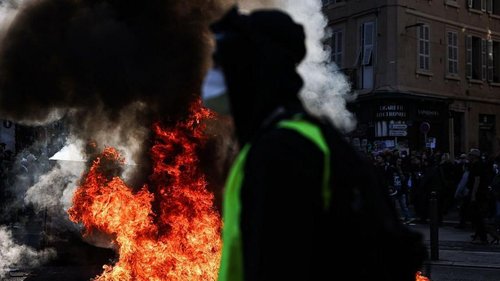
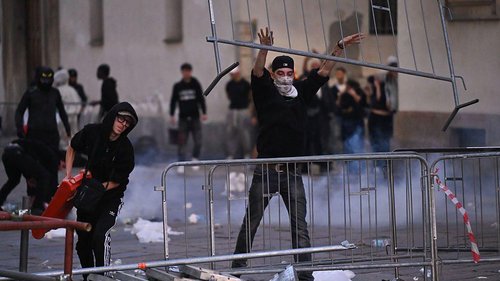
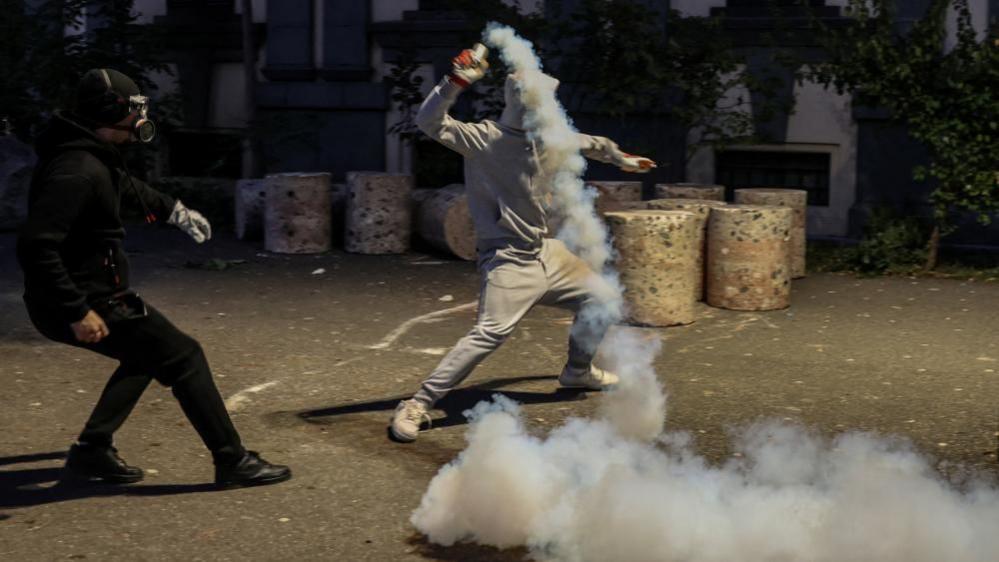
For a full week Albania has witnessed violent confrontations between student protesters and riot police, provoking the injury of almost 300 people, most of them officers. The demonstrations, sparked by calls for better university conditions, an end to corruption, and the resignation of Prime Minister Edi Rama, have targeted government buildings and sparked a national outcry. While police have deployed tear gas and water cannons, activists have been pressurised by legal experts who highlight the lack of evidence in arrests. In the aftermath, a prominent activist stresses that while violence is regrettable, it reflects a deep frustration among young Albanians who feel unheard. The turmoil has intensified questions about the country’s democratic trajectory and its future EU integration aspirations.
Albania’s cities erupt in a week‑long clash between students and police, leaving nearly 300 injured.
High‑school and university students have staged continuous protests against Prime Minister Edi Rama’s administration, demanding reforms in higher education, an end to corruption, and a mass resignation of the prime minister. Police have responded with tear gas, water cannons and forceful crowd‑control tactics, resulting in 186 officer injuries and 109 civilian casualties.
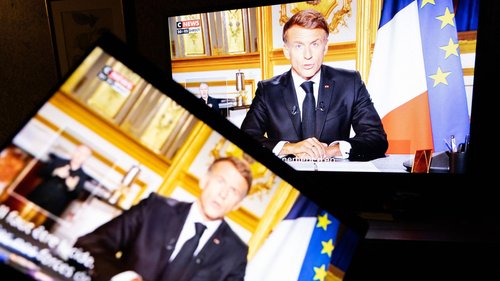
During one heated exchange, the prime minister reportedly brandished a rock at police, stating that any negotiation would signal a state collapse. He also accused the demonstrators of being “radicalised by dark forces in Europe and the U.S.”, a claim that added a charged political narrative to the unrest.
"The police actions are often chaotic and stupid," said human rights lawyer Gentian Sejrani, who represents over a hundred detained demonstrators. He criticised the lack of evidence presented against those arrested, including unrelated cases such as a man caught before a bus stop.
In Rinia Park, groups of volunteers wearing yellow jackets assisted wounded protesters, while attempts at calm were undermined by continued clashes. One activist, Sidorela Vatnikaj, described her usual day as coordinating aid, ensuring allies’ safety, and coping with the daily spiral of violence.
Vatnikaj, who has eight years of anti‑government protest experience, expressed that while she is uncomfortable with stone‑throwing, she views it as a desperate expression of anger among people who feel marginalized. She notes that many protesters have families that migrated last decade, carrying memories of hardship and betrayal.
Rama, who has ruled for 13 years and promised EU membership by 2030, denounced the movement as a threat to national stability. If he were to step down, he says Albania would need a technocratic government for a year to prepare for real democratic elections.
As the protests continue, the nation faces heightened uncertainty about its political future and the path toward EU integration in the coming years.