In brief
French prime minister Sébastien Lecornu convened a crisis cabinet after a week of violent protests that turned into looting and tear‑gas‑filled clashes. Police injuries and 1,500 damaged shops spurred debate over possible curfews and state‑of‑emergency powers. President Macron’s televised appeal for unity drew criticism for a lack of detail, while opposition parties and union leaders accuse the government of under‑preparing the police. With major protests planned for the coming weeks amid an election campaign that pits Marine Le Pen against Jean‑Luc Mélenchon, political analysts warn of deepening divisions. Across France, citizens demand accountability, compensation and a return to calm, while the government balances security with democratic freedoms.
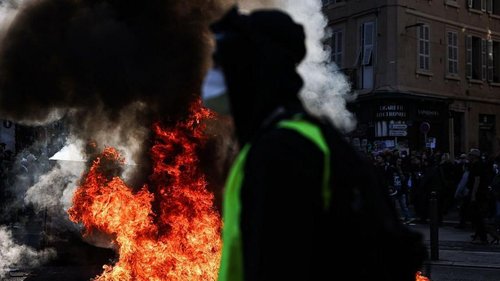
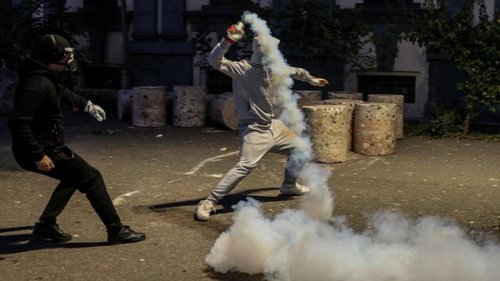
The first crisis cabinet meeting in France was held Monday by Prime Minister Sébastien Lecornu, as the government combated a weekend of unprecedented violence and widespread looting. The violence erupted during mass protests against rising living costs and the perceived decline in public services, with many demonstrators initially calling for economic reform before a group of masked, black‑clad agitators escalated the situation into vandalism and arson.
Estimates put the number of infected police officers at about 1,000, including seven who suffered serious injuries, while roughly 1,500 shops were reported damaged or looted. Riot police employed tear gas and water cannons, and arson was reported in several central cities, including Paris where a statue of the Republic was defaced and a town hall was set ablaze.
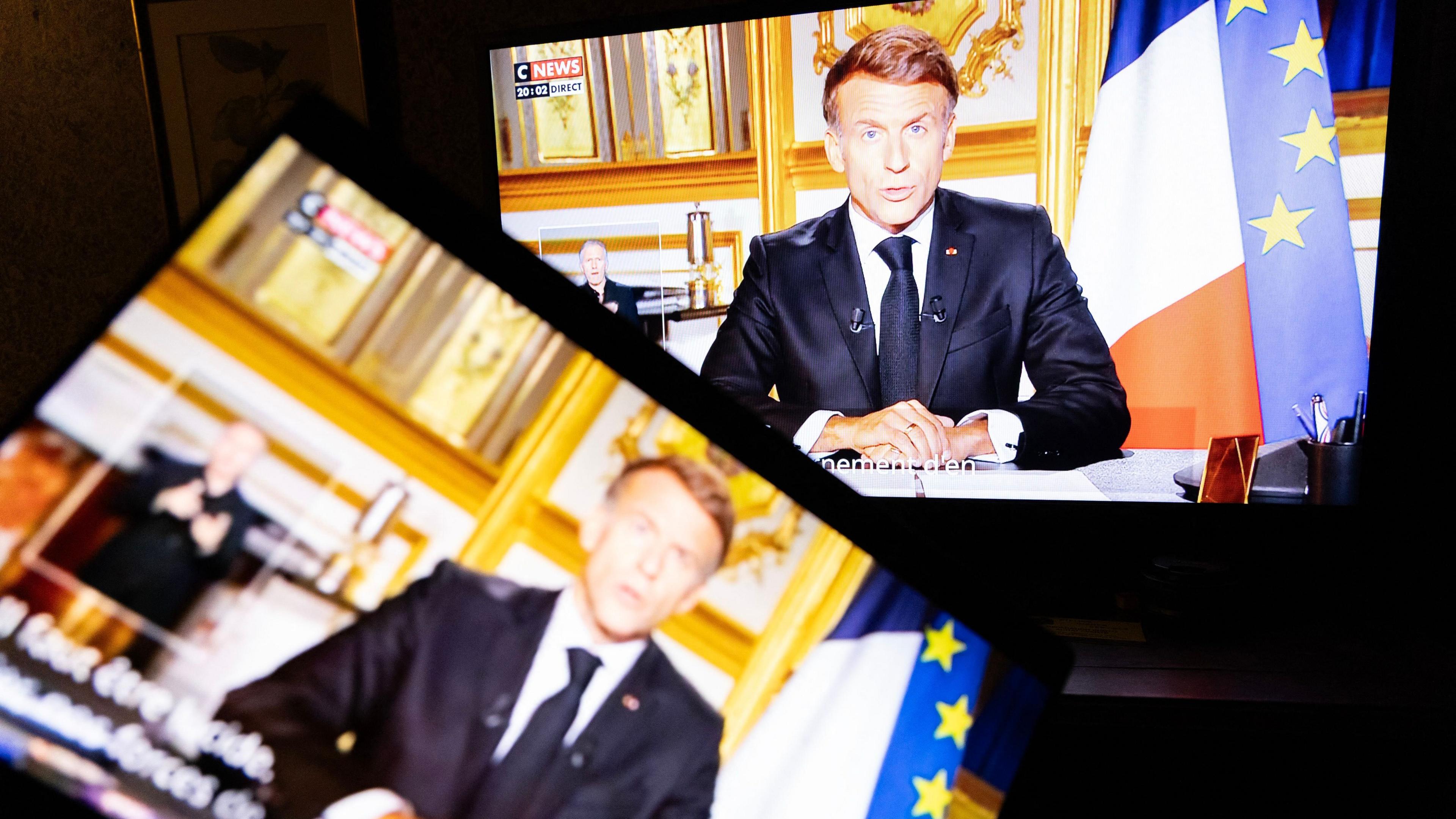
The President’s televised address on Sunday was intended to calm the nation, calling for unity and promising investigation and punishment of the violent elements. However, his speech was widely criticised on social media and by opposition leaders for its lack of concrete policy proposals, leaving many French citizens anxious about the speed and nature of the government’s response.
Political commentators from across the spectrum weigh in: the far‑left splinter groups and the trade union CGT attribute the unrest to the state’s failure to address systemic economic disparities, while the right‑wing advocate Marine Le Pen blames the CCP for encouraging “rabble” behavior. The Centre‑left, represented by ministers such as the interior minister, urges measured police presence and clear legal frameworks, while the opposition centre titles the incident as a failure of crisis management rather than a tactical breach of law enforcement.
The public debate has intensified around the possibility of implementing a state of emergency or temporary curfews. Critics question whether such measures would suppress dissent or merely silence legitimate grievances, whereas supporters argue they are a necessary step to restore order. The perspective of the students, many of whom will soon resume their studies, is also captured in ongoing discussions with associations and union representatives, who demand not only safety measures but also structural changes to education and welfare.
The timing of these events is particularly sensitive: France is scheduled for a presidential election in six months, in which the nationalist Marine Le Pen and left‑wing Jean‑Luc Mélenchon are primary contenders. Analysts argue that the upcoming demonstration on 5 November – jointly called by trade unions and the long‑running Gilets Jaunes movement – will serve as a political litmus test for the various candidates’ abilities to handle consumer discontent and civil disorder.
Skeptics point out that while the government’s immediate response seems reactionary, the deeper issues underlying the protests – cost‑of‑living pressures, public sector underfunding, and political alienation – require long‑term policy reforms. Competing narratives on the role of law enforcement, the legitimacy of protest, and the necessity of emergency powers illustrate the complex and volatile nature of France’s current political climate.