In brief
In the capital Tirana and other major Albanian cities, protests that began as a quiet, student‑led demonstration over soaring education costs have spiralled into violent clashes. Police have used water cannon, tear gas and batons, while protesters have set fire to government buildings and attacked private businesses. The core of the unrest is rooted in the long‑running Flamingo movement, which has demanded the resignation of Prime Minister Edi Rama and highlighted alleged corruption. International observers are watching closely as Albania seeks EU membership amid the turbulence.
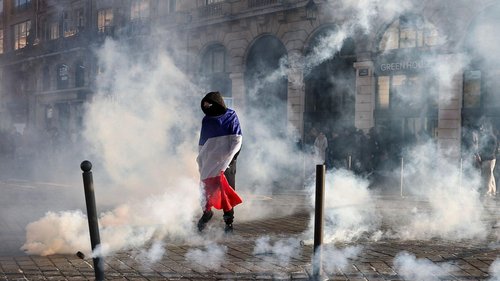
Protesters and anti‑riot police have clashed in Albania’s main cities in scenes not witnessed for a long time.
Government buildings have been attacked and some private businesses, too.
So what is happening?

Tirana has seen months of protests from an anti‑government “Flamingo” movement, but what started on Tuesday this week was on a different scale. The clashes have spread beyond Tirana – to the main cities of Durrës, Shkodër, Korçë and Vlora. The new demonstrations were announced as a student movement, ostensibly demanding government action to help with the high cost of education fees, books and the cost of living. Secondary schools joined in, swelling the numbers.
Soon, masked protesters threw stones at police, and they responded with water cannon, tear gas and batons. Many were incensed by scenes of a young man being carried away, his broken leg dangling with him in agony. Apologies were expressed but failed to calm the situation. A floor of the education ministry was set on fire, with other government institutions ablaze, too.

During the summer for 135 days in a row, Albanians in central Tirana held pictures of a pink flamingo, calling on Prime Minister Edi Rama – now in his fourth term – to resign. The protests began over a mega‑tourism project on the Adriatic coast linked to US President Donald Trump’s son‑in‑law, Jared Kushner. Demonstrators said the bird would become extinct on an island near the coastal city of Vlora if the plans for a luxury development went ahead. The public anger comes as allegations of corruption among ministers and other senior officials grow louder. One deputy prime minister has fled the country, another has been ordered to step down as investigations continue.
The flamingo protesters say they have no links to any political party – one of their slogans being “Rama in jail, Berisha in jail”. They were attended by young and old, parents with children and sometimes their grandparents. Some of the participants took pride in cleaning up after every night. But after months and an unusually hot summer, their numbers dwindled – with no sign that the government was meeting their demands. The current movement appears far more violent. Dozens of police have been hurt, and the eyes of Europe are now watching what happens next in a country viewed as one of the top candidates for EU membership.
The prime minister has been touring some of the damaged buildings and blaming Sali Berisha for instigating chaos. He said the unrest was the work of a hand that has “burned and destroyed Albania more than once.” He ruled out resigning, promising to “listen, address legitimate concerns and keep Albania moving forward”. While Berisha’s Democratic Party has often tried to get people out to oust Rama, the number of his loyal supporters has been low in comparison to the current attendance. Albanian media suggest that secret services of foreign countries may be involved, with unfounded allegations against Serbia. Prime Minister Rama echoed the allegation, accusing foreign hands that do not wish for Albania to be at peace.
Is Albania safe to visit?
Although the street violence has taken place in many cities, it remains contained for the time being. The UK government has urged visitors to check media for the latest information, stay away from demonstrations, large‑scale gatherings or political rallies and follow advice of local authorities. Albania is a popular tourist destination, and the government in Tirana has warned that violence tarnishes the country’s image, affecting both tourism and its European path.