In brief
Deforestation monitoring group MapBiomas reports a dramatic fall in Amazon burned area in 2025, the lowest since data collection began in 1985. The reduction from 15.8 million hectares in 2024 to 3.1 million hectares reflects cooling La Niña conditions and possible policy measures under President Lula. Analysts caution that a single year’s improvement does not guarantee a lasting trend and that El Niño and human activity could reignite fires. The decline is seen as political win for Lula’s campaign but also a flashpoint for debates over future forest protection and economic development.
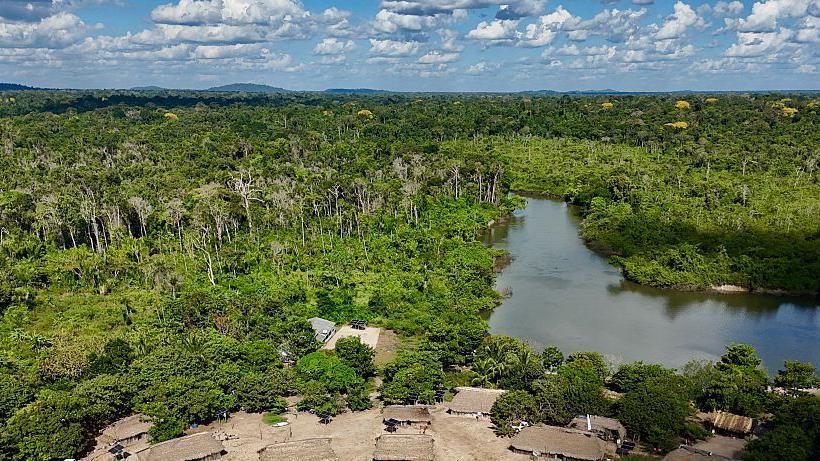
The Amazon rainforest in Brazil recorded a 31 % drop in the area burned in 2025, a sharp contrast to the 15.8 million hectares that were scorched in 2024, according to MapBiomas, the country’s deforestation monitoring group.
The 3.1 million hectares burned in 2025 represent the smallest figure in the organization’s records since 1985, the year when systematic satellite monitoring began. This follows the previous year’s unprecedented fires, the worst the region has seen in over two decades, which were blamed on “climate extremes and human activity” by the Copernicus Climate Change Service.
Dr Vera Arruda, researcher at the Amazon Environmental Research Institute (IPAM) and MapBiomas coordinator, said: “The 31 % drop compared to the historical average, driven primarily by the lowest number of fires recorded in the Amazon in 41 years, is positive news, but it does not yet allow us to conclude that this is an established trend or to scale back prevention efforts.”
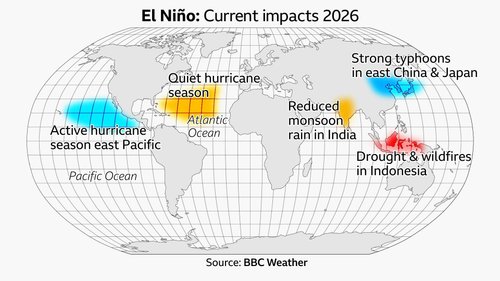
The lower figure in 2025 is partially linked to a shift from the dry El Niño climate pattern to the cooler La Niña conditions, which generally reduce fire risk. However, MapBiomas warns that if El Niño returns, it could extend the dry season and increase the likelihood of future fires.
The 2025 results are seen by some as a boost for President Luiz Inácio Lula da Silva’s campaign, who took office in 2022 with a pledge to reverse the deforestation surge that occurred during his predecessor Jair Bolsonaro’s period in office.
Lula’s promise of a “zero deforestation” target has been welcomed by environmentalists, yet he has faced criticism for approving oil exploration near the Amazon mouth, which critics argue undermines the forest’s protection.
The decline in fires also coincides with a broader reduction in forest fires across Brazil, where 12.7 million hectares burned in 2025 compared with 30 million hectares in 2024 – the highest annual figure recorded in 2007.
Despite the encouraging numbers, experts stress the importance of continued vigilance, as climate change can still create conducive conditions for large-scale fires and deforestation continues to be driven by land‑clearance for agriculture and logging.
The Amazon’s ecological role in carbon sequestration and biodiversity remains critical, prompting ongoing debate about the balance between economic development and environmental protection in Brazil.
Source: BBC News (10 min ago)