In brief
Bangladesh, once praised for making strides in measles elimination, now faces a severe outbreak causing hundreds of child deaths. The surge coincides with a vaccine shortage blamed on government procurement delays and the lingering effects of the pandemic. Hospitals are overburdened, patient beds scarce, and families struggle to access care. UNICEF and the government launched emergency vaccination drives but cases still rise. The crisis underscores the fragility of public health gains when supply chains falter.
Background
Bangladesh had announced earlier this year that it was on track to eliminate measles, with vaccination coverage above 90 per cent. That progress has now been reversed by a rapid and large outbreak that began in March.
The Outbreak
Government reports list about 750 deaths since March, most of them children. The deaths include both confirmed and suspected measles cases. UNICEF warns that the real number is likely higher due to limited data collection and a stressed health system.
A Medical College Hospital ward in Mymensingh now holds more than 130 patients in 32 rooms, forcing families to lie on blankets on the floor. Hospital beds for the most severe cases are scarce, and many children share rooms with uninfected patients.
Root Causes
Experts point to a mixed vaccine supply chain. A pause in purchasing during the transition of Bangladesh’s government created a gap of several months. The pandemic delayed routine immunisation campaigns, and a mass measles‑rubella programme has not run since 2020. Travel and high temperatures during Eid increased contact and spread.
Unicef’s statement labels the situation a “perfect storm” of delays and shortages. The interim leadership in Bangladesh was accused of prioritising procurement restructuring over immediate vaccine supply.
Government Response
In April an emergency vaccination drive was launched in selected regions, and more than 18.4 million children have now received vaccines. Reports suggest that the trend of new cases and deaths has slowed, but Bangladesh still reports around 1,000 suspected cases a day and multiple deaths each day.
Health Minister Sardar Sakhawat Hossain acknowledges that the country’s capacity is limited, but says the situation is within expectations considering a population of 170 million. Public health specialists, however, claim that the scale of the outbreak requires the designation of an epidemic.
Personal Stories
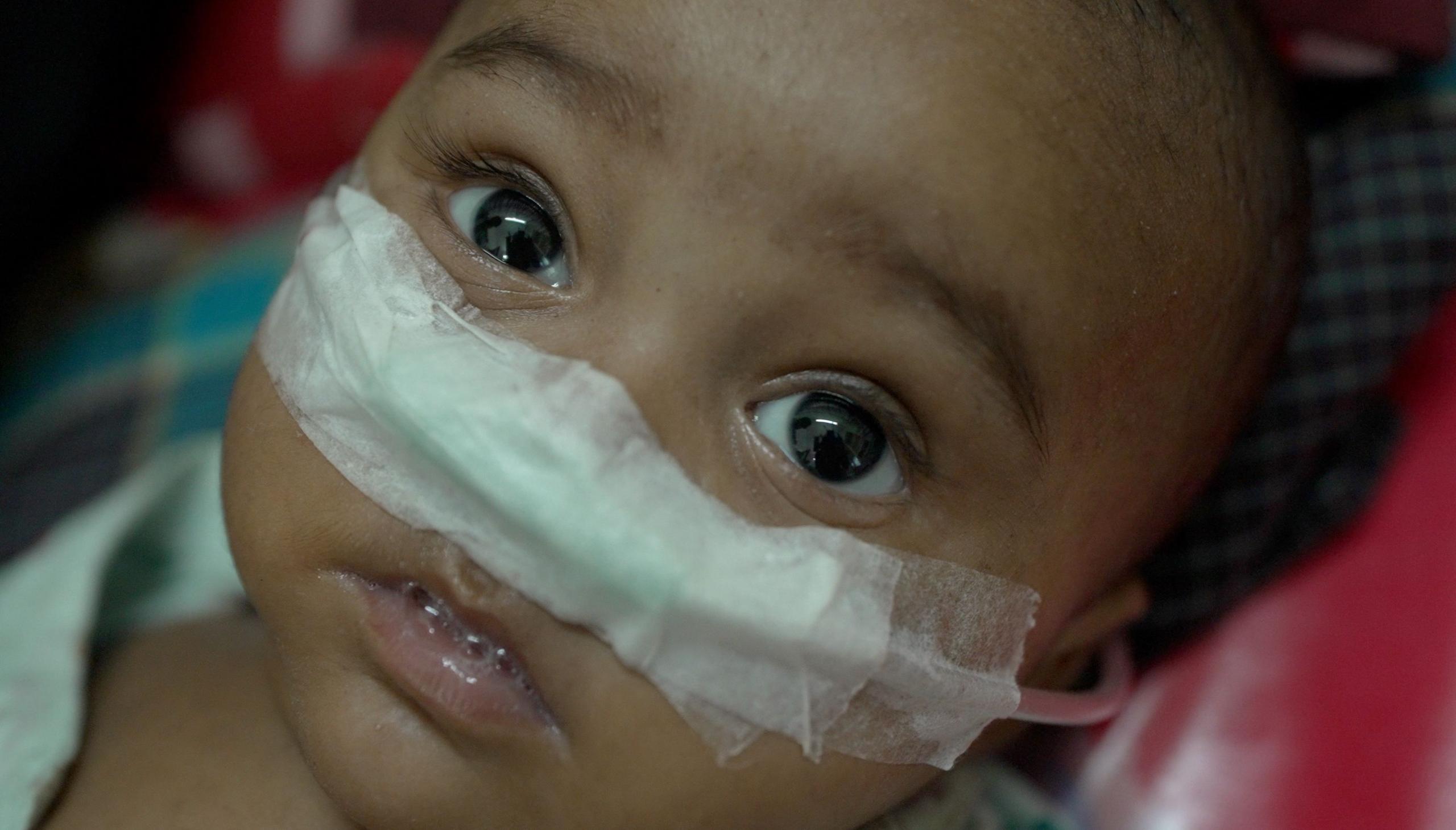
Families such as that of 10‑month‑old Maliha in a rural clinic illustrate the human toll. After a vaccine shortage forced her parents to seek care elsewhere, Maliha was hospitalized with pneumonia and a measles rash. Three days after discharge, the child died, underscoring the danger of gaps in vaccine coverage.
Similarly, baby Arafat, pictured in a hospital ward, waited 15 days in worsening conditions that did not improve his breathing. His father, Mohammad Alam Mia, has spent all his money and taken loans to cover care costs, only to lose his son to an avoidable disease.
Global Context
Bangladesh is not alone. The United Kingdom lost its elimination status earlier this year and the United States has seen a recent rise in measles cases. Both countries report children under five falling below the 95 percent vaccination threshold required for herd immunity.
These developments highlight the broader vulnerability of endemic disease control when routine immunisation is interrupted.