In brief
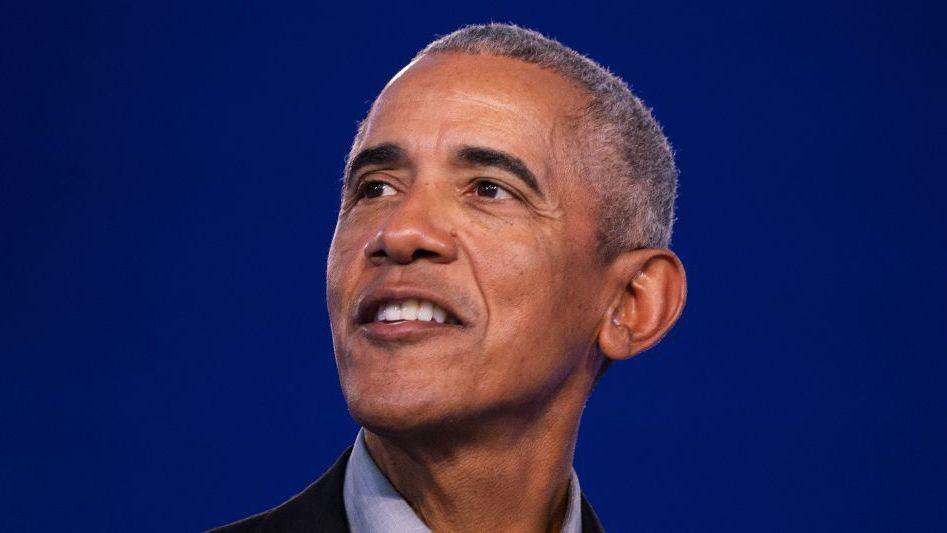
During a keynote at Scotland's OVO Hydro, Barack Obama addressed 12,150 listeners, stressing the necessity of hope amid online anger and fear. He warned that social media platforms increasingly spread content that fuels extremism, yet he argued this drift is not inevitable if governments impose responsible rules. Obama highlighted the role of AI in magnifying misinformation and called for new institutions that enable rigorous fact‑checking. He concluded that although global challenges are great, humanity’s capacity for change and tolerance remains vital.
Barack Obama told a Glasgow crowd of 12,150 that hope is worth fighting for even as the world faces unprecedented challenges.
During his address at the OVO Hydro, the former U.S. president warned that online platforms now focus largely on content that stokes anger and fear. He added that while social media can mobilise people for good, it can also amplify hate groups, saying, “It turns out that the reptilian side of our brain really gets attracted to anger, fear, resentment and the sense that someone is out to get you.”
Despite these risks, Obama argued that a drift toward extremism is not inevitable. He echoed post‑World War II lessons that democratic states must enforce rules to curb propaganda and misinformation, noting that the United States and Europe have “chosen to do that.”
He urged a “critical balance” between free speech and regulation, stressing that new institutions are needed to allow robust debate while ensuring facts are verified. Obama warned that unchecked information feeds disinformation and that AI could make differentiating truth from falsehood even harder, challenging democracy’s functioning.
In addition to technology concerns, the former president reflected on the past, citing Martin Luther King Jr.’s notion that the moral universe bends toward justice. He maintained that hope is an active choice, emphasizing that belief in change leads to gradual improvement.