In brief
The arrival of Public Domain Day in 2026 marks a significant cultural moment with the inclusion of beloved characters like Betty Boop and Blondie. After decades of copyright protections that have stifled creative reuse, artists now have the freedom to explore new contexts with these characters. This follows the recent entry of other iconic figures into the public domain and highlights the ongoing debate surrounding intellectual property rights and the balance of creativity.
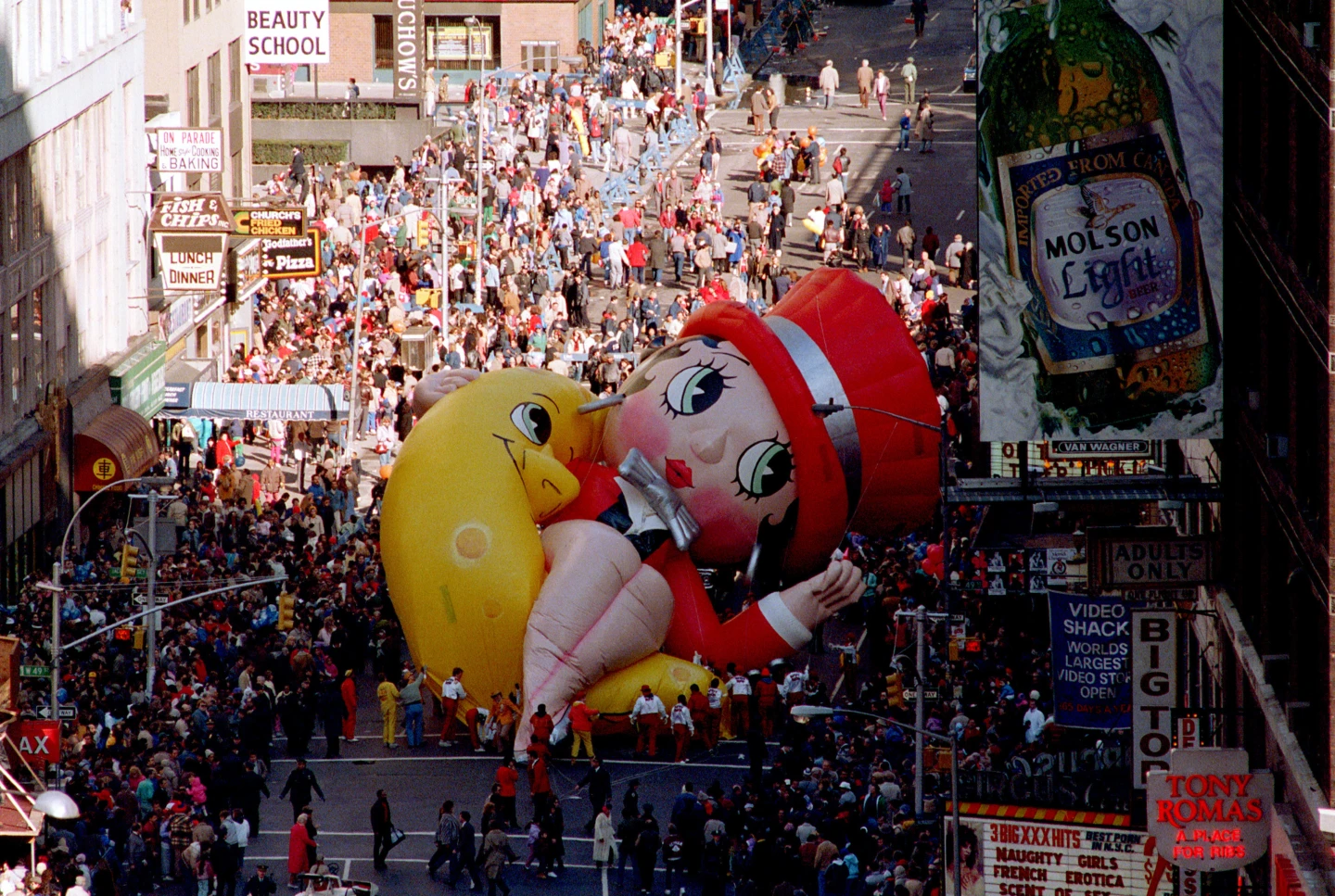
LOS ANGELES (AP) — Betty Boop and “Blondie” are set to join the public domain, with their first appearances becoming available for creative use starting January 1, 2026. This change means that creators can utilize and reimagine these characters without seeking permission or paying fees.
The inclusion of Betty Boop and Blondie is part of a broader pattern noted by intellectual property advocates, following a 20-year threshold of copyright challenges that concluded in 2019. Jennifer Jenkins, director of Duke University’s Center for the Study of the Public Domain, describes this year as monumental given the cultural recognition surrounding these characters. “It’s just the sheer familiarity of all this culture,” she shared.
This year's public domain collection may not steal headlines like the recent entries of Mickey Mouse and Winnie the Pooh, yet it highlights the fragility of intellectual property law and the door it opens for cultural innovation.
Each character's journey in popular media manifests significant growth and public fascination. Betty Boop, first seen in 1930's “Dizzy Dishes,” evolved from a supporting cast member to a cultural icon, influencing various media formats including merchandise. Interestingly, while the copyright may have expired, trademarks associated with these characters—like the one for Betty Boop—remain active, potentially influencing commercial adaptations.
In addition to Boop and Blondie, a slew of famous literary works featuring classic detectives like Nancy Drew, Sam Spade, and Miss Marple will also surface, alongside vintage films including classic Marx Brothers comedies and award-winning features. The transition of these works into public domain perpetuates the enriching dialogues on creative freedom, the role of copyright, and adaptive storytelling in the age of technology.