Four bodies found on Jeju, spotlighting police oversight crisis
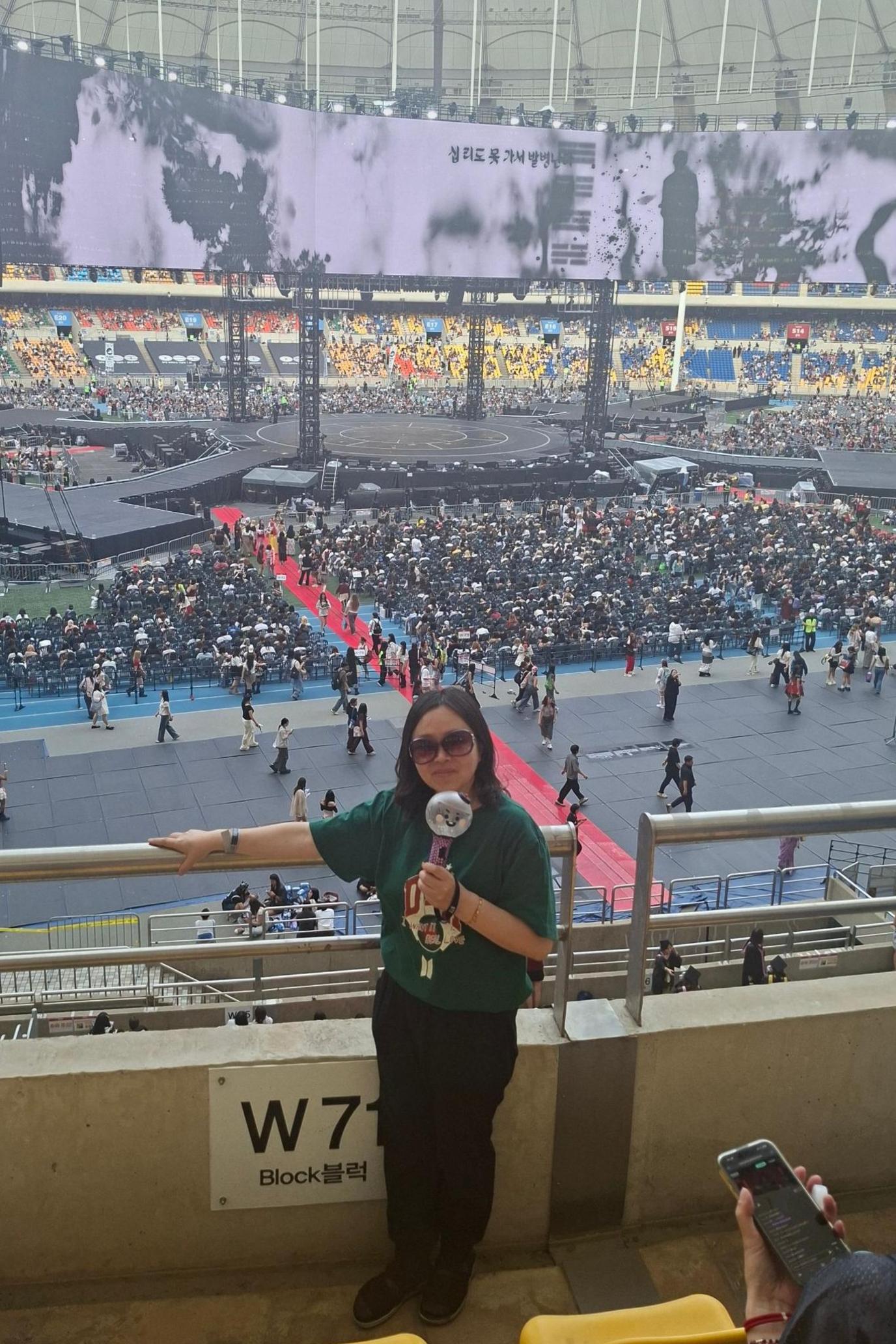
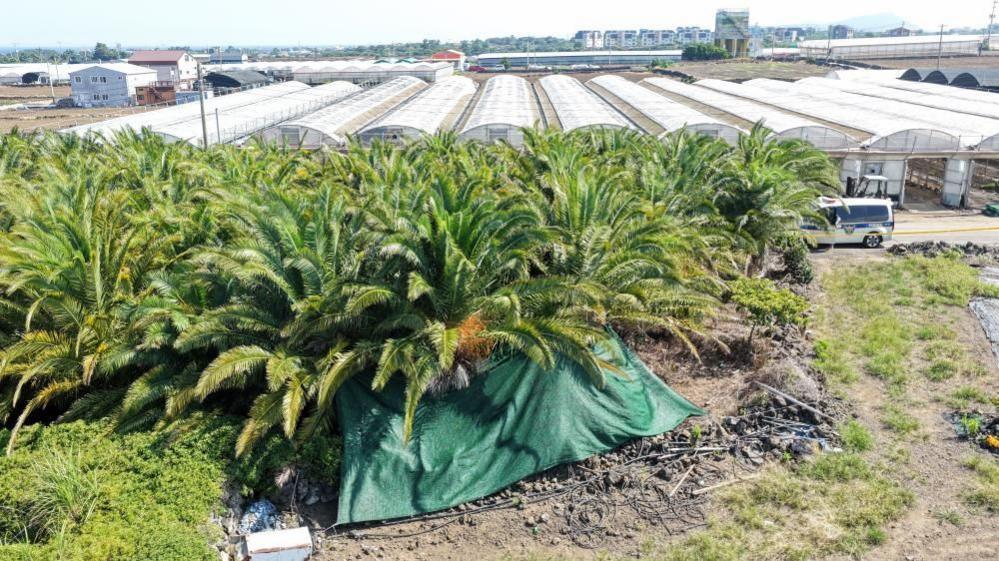
The search for a woman missing since May has yielded her body, 37‑year‑old Jang Mi‑ran, 500 metres from her holiday home. Police officials claim she died by suicide after an uncooperative boyfriend was misled about communication with her.
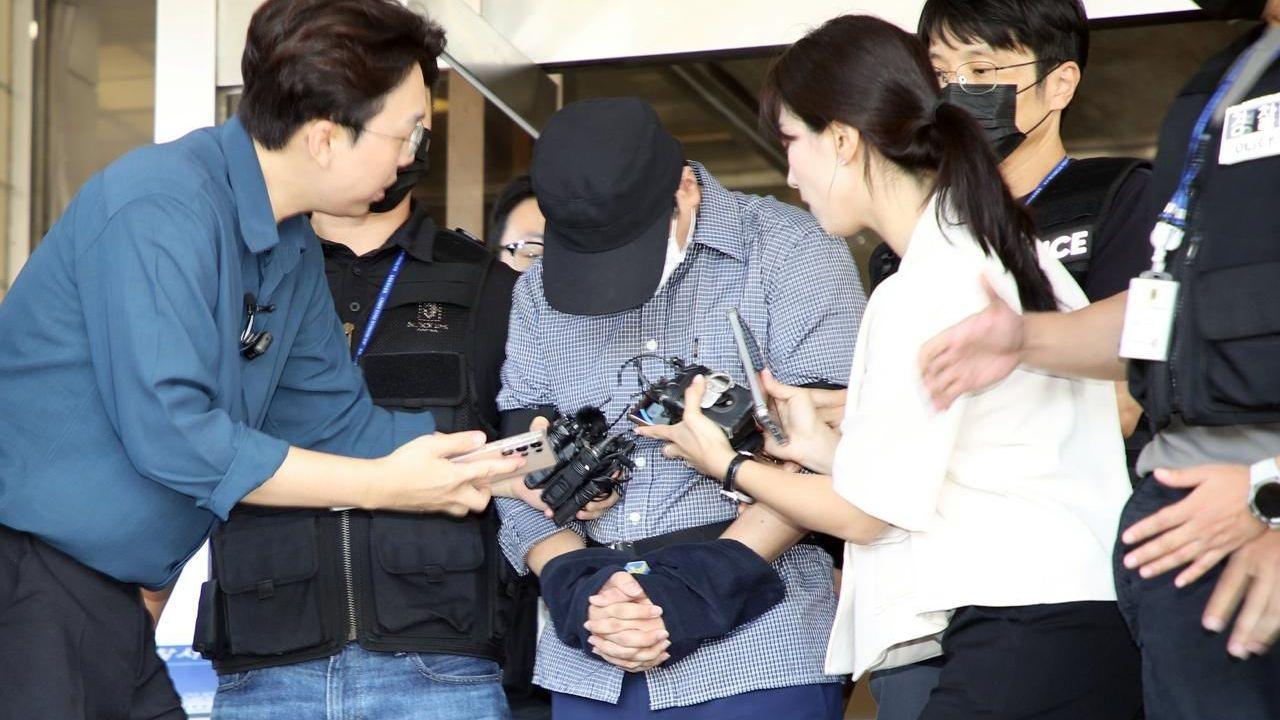
The discharge of Ser. Bu, charged with lying to families and closing cases prematurely, triggered the suspension of four officers in his command and an administrative leave for those reviewing his work.
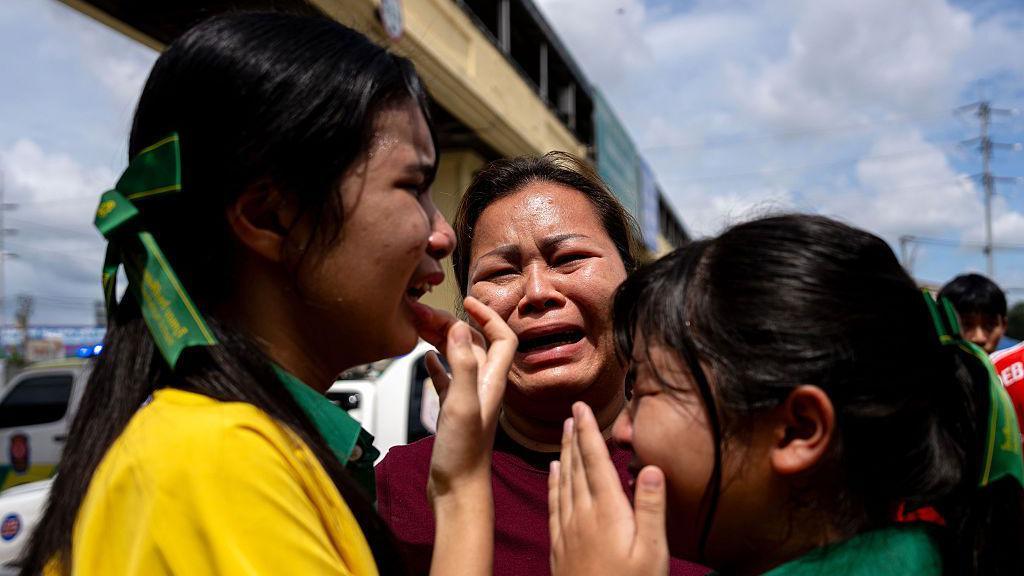
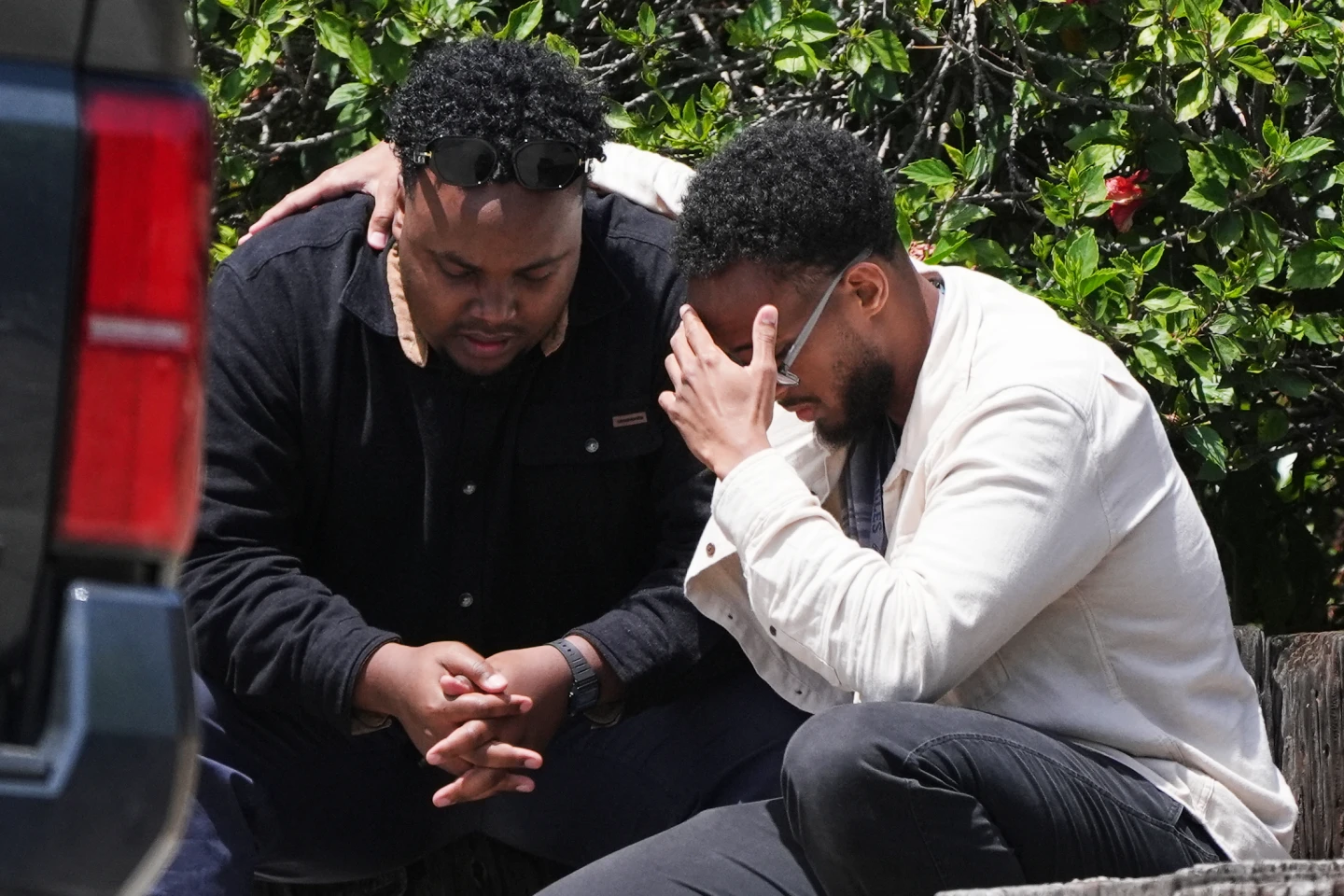
On Saturday, an elderly man from Jeju City was also found dead; his disappearance dated 28 June. The police had earlier announced him “safe,” a claim that proved false after his body was discovered. One son prompted, “We waited with hope...and only learned on his death.”
Investigations are underway to examine nearly 300 missing‑person reports managed by Ser. Bu. Jeju, a popular tourist enclave that welcomed 13 million visitors in 2025, remains a backdrop for many of these incidents.
Societal factors, such as high suicide rates and a perceived low crime environment, may contribute to insufficient regard for missing‑person cases. Professor Lee Yung‑hyeock of Konkuk University argued that officers often assume missing adults are found swiftly, thus underestimating the seriousness of each case.
President Lee, during a cabinet meeting, remarked that the police’s “breakdown in discipline and irresponsibility” has become a serious issue and questioned if the police warrant their power. The national chief of police, grilled by lawmakers, admitted a systemic fault.
Political sensitivities arise as recent reforms transferred investigative powers from prosecutors to police, intended to curb political influence. Yet public opinion remains adverse, with longstanding accusations of corruption and incompetence facing the police.
With reporting by Hosu Lee and Leehyun Choi in Seoul.