In brief
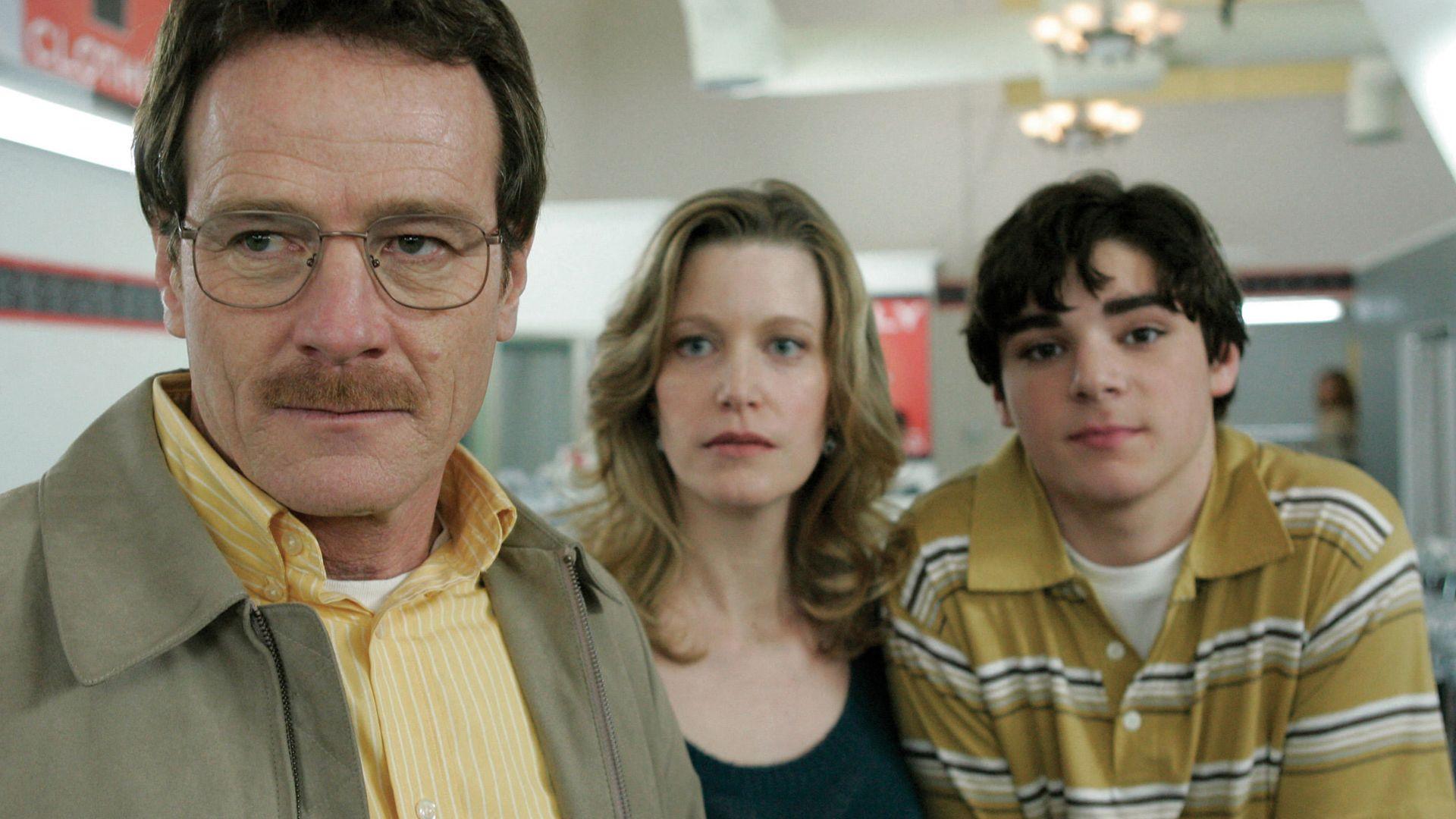
RJ Mitte, who portrayed Walter "Flynn" White Jr. in the Emmy‑winning series Breaking Bad, died in Brownsville Texas at 34. The actor, who lived with cerebral palsy, became a champion for disability representation and founded a charity to support others. Tributes poured in from co‑stars Bryan Cranston, Aaron Paul and Dean Norris, all of whom memorialised his talent and kindness. Mitte’s passing has sparked renewed conversations about mental health support for people with disabilities and the pressures of Hollywood fame. The entertainment industry mourns a talent whose work broadened the spectrum of on‑screen disabilities.
RJ Mitte, the actor best known for his role as Walter White Jr. in the hit drama series Breaking Bad, died in Brownsville Texas on Monday at the age of 34.
Mitte, who was diagnosed with cerebral palsy, used his own experience to bring authenticity to his character, a means by which he helped raise public awareness about the condition. Beyond his acting career, he was a passionate advocate for people with disabilities, serving as an ambassador for United Cerebral Palsy and the Shriners Children’s foundation. He also founded the Mitte Foundation to support community initiatives that break down stereotypes and promote greater representation for people with disabilities.
His passing elicited an outpouring of grief from the Breaking Bad cast. Bryan Cranston described the loss as “deep despair,” Aaron Paul wrote that he “will be missed,” and Dean Norris called him a “sweetheart.” All noted how Mitte’s presence on set was uplifting. The scene in which MCC audiences in Shanin Langer a foot assembly was part of an influence of people, not only a deadly circuits, created a sense of vulnerability.
Beyond the entertainment community, Mitte’s death has reignited discussions about mental‑health support, especially for actors and others who live with chronic conditions. Media outlets point to the importance of accessible resources and the need for open conversation to prevent such tragedies. MP reported by the BBC that his representative insisted that the actor’s death was a suicide, indicating the weight of mental health care. The industry is urged to adapt and to address the emotional burden that can accompany stardom and public visibility.
As the world mourns his loss, his legacy endures through his performances, his advocacy, and the charitable work he started. His work helped reshape how people with disabled bodies are represented on screen, and his voice will continue to influence future generations of actors and audiences alike.