In brief
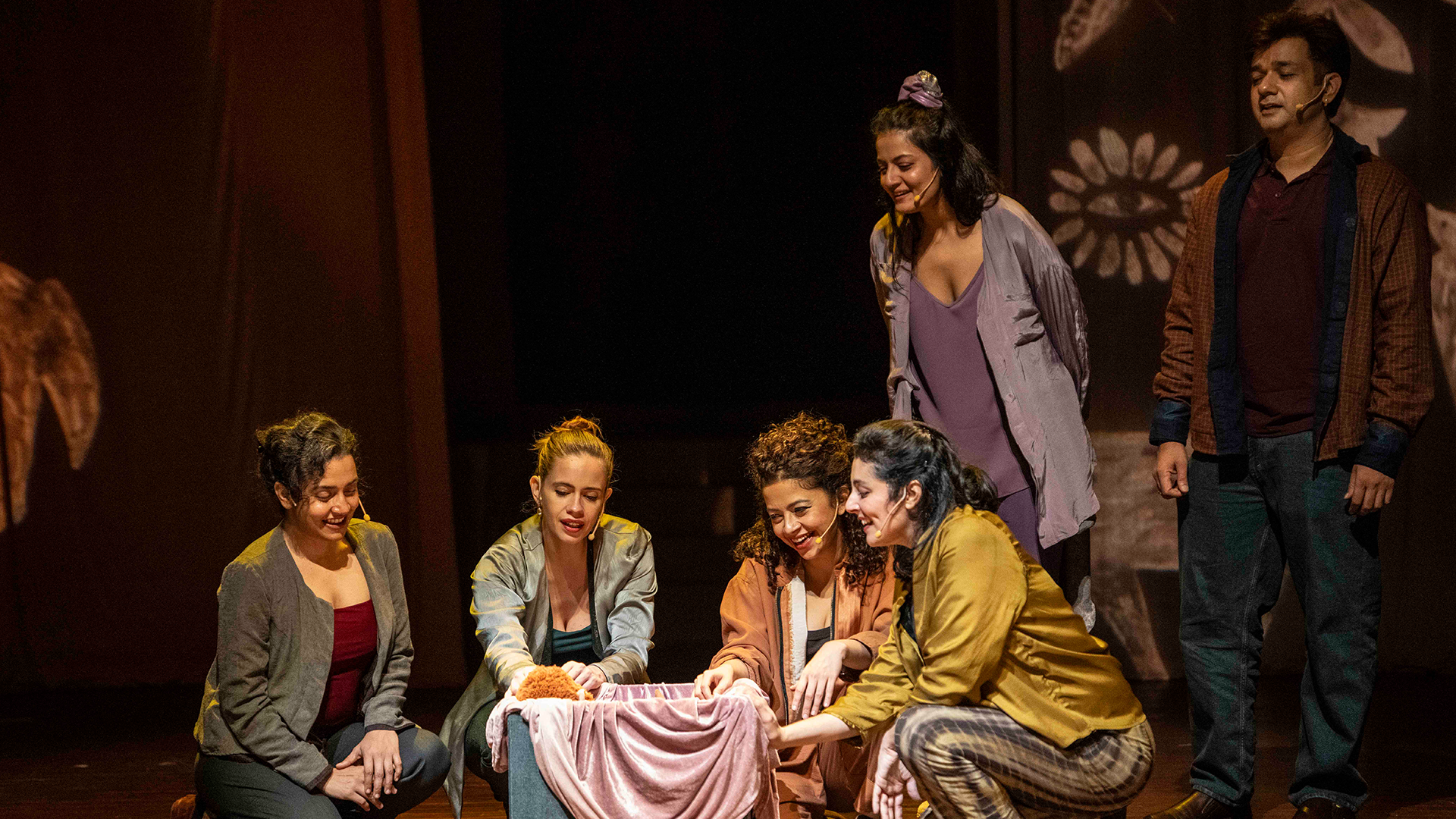
Bollywood actress Kalki Koechlin has turned her own pregnancy and postpartum experiences into the stage play "Belly of the Beast", co‑directed with Sheena Khalid. Adapted from her 2021 book, the two‑hour show follows five women across the spectrum of motherhood – from pregnancy and labour to early childcare – and confronts topics that are normally silenced, including miscarriage, abortion, post‑partum depression and the relentless pressure for women to be the perfect caregiver. In India, where motherhood is largely seen as a societal duty, the play offers a fresh, unvarnished view that rings true for many women and sparks conversation about the hidden costs of domestic responsibility. Audience response to the raw honesty of the performance has been overwhelmingly positive, suggesting the narrative has struck a chord with both performers and spectators.
A new stage production by actress Kalki Koëchlin and director Sheena Khalid, Belly of the Beast, rips open the cultural myth that motherhood is all joy, exposing the messy, exhausting, and sometimes heartbreaking realities that many Indian women face.
The play is adapted from Koëchlin’s 2021 book, The Elephant in the Womb, which she wrote just months after giving birth. It follows five women at different stages of motherhood – from the pre‑birth anxieties of pregnancy to the sleepless nights of early childcare – and confronts topics commonly left unspoken: miscarriage, abortion, post‑partum depression and the relentless urge to be an exemplary mother.
In a culture where the stakes of marriage and motherhood are viewed as sacred duty, Belly of the Beast offers a welcome counter‑narrative. Koëchlin says women "are rarely allowed to express the dark feelings – the difficulties they face, the hormonal changes, the loss of identity or postpartum depression." The play brings her personal experience out into the open, tapping into a universality many mothers share.
Premiered in Delhi, the two‑hour‑ten‑minute piece received a standing ovation. Despite tackling heavy themes, audiences praised its pacing and moments of levity, which the creators argue are essential to navigate the intensity of the subject matter.
The narrative also highlights the societal double‑standard of domestic responsibility. A Times of India study notes that childcare and housekeeping keep around 69% of women out of the Labour Force in Indian cities – a figure that stands in stark contrast to men, who are affected by only 1%. Koëchlin emphasizes the pressure on mothers who choose to work, describing a "super‑mum" expectation that is often unrelenting.
The play’s most powerful theme is miscarriage. In a country with one of the highest rates of stillbirth, the narrative gives voice to the pain and silence that follow. Actress Shruti Vyas, who plays a character who has experienced a miscarriage, shares that the public response is often of the form "you look fine," a comment that only amplifies the hidden grief. Her character’s evolution from dismissing her pain to openly acknowledging it resonates strongly with audiences.
Through humor and hard truths, Belly of the Beast invites viewers to reconsider the unseen burdens of motherhood, offering a platform where women can see their struggles reflected and validated.