In brief
A shooting incident in Mumbai’s Juhu neighbourhood saw Tiger Shroff, his driver and a vlogger wounded, raising alarm over the city’s ongoing gangster presence. Police have linked the attack to a network that claims ties to actor Salman Khan and gang leader Lawrence Bishnoi, a figure who has dominated headlines since the 1990s. The case echoes earlier attacks on Bollywood luminaries, but also highlights a new era where social media fuels gangsters’ self‑branding rather than films. The investigation, still underway, underscores the challenge of proving the role of organised crime in the film industry’s financial and security structures. The incident invites questions about whether Mumbai’s underworld is regaining its grip or merely exploiting modern communication channels.
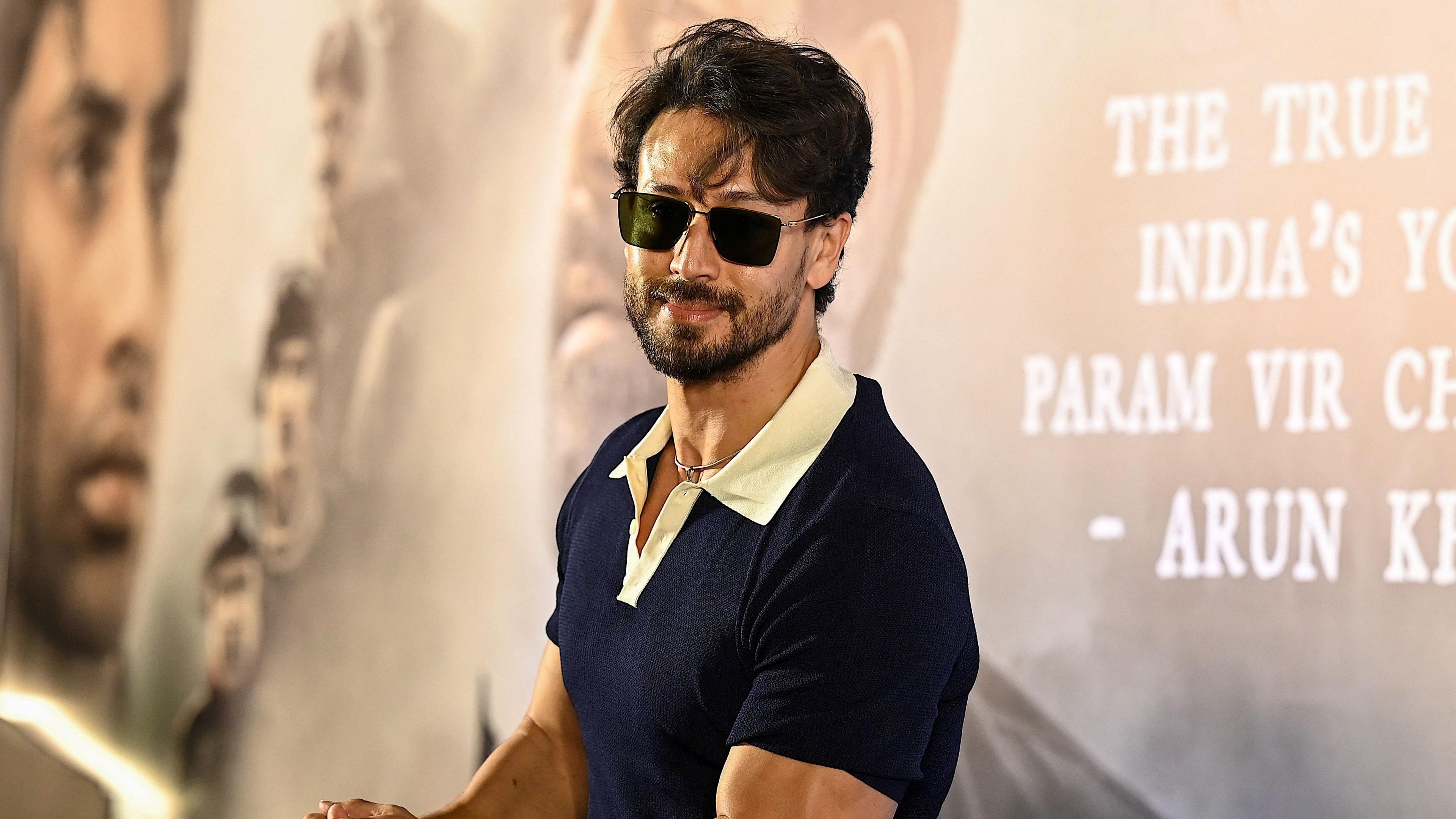
On Sunday evening a shooting in the affluent Juhu area of Mumbai left Bollywood actor Tiger Shroff, his driver and an Iron‑man‑style vlogger injured. The 36‑year‑old, who has a reputation for high‑octane stunts, was reportedly unhurt after the attack, but the incident is now a focal point for discussions about organised crime in India.
The police investigation has identified and arrested 10 suspects, tracing the flow of weapons and payments across multiple states. The case also reignites attention on gangster Lawrence Bishnoi, who has issued threats against Salman Khan and emerged in a claim of responsibility that circulated on social media.
Several high‑profile Bollywood figures have been targeted in recent years – a gunfire raid on Salman Khan’s home in 2024, an attempt on the life of filmmaker Rohit Shetty and the murder of political associate Baba Siddique. Each event has awakened memories of a period when Mumbai’s underworld wielded direct influence over the industry, financing films, demanding protection money and at times threatening the creative process with violence.
Former Mumbai Crime Branch chief DSivanandhan reflects that the old Mafia of the 1990s and early 2000s was territorial and visible, while the present network is dispersed, tech‑savvy, and operates from abroad, a view echoed by ex‑Chief Commissioner Rakesh Maria.
Nonetheless, the present attacks do not show a revival of financial control over Bollywood. Instead, the focus is on the psychological impact—a single shooting, amplified across millions of screens, can create widespread fear beyond the intended target. The phenomenon highlights a shift in power where social media, not cinema, constructs the myth of the gangster.
Despite intensified security measures for top industry figures, the case illustrates that even the most robust protection encounters cracks. Police alleged that the alleged conspiracy behind Shroff’s shooting may stem from a dispute over Salman Khan’s alleged connections to gangsters, but conclusive evidence still eludes investigators.
The incident has prompted calls from the All Indian Cine Workers Association for further protective measures, stressing the need to safeguard those involved in the film industry from residual crime networks.