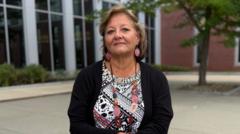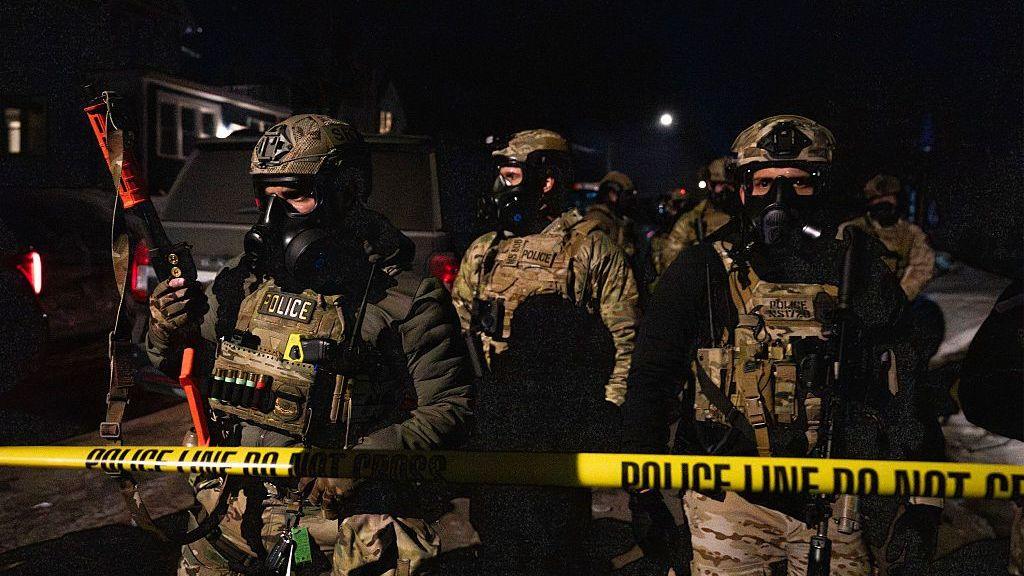
As helicopters circled overhead, sirens descended on her suburb, and people ran screaming down her street on December 14, Mary felt a grim sense of deja vu. 'That was when I knew there was something seriously wrong – again,' she says, her eyes brimming with tears.
Mary was at the Westfield Bondi Junction shopping centre in April last year when six people were stabbed to death by a man in psychosis, a tragedy still fresh in the minds of many. This week, the findings from a coroner's inquest into the incident were due to be delivered, but were delayed after two gunmen unleashed a hail of bullets on an event marking the start of the Jewish festival of Hanukkah, killing 15 people, including a 10-year-old girl.
'You just wouldn't even fathom that something like this would happen,' Mary tells BBC, emphasizing how Australia is perceived as a safe place. Yet, two horrific tragedies in the same community within 18 months have shattered that perception.
The aftermath of the Hanukkah attack left a deep impact not only on the Jewish community but also on the fabric of Australian society, highlighting concerns over increasing antisemitism. Bondi's trauma resonates deeply as many residents reveal their connections with victims and express fears of ongoing threats.
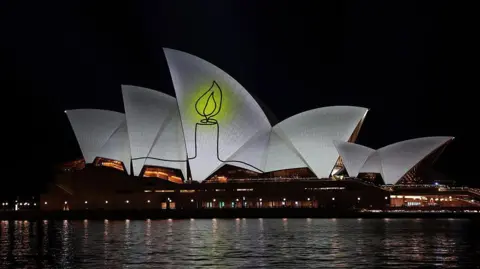
In wake of these events, community support has surged, with locals uniting in remembrance of the victims. A national day of reflection saw people leaving flowers and messages, while lifeguards risked their lives to help those in danger.
As the community grapples with grief and anger, questions arise about preventative measures in Australia and how the response to rising hate actions can be effectively mobilized. Amidst the pain, there is also a strong resolve amongst residents to stand resilient and promote unity and love over hatred.