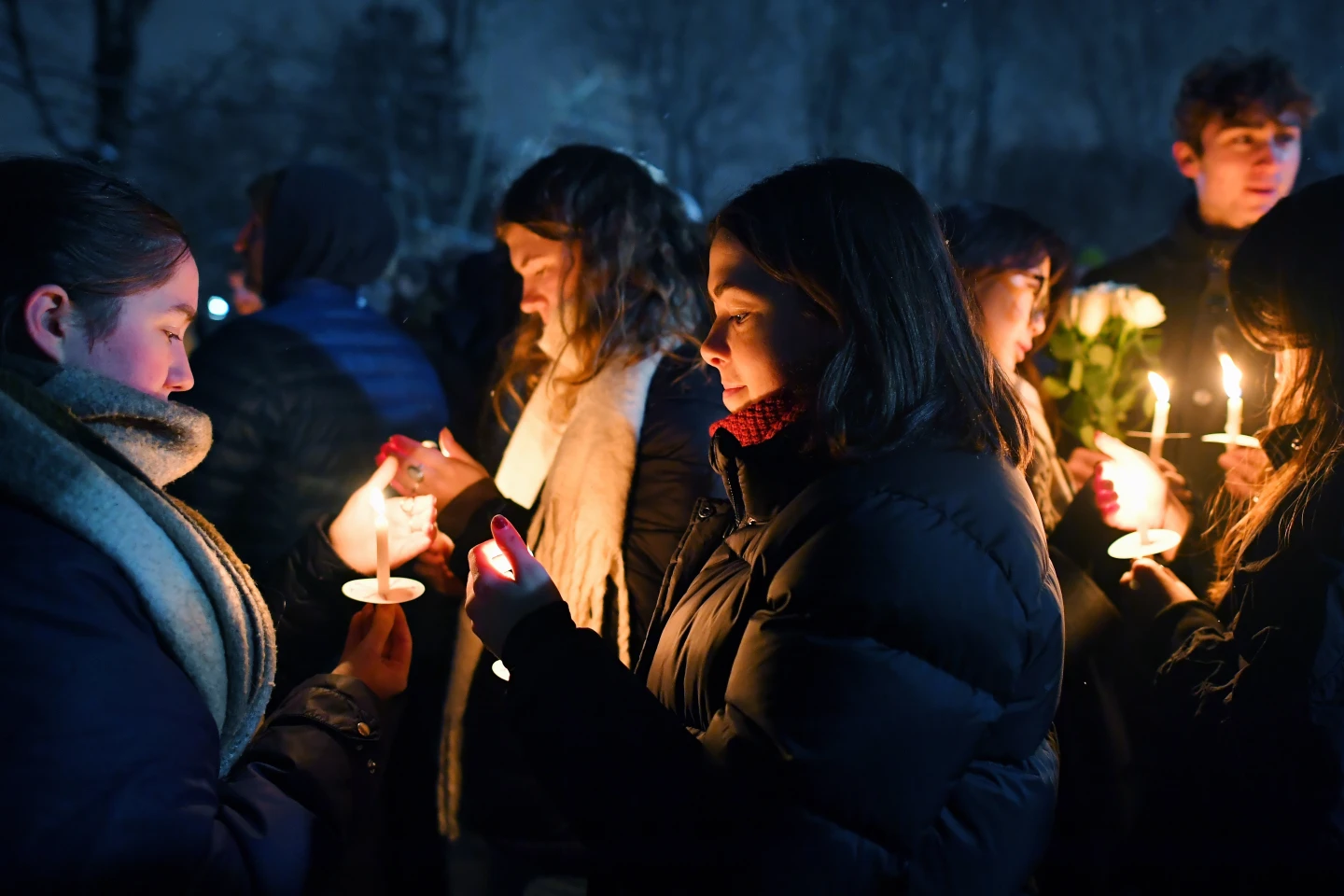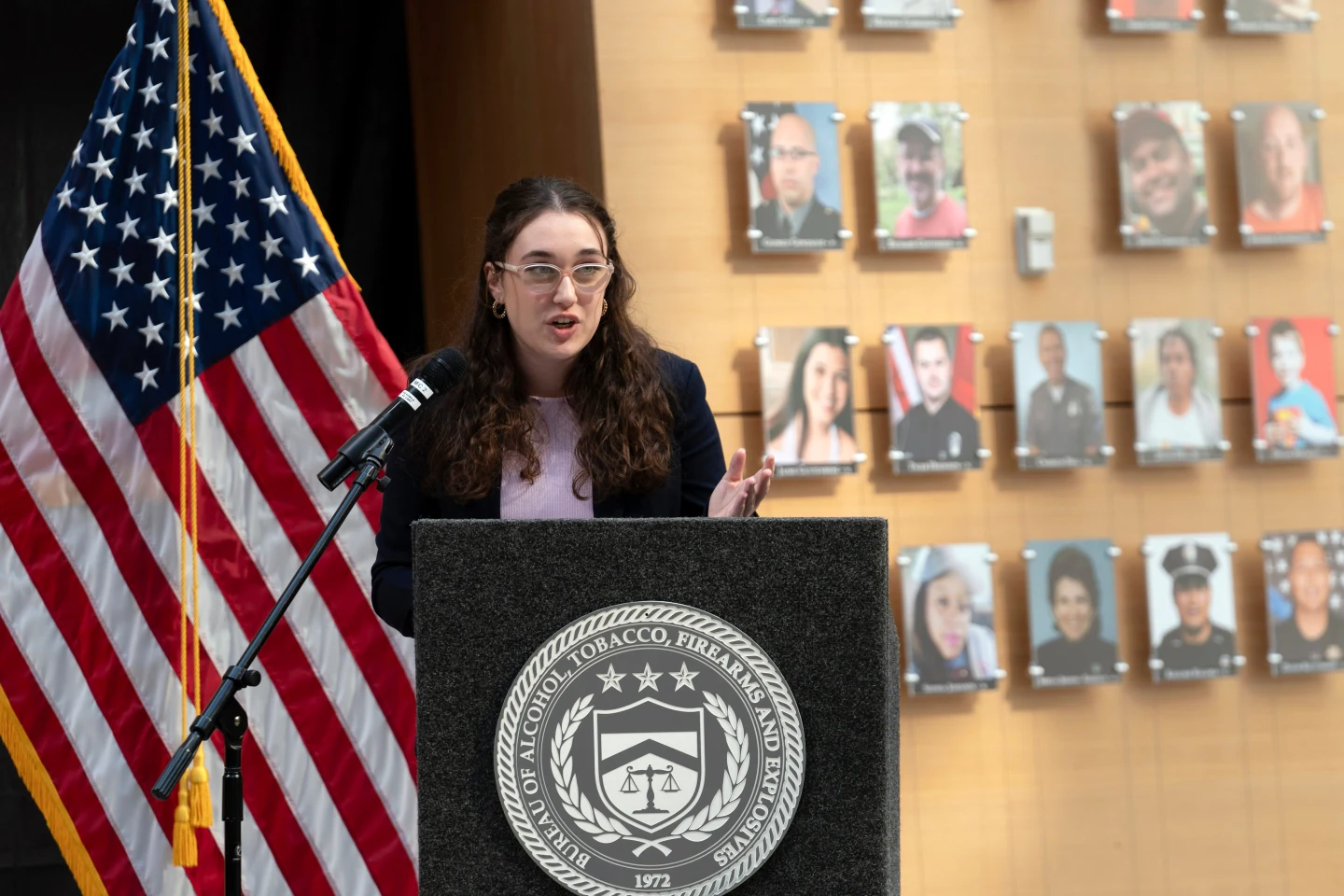
Mia Tretta, a junior at Brown University and survivor of the 2019 mass shooting at Saugus High School, was shaken to receive an emergency alert during finals week. The alert warned of danger at the university’s engineering building, raising her fears of another shooting.
As details emerged of the shooting in Providence, Rhode Island, that claimed two lives and injured nine others, Tretta reflected on her past experience with gun violence. “No one should ever have to go through one shooting, let alone two,” she lamented. “I never thought this would happen again.” The shooting at Brown, an institution she believed would offer her a sense of safety, shattered that illusion.
This incident mirrors a broader trend of violence affecting students across the U.S., with many, like Tretta, facing similar traumas. Survivors from previous shootings, including those from the 2018 Parkland shooting, continue to encounter gun violence at different stages in their education. Such repeated exposure raises significant concerns about mental health and safety among students.
Responding to the unfolding tragedy, fellow students and political figures expressed their fears and solidarity. For instance, Louisville’s Mayor Craig Greenberg shared relief when he confirmed his son was safe after barricading himself during the scare.
Tretta has long been an advocate for stricter gun control, focusing on particular weapon types like 'ghost guns.' After her shooting experience, she has met with officials, including former President Joe Biden and Attorney General Merrick Garland, advocating for policies aimed at reducing gun violence.
As she worked on her educational paper regarding the experiences of students living through gun violence, the realization struck her that her quest for a safe and normal environment was disrupted yet again. “I chose Brown because it felt like somewhere I could finally be safe in this new normal of being a school shooting survivor,” she expressed, emphasizing the urgent need for change.