In brief
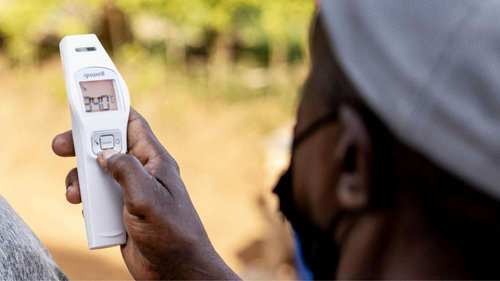
Heatwaves in the Horn of Africa and North Africa are imposing unprecedented stress on dromedary camels, animals once celebrated as the "ships of the desert." Across Ethiopia’s Afar region, herders report blisters, dehydration, and calf mortality, while researchers have linked high temperatures to increased disease and reduced milk yield. Studies in Somalia and Algeria show winter‑free periods exceeding 50 °C and a dramatic rise in camel deaths, prompting herders to relocate or abandon traditional pastoral practices. Veterinary and agricultural scientists warn that ongoing climate shocks, compounded by water scarcity and loss of vegetation, threaten the viability of camel herding for communities dependent on them. The need for targeted interventions such as shade provision, supplemental feeding, and enhanced disease monitoring is urgently highlighted by the World Meteorological Organization and regional experts.
Camels Face Heat Stress Across Africa
In Ethiopia’s Afar region and across North Africa, nomadic herders are witnessing a new crisis: extreme heat is pushing dromedary camels beyond their historical limits of resilience.
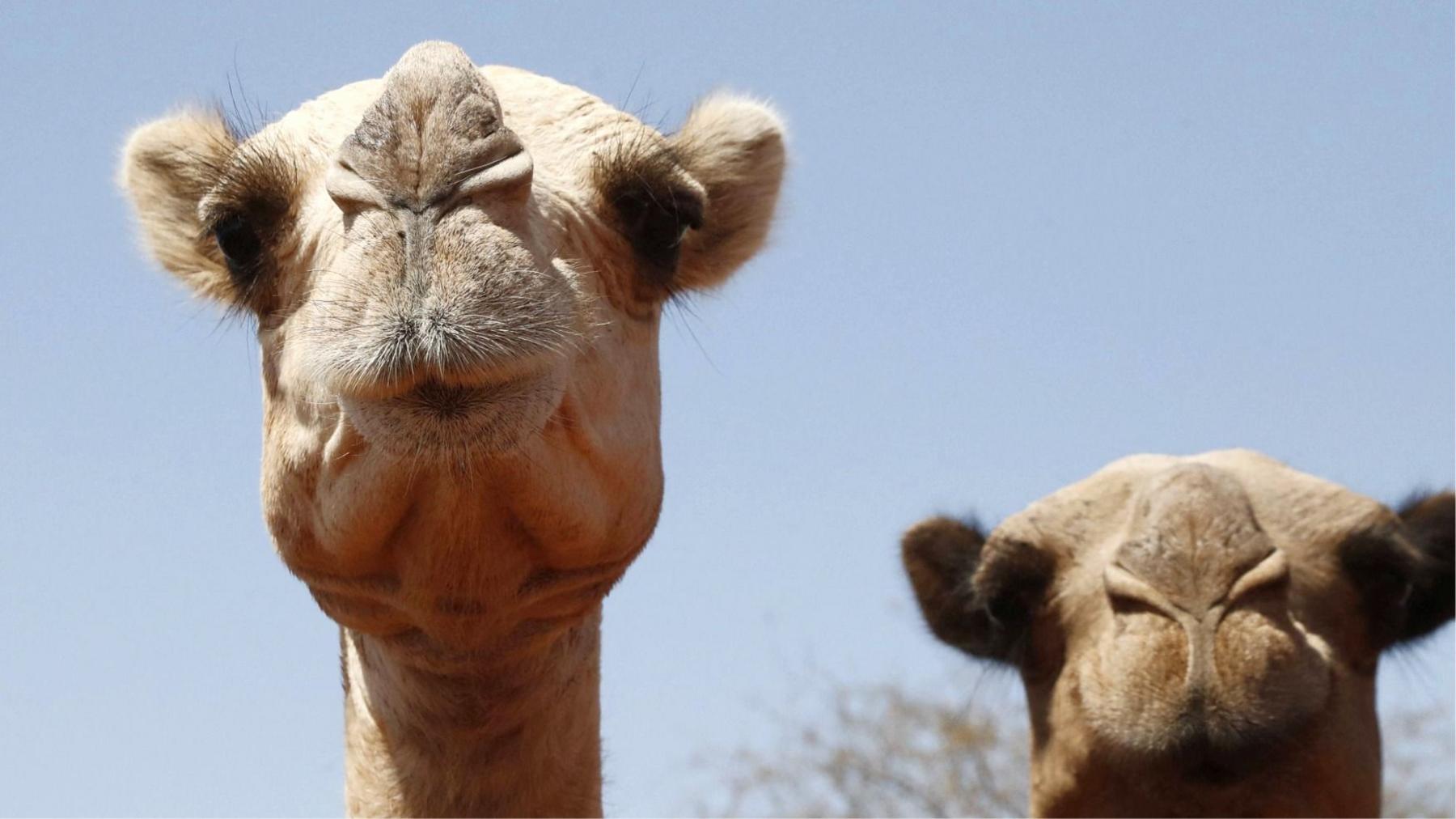
Ali Umer, a 40‑year‑old herder who owns about 500 camels, says he has lost eight calf heads in a month of record‑breaking heat. He notes blistered feet and watery eyes as his animals struggle to cope with temperatures that once allowed the desert beast to “battle heat up to 40 °C.”
Scientific studies confirm his observations: a 2025 survey of southern Ethiopian camel herders linked climate variability to reduced herd health, productivity, and fertility. In Somalia, a 2026 study found drought‑related camel mortality in nearly 46% of camel‑owning households, with northern regions reporting an alarming 73% loss.
The World Meteorological Organization reports a steep rise in heatwaves, with temperatures above 50 °C recorded in several North African countries in 2024, and a 0.43 °C per decade rise between 1991 and 2025 in the region.
Impacts of extreme heat on camels include hyperthermia, weakened immune systems, reduced food intake, lower milk yields, and reproductive disorders. Experts note that while camels stride thermoregulation by allowing body temperature to fluctuate and minimizing sweating, temperatures above their comfort threshold, combined with water scarcity and loss of shade, unleash physiological stress.
Veterinary officer Hassan Nuya Guyo reports a 15% rise in camel deaths in Marsabit county, Kenya, over the past two years due to extreme heat. He highlights a surge in hyperthermia and secondary infections.
Renamed as “climate victims,” the highly adaptable camels are now facing a newfound vulnerability that threatens the survival of pastoral communities across Ethiopia, Somalia, Kenya, Algeria, and Morocco.