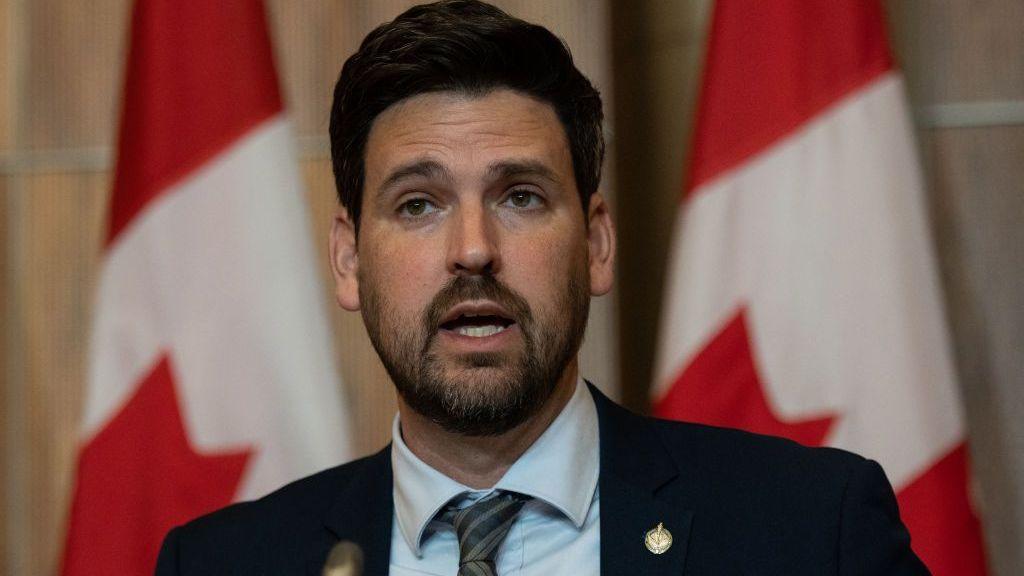
Canada has announced it will indefinitely suspend its plans to widen the medically assisted‑dying law to include individuals whose sole condition is mental illness. The decision, made by Justice Minister Sean Fraser, comes after a parliamentary panel’s earlier recommendation against such an expansion, citing a lack of consensus on eligibility criteria.
Supporters of the extension contend that excluding people with mental illness violates their constitutional rights and denies them a legally sanctioned path to relieve irreversible suffering. They argue that a clear legal framework is crucial to safeguarding autonomy and ensuring that those who truly wish to pursue assisted dying can do so safely.
Opponents, including many disability advocacy groups, caution that broadened access could pressure vulnerable individuals into making hasty or coerced decisions, especially in the absence of robust safeguards and informed consent processes. They point to past instances where assisted dying was offered to people with disabilities who had not independently requested it.
The Canadian courts are currently reviewing a federal case that challenges the earlier decision to postpone access for patients with mental illness. The pending litigation highlights the ongoing legal confusion surrounding the intersections of mental health, capacity, and end‑of‑life choices.
Looking ahead, the government has indicated it will propose new legislation to explicitly suspend the planned expansion until clearer guidelines are established. That legislation will also aim to allow patients with progressing incurable illnesses to make advanced requests for assisted dying, a provision that is not yet legal.
For individuals seeking support, the Canadian Suicide Crisis Helpline can be reached at 988, while the BBC’s Action Line offers resources for those feeling despair or suicidal thoughts.