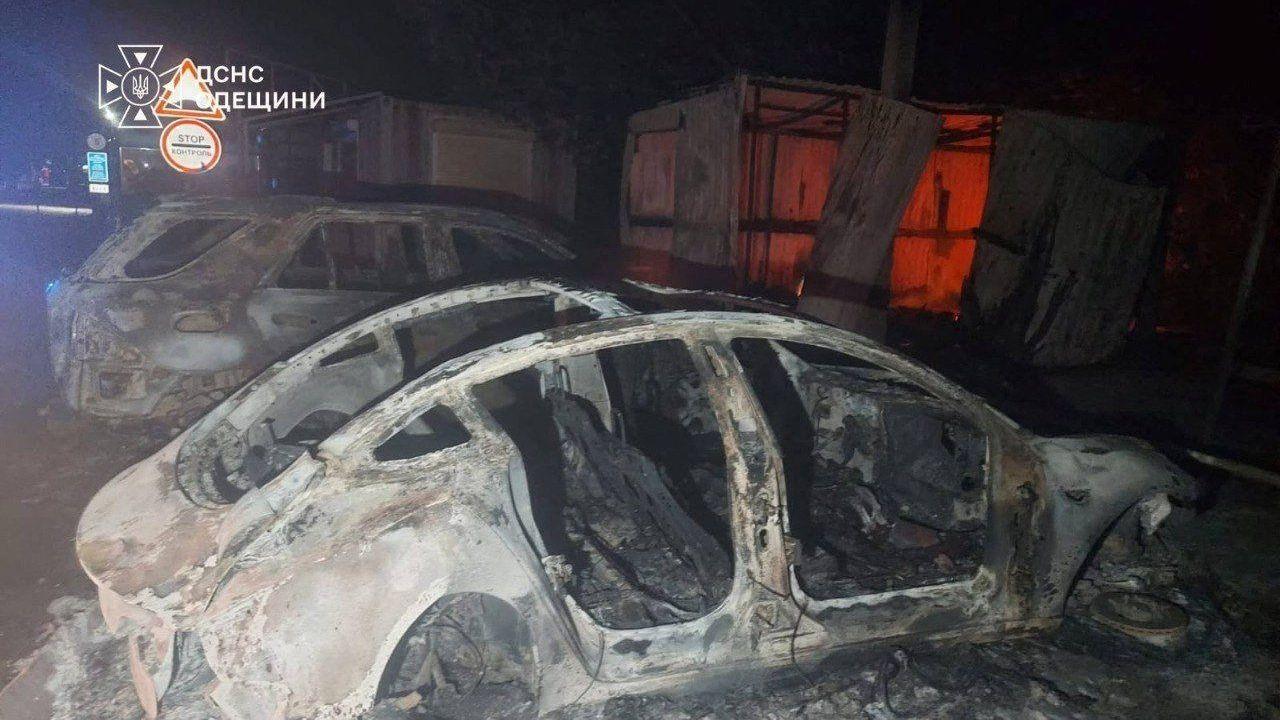
A Russian general has been killed in a car bombing in Moscow, officials have said.
Russia's Investigative Committee stated that Lt Gen Fanil Sarvarov died on Monday morning after an explosive device placed under his car detonated. This marks the third military official to be killed in bomb-related attacks in the Russian capital in the past year.
Sarvarov, 56, served as the head of the armed forces' operational training department. The committee indicated that one avenue of investigation includes the possibility that the bomb was planted with the involvement of Ukrainian intelligence services, although Ukraine has not commented on the incident.
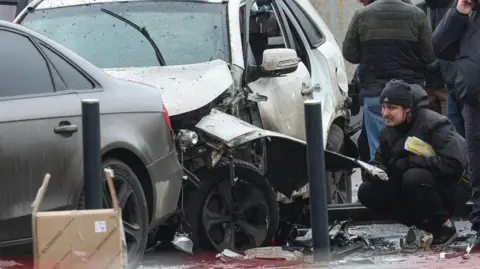
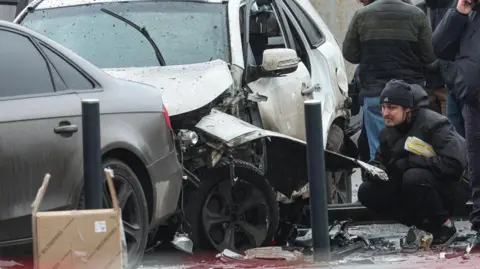
Following the attack, Sarvarov succumbed to his injuries in a hospital, prompting the committee to open an inquiry into charges of murder and illegal trafficking of explosives. Investigators were dispatched to the scene, which was located in a car park near an apartment complex in southern Moscow.
The explosion damaged a white Kia Sorento, which had its doors blown off and was surrounded by other vehicles.
According to Russian media sources, Sarvarov had previously participated in combat during the Ossetian-Ingush conflict and the Chechen wars in the 1990s and early 2000s, leading operations in Syria between 2015 and 2016.
Vladimir Putin has been informed of Sarvarov's death, according to Kremlin spokesman Dmitry Peskov. The targeting of military officials and high-profile figures has escalated since Russia began its large-scale invasion of Ukraine in February 2022.
Notably, Darya Dugina, the daughter of a prominent nationalist figure and ally of Putin, was killed in a suspected car bombing in 2022. Additionally, Gen Yaroslav Moskalik was killed in a similar car bomb attack in April, and Gen Igor Kirillov died in December 2024 when a hidden device was remotely detonated.
While a Ukrainian source claimed Kirillov's death was orchestrated by Ukraine's security service, this remains unconfirmed, as Ukraine generally refrains from publicly acknowledging responsibility for targeted operations.