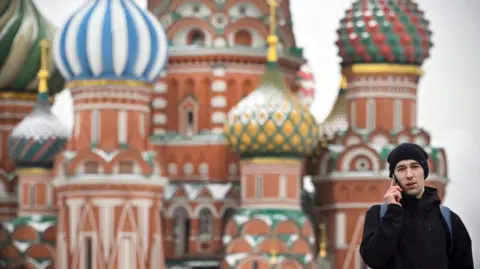
Russia has attempted to fully block WhatsApp, the company announced, as the Kremlin intensifies its crackdown on messaging platforms. Meta-owned WhatsApp stated the blockade aims to redirect over 100 million users in Russia to a state-owned surveillance app, which has raised significant privacy concerns.
This move follows additional restrictions placed on Telegram, which has a user base similar to that of WhatsApp in Russia, compounded by allegations of security issues with Telegram.
In a statement released by WhatsApp, the company expressed concern that isolating millions of users from private communications represents a detrimental step toward reducing safety for individuals in Russia. The statement emphasized, We continue to do everything we can to keep users connected.
Russian authorities, represented by the communications regulator Roskomnadzor, have repeatedly warned WhatsApp to comply with local laws, with reports suggesting that a permanent ban on the app is anticipated in 2026.
Andrei Svintsov, a Russian official, defended the move by stating that such harsh measures are absolutely justified as Russia has labeled Meta as an extremist organization.
Soon after this designation, Meta's applications, including Instagram and Facebook, were blocked in Russia, accessible only via VPN.
Moscow has pushed its citizens towards a state-developed communications platform called Max, which, unlike WhatsApp, is designed to centralize messaging and government services. However, the app lacks encryption, raising further concerns about privacy and user security.
Similar tactics have been observed with other nations, including Iran, which aimed to force citizens toward state-controlled communication alternatives. Telegram's CEO, Pavel Durov, criticized such restrictions, advocating that limiting citizens' freedoms is an inappropriate solution.