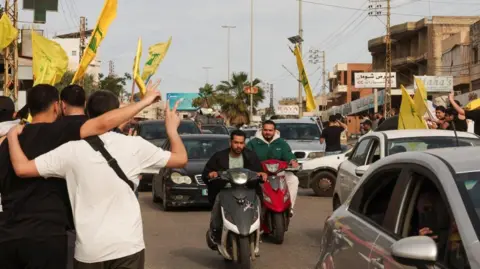
At the stroke of midnight, celebratory gunfire and fireworks marked the commencement of a ceasefire in Beirut. Cheerful crowds congregated along routes leading to southern Lebanon, the stronghold of Hezbollah, playing revolutionary music and waving yellow flags as they returned to locations from which they had previously fled due to war.
This ceasefire, expected to last for 10 days, arrives after six weeks of intense conflict between Israel and Hezbollah, the Lebanese Shia militia and political faction. While this agreement offers a momentary relief for a nation battered by the war, the underlying humanitarian crisis persists.
According to Lebanese health authorities, over 2,100 individuals have died, with more than a million—around one-fifth of the population—displaced, triggering an urgent humanitarian emergency.
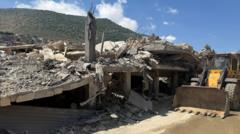
Returning families, many with homemade makeshift shelters piled atop cars, suggest mobility; however, numerous individuals are hesitant about relocating permanently. In various areas, extensive damage is evident, with some towns near the border still under Israeli occupation.
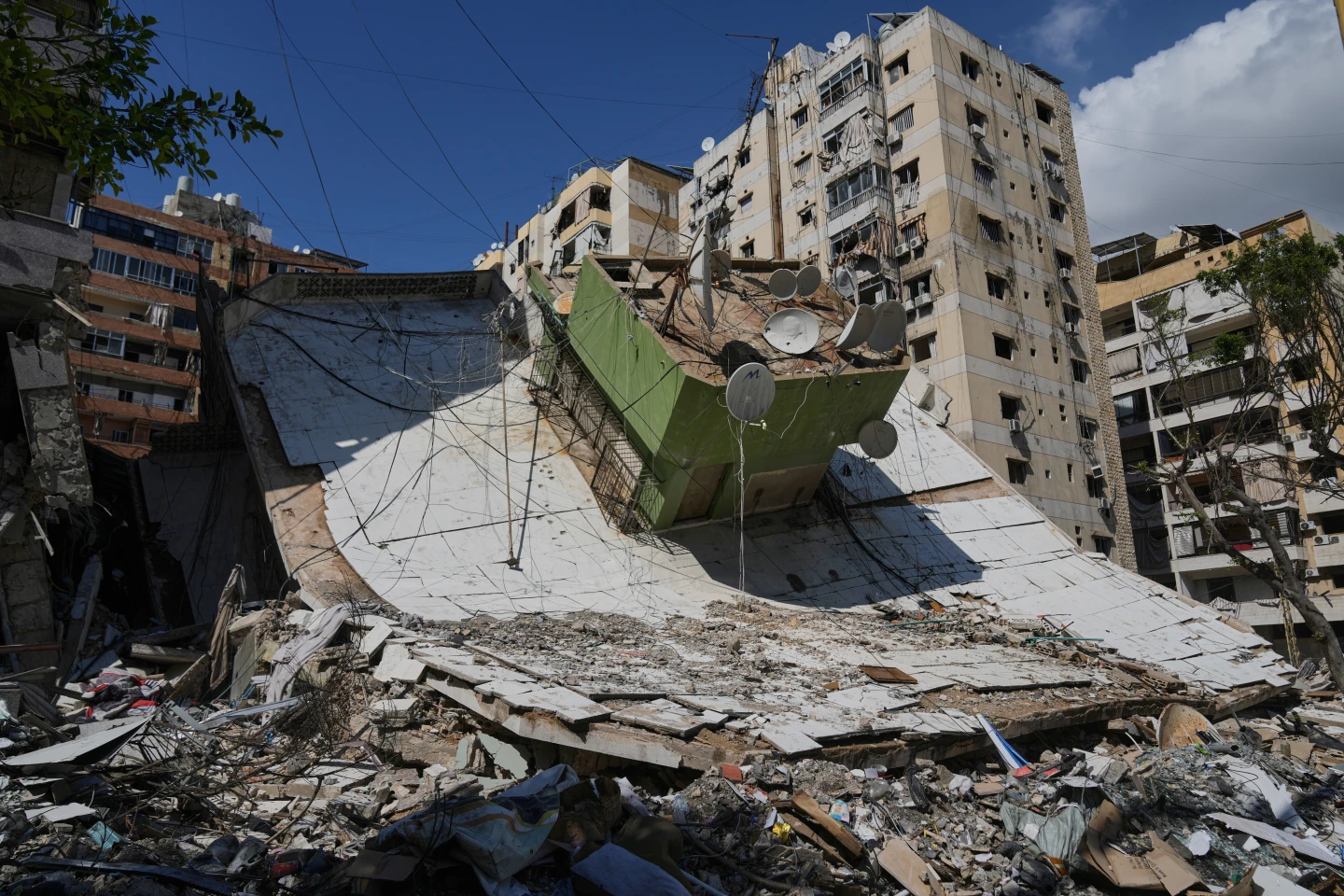
In Hezbollah-controlled neighborhoods like Dahieh, many residential buildings lie in ruin due to the conflict. Conversely, along the waterfront, hundreds remain displaced in improvised tents, expressing apprehension about returning home.
Despite the temporary lull, the ceasefire raises significant questions that linger over Lebanon's future. Notably, it fails to address the withdrawal of Israeli troops from southern territories, maintaining fears of continued occupation while Israeli officials seek to reinforce a security buffer zone.
An enduring issue is Hezbollah's armament, a contentious point dividing Lebanese society. While the US and Israel, alongside several Lebanese factions, advocate for the group's disarmament, Hezbollah supporters deem it essential for their security amid a vulnerable state. High-ranking Hezbollah officials assert that disarmament will never occur, claiming a tight-knit bond with Iran, an integral ally.
Moreover, the deal could permit Israel to persist in operations against Lebanon citing security threats, recreating scenarios reminiscent of preceding conflicts that saw regular assaults on Hezbollah-affiliated entities prior to previous ceasefires.
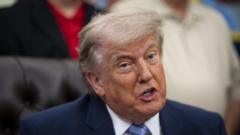
President Trump, who announced the ceasefire, aims for it to foster normalization of relations between Israel and Lebanon. Historically, the two nations have been in a state of war since 1948, without any diplomatic relations established. The road ahead remains complex, with substantial challenges to reconcile before sustainable peace can be envisioned.