Context of the Ban
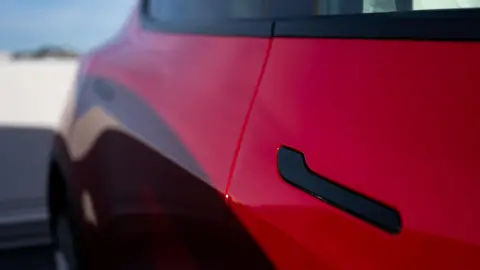
China has banned hidden door handles on electric vehicles (EVs), making it the first country to stop the use of the controversial designs that were made popular by multi-billionaire Elon Musk's Tesla.
The move comes as EVs face increasing scrutiny from safety watchdogs globally after a spate of deadly incidents, including two fatal crashes in China linked to Xiaomi EVs. Reports suggest that power failures in these vehicles prevented doors from opening, raising alarms about safety protocols.
New Regulatory Measures
Under the new regulations, which are set to take effect on January 1, 2027, all cars must feature a mechanical release both inside and outside the vehicle doors. This includes a requirement for a recessed space on each passenger door allowing accessibility to the handle, measuring at least 6cm by 2cm by 2.5cm.
Additionally, inside the vehicle, signs indicating how to operate the door must measure at least 1cm by 0.7cm. Existing models that are nearing introduction into the Chinese market will have a two-year grace period to comply with these new requirements.
Impact on the Global Market
Although the regulations will primarily affect vehicles sold in China, the country's hefty presence in the global automotive industry suggests that these new standards could influence international design practices widely.
Hidden handles are prevalent in about 60% of the top 100 best-selling new-energy vehicles (NEVs) in China, highlighting a significant shift in vehicle design protocols. As the Chinese regulatory landscape changes, other countries may follow suit, prompting reviews of design safety across the board.
Comparative Perspectives
The ban on hidden door handles echoes similar safety concerns in other jurisdictions, including ongoing investigations by U.S. regulators over Tesla’s door handling mechanisms that have reportedly failed, trapping occupants inside vehicles. As EV technology continues to evolve, so too does the regulatory landscape, signaling a critical reassessment of safety standards.