In brief
Guo Wengui, once regarded as one of China’s richest businessmen, was convicted in New York on charges of racketeering, fraud and money laundering. After leaving China in 2017, he cultivated a large online following of Chinese expatriates who donated over $1 billion to his investment and cryptocurrency ventures. A U.S. judge ruled that Guo exploited the trust of those pledging to help the anti‑Communist cause for his personal enrichment. His sentence signals that name and wealth do not protect individuals from legal accountability. The case also reignited scrutiny of high‑profile Chinese dissidents operating abroad.
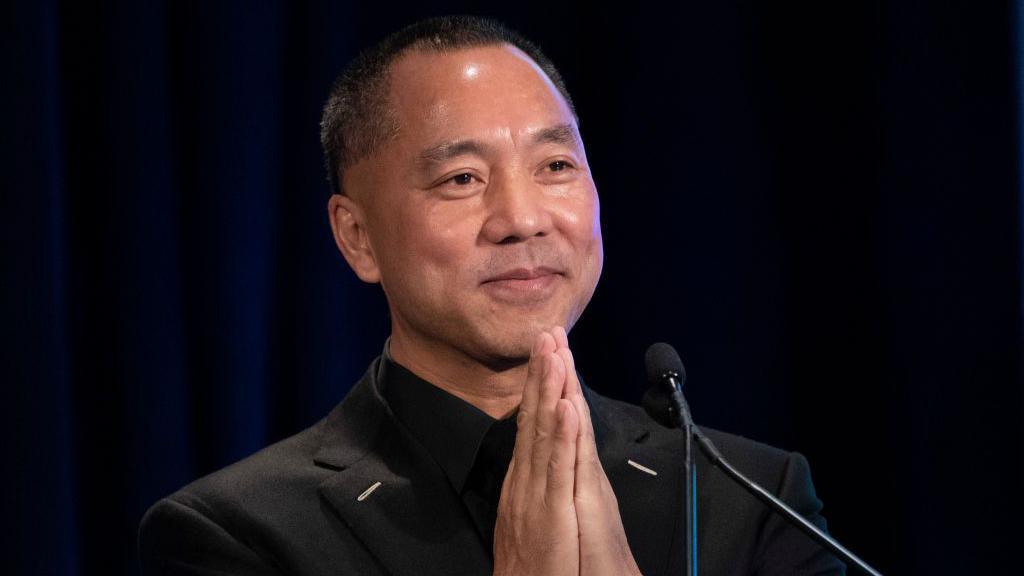
Guo Wengui, once hailed as one of China’s richest businessmen, has been handed a 30‑year sentence in a U.S. federal court for orchestrating a $1 billion fraud scheme.
After fleeing China in 2017, the former property developer reinvented himself in the United States as a vocal critic of the Communist regime and built a sizable online following among the Chinese diaspora.
Prosecutors alleged that between 2018 and 2023 Guo raised more than $1 billion (£760 million) from supporters who invested in his cryptocurrency and other venture projects. The money was reportedly used to finance a lavish lifestyle that included a 50,000‑square‑foot mansion, a $1 million Lamborghini and a $37 million yacht.
A judge, Analisa Torres, said Guo “preyed on those seeking to bring democracy to China,” taking their money for personal indulgence. U.S. attorneys highlighted that the case demonstrates that “fame and wealth do not place you above the law, and fraudsters will face significant consequences.”
Guo’s former stature in property development and his ties to China’s government lent his story further political significance. He had sought asylum in the United States after accusations of corruption from top Chinese officials. The sentencing underscores ongoing legal scrutiny of high‑profile Chinese dissidents abroad.