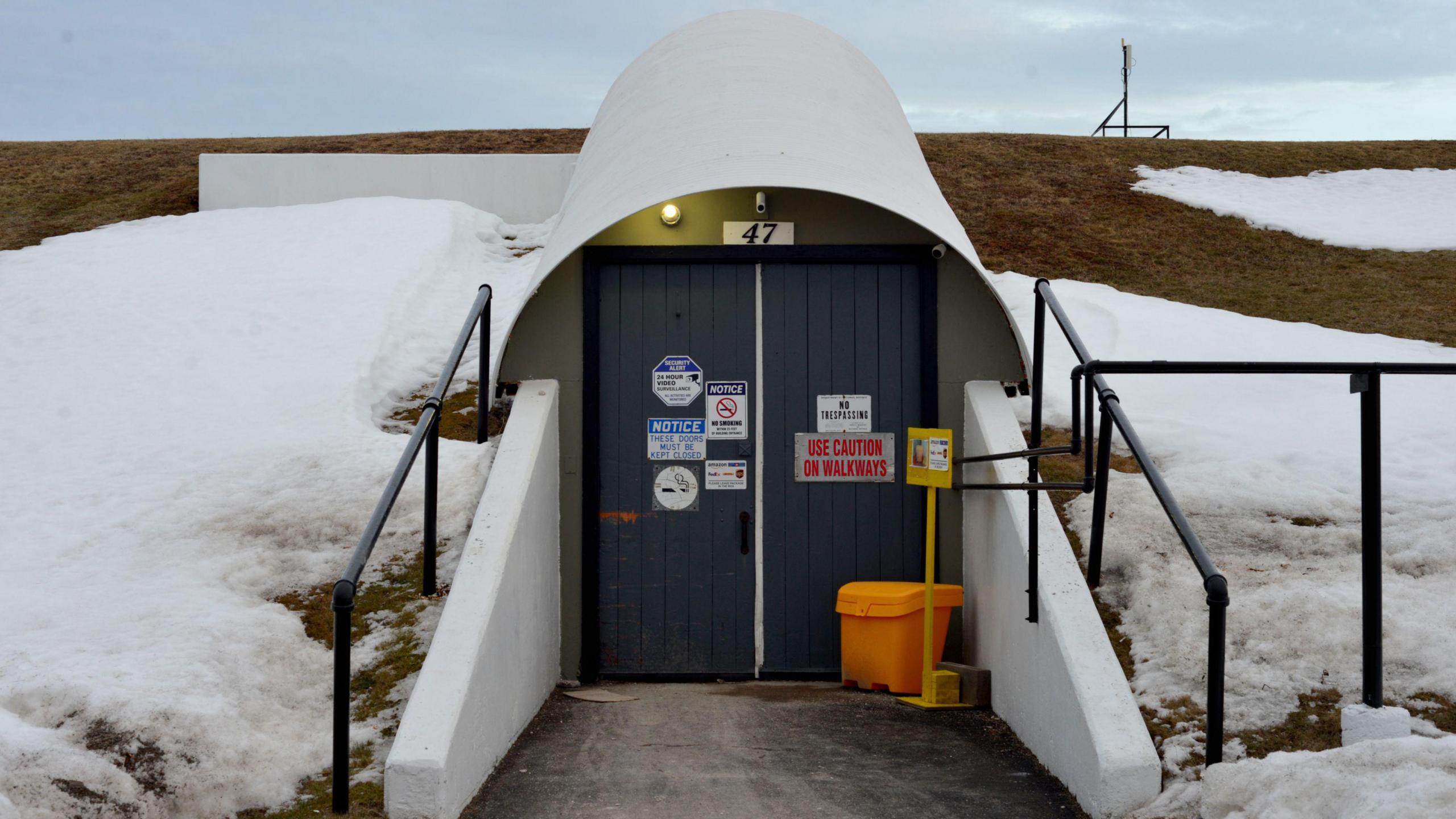
In the small town of Debert, Nova Scotia, a relic of the Cold War is being reborn as a modern, luxury living space. The 64,000‑square‑foot bunker, once designed to house 329 officials for 30 days during a nuclear crisis, is now owned by Canadian cryptocurrency magnate Jonathan Baha'i.
Baha'i, through his company Fallout Complex Inc., plans a 50‑unit residential complex that will offer gourmet dining, biometric access, 24‑hour surveillance, on‑site medical care, and even a private airstrip for tenants’ planes. The development is marketed as a “doomsday” bunker, but its creator stresses the goal is practical preparedness for any large‑scale storm, not the apocalypse.
Although the bunker has been sold and operated in various ways—laser tag arenas, historical tours, and a small data centre—the new renovation includes modern amenities such as a spa, yoga room, cigar lounge, and an adjacent underground garden to grow food. Once the condos are vacant, the units will be leased as hotel rooms, allowing owners to share the profit.
The project is part of a broader trend of converting former military infrastructure into commercial ventures; in the United States, former missile silos and bases have been turned into gated communities and hotels. In Canada, other bunkers have been abandoned or repurposed for different uses, but few have seen such ambitious redevelopment.
Local residents have mixed feelings. The Debert Military Museum’s secretary, Annette Sharpe, worries about proprietary ownership of a historical landmark, while the town’s mayor notes that the public has not voiced opposition so far. Nearby housing remains inexpensive, but the luxury condominium seats a new chapter for Debert’s post‑military economy, potentially boosting tourism and real‑estate interest.