Himalayan Trek Route Disrupted as New Landslides Hit Nepal
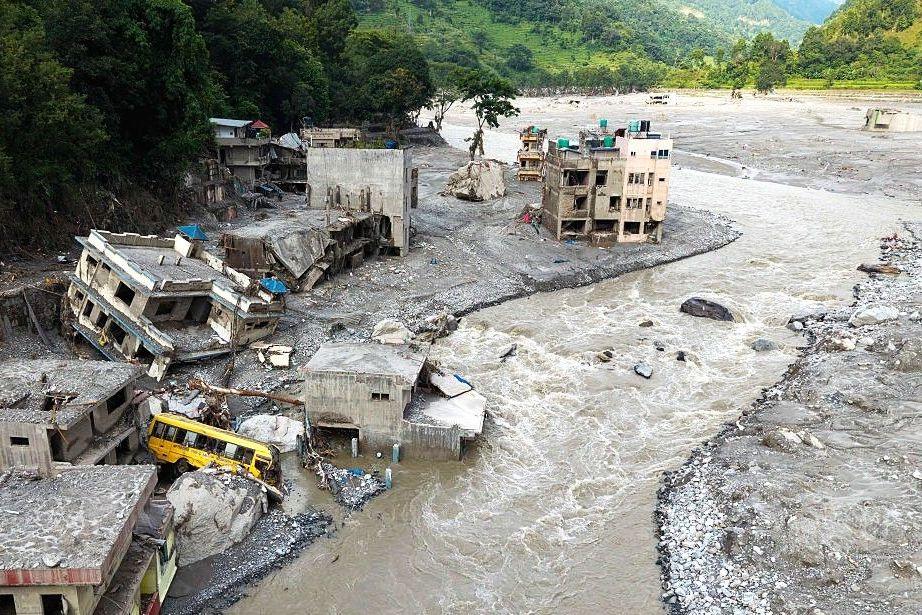
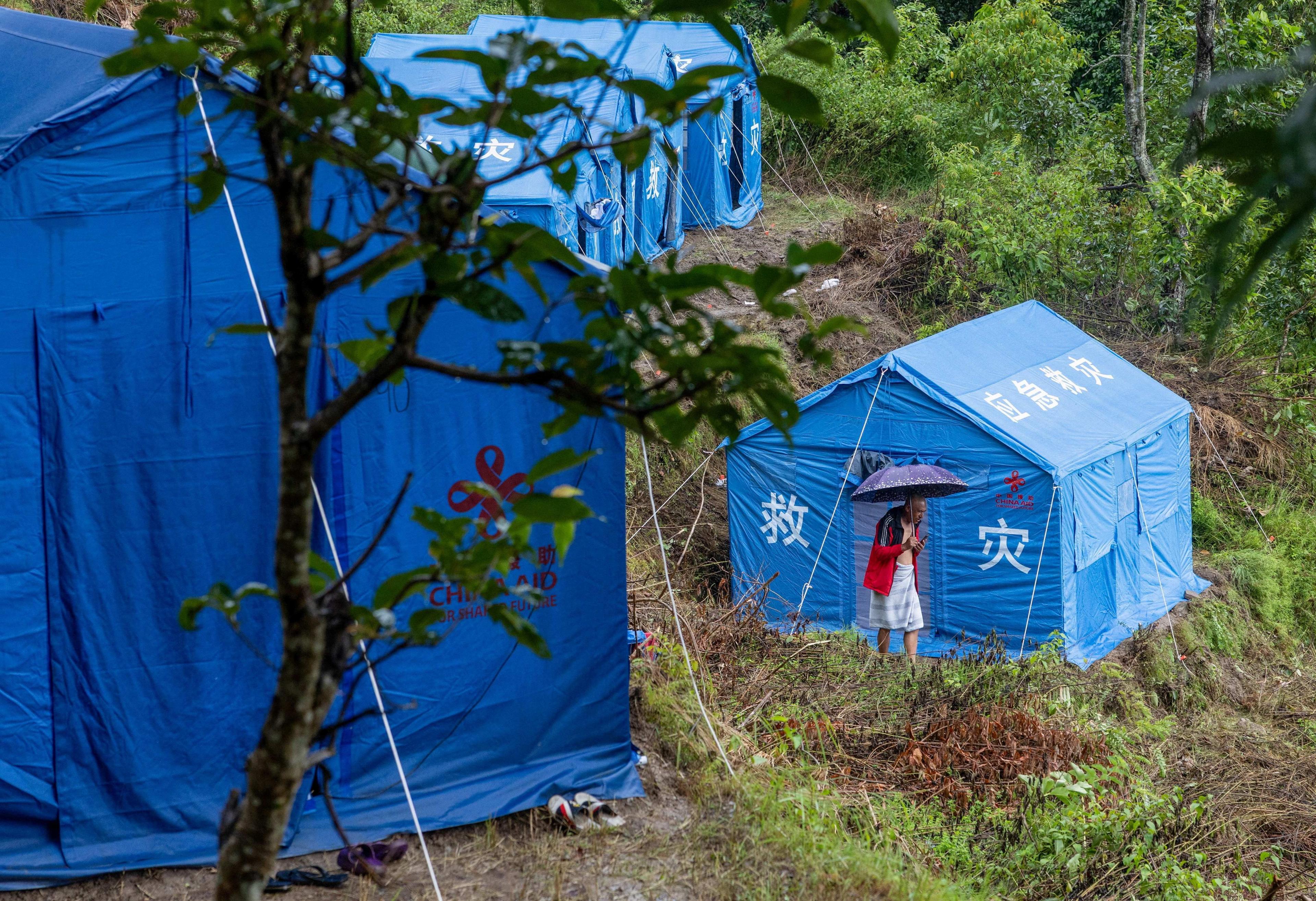
In the wake of the August floods that claimed 1,400 people, Nepal is facing a new wave of devastation. Heavy rains have triggered landslides that have killed about 30 more people and left nearly 1,900 families and 240 homes damaged.
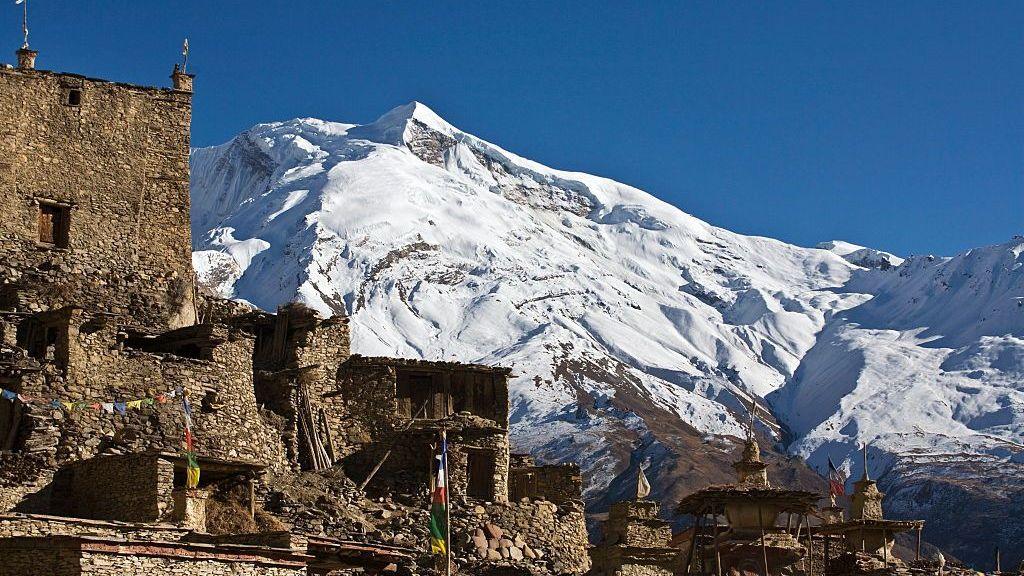
The National Disaster Management Authority says roads, buildings and bridges have been swept away, cutting off remote sections of the Annapurna Circuit. The trail, once a major source of tourism revenue, is now closed to most trekkers.

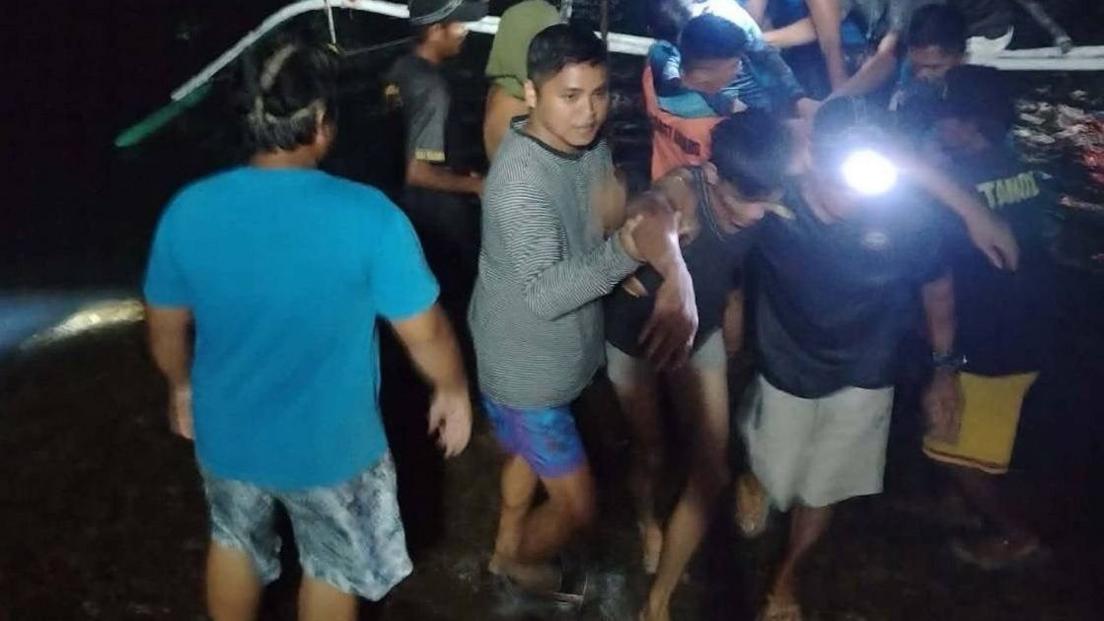
Hundreds of trekkers and guides have had to retrace the older, abandoned paths through Manang and Mustang to return to safety. Many trekkers were rescued by helicopters after local roads were washed out.
Local residents speak of loss and uncertainty. In Battar, a town northwest of Kathmandu, buti tamang said, "We used to live in a hut, but now there is nothing. We have lost so many relatives." Meanwhile, in Chame, the river has been blocked by a landslide, creating a temporary lake that flooded houses.
The crunch of economic impact is acute. Trekking guides such as Tse Ring Doma describe the mental toll of navigating sudden ravines, while evaporation of tourist revenue ties directly into the broader debate over Nepal’s dependence on hydropower and free‑flowing rivers.
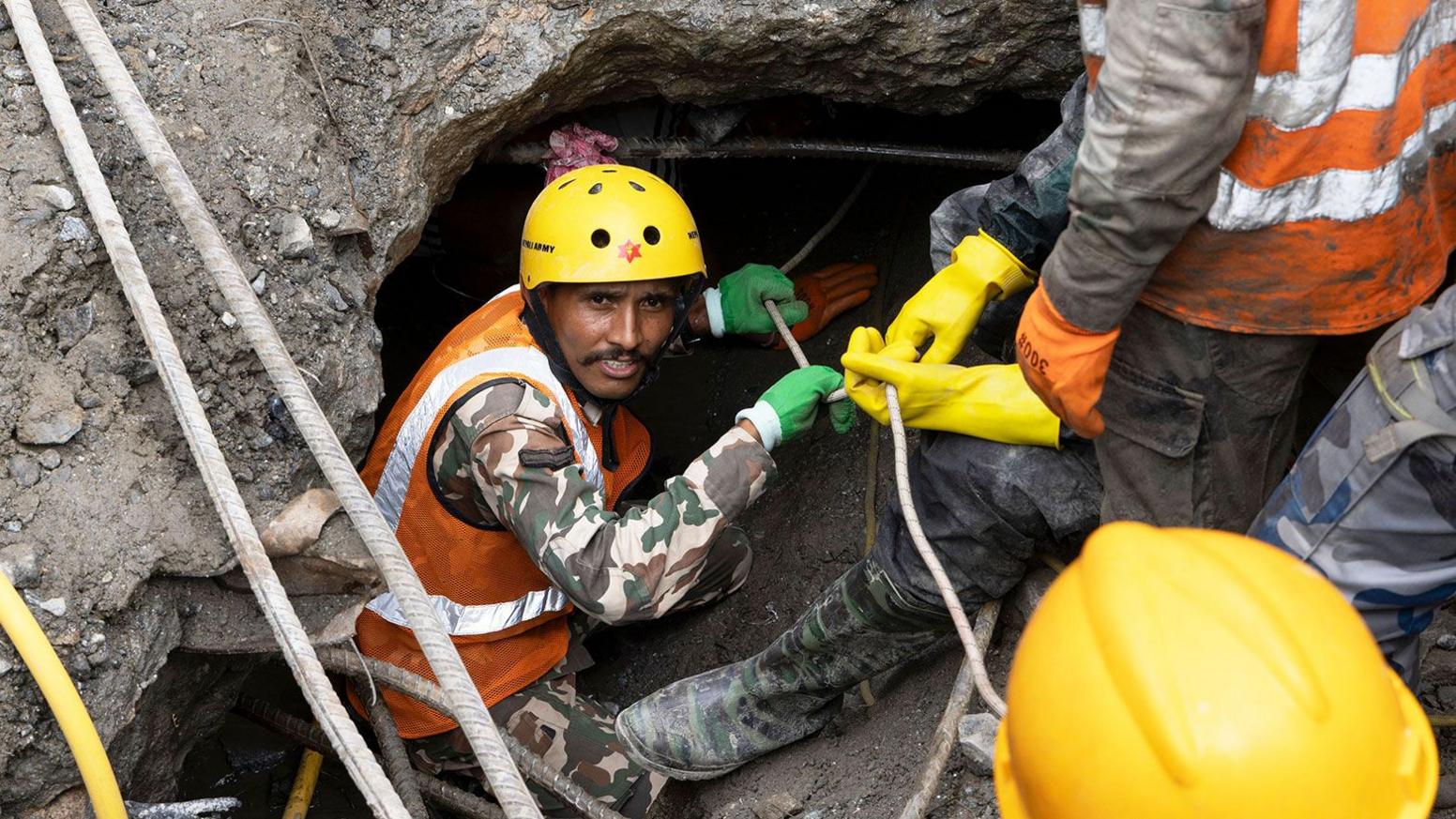
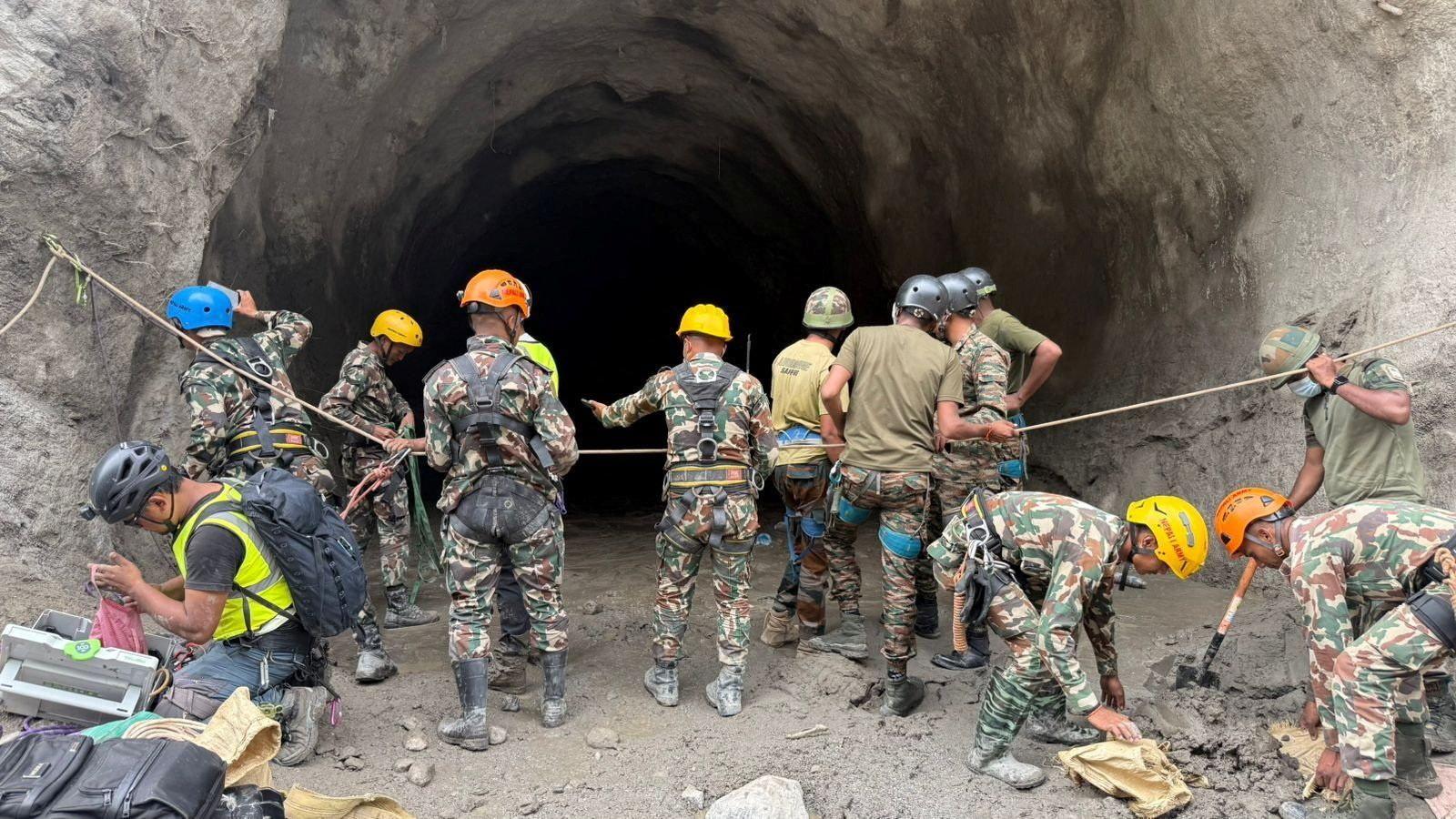
Authorities have begun clearing obstacles, but recovery is slow. The remote district of Himlung Peak saw an avalanche that killed four people and left 12 missing.
Locally, the Annapurna Conservation Area Project reports that about 700 trekkers remain stranded in Pokhara, under pressure from the industry to reopen the route.
While the tourism sector seeks rapid reopening, experts warn that the recurring deluge is a symptom of broader climate vulnerabilities that require long‑term policy responses rather than short‑term fixes.
As the disaster response continues, the story of Nepal’s resilient communities, the heavy debate over hydropower projects, and the impact of extreme weather on livelihoods will remain on the front page of international news.