In brief
Scientists investigating the August 26 floods on the Nepal‑Tibet border have identified a collapsed glacier as the main trigger. Initial reports blamed earthquake‑induced landslides, but USGS data confirmed a massive glacial collapse that registered a 5.2‑magnitude shock. The event, linked to rising temperatures and retreating Himalayan ice, mirrors past incidents in India and Switzerland, underscoring the growing risk of glacial hazards in a warming climate.
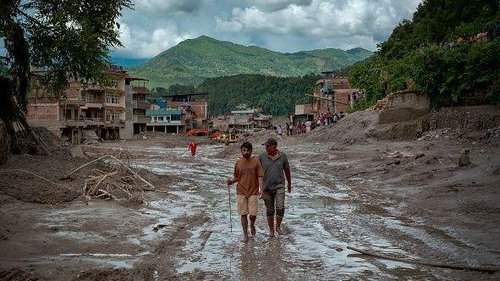
Preliminary investigations indicate that a sudden collapse of a glacier on the Nepal‑Tibet border was the main cause of the devastating flash flood that killed at least 177 people on 26 August 2026. Initial rumblings of an earthquake were wrong; the event was a “glacial collapse”, according to the U.S. Geological Survey (USGS).
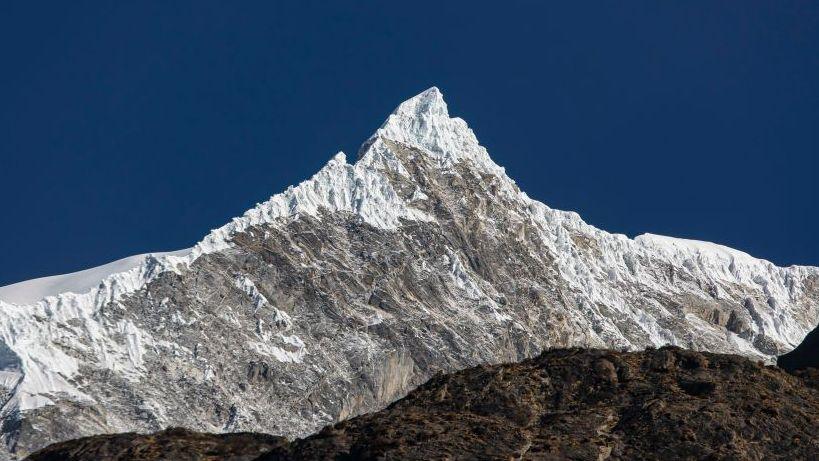
The USGS recorded a 5.2‑magnitude shock when the glacier – located near Langtang Lirung – disintegrated and slammed into the bedrock of a valley, generating a massive surge of water, ice and rock that overflowed the Lende Khola tributary of the Bhote Koshi river.
Dr Simon Cook, a glacier expert from the University of Dundee, reported that the glacier’s lower section collapsed inland to the northwest before travelling downstream to the flood site about 15 kilometres to the west.
The flood’s dynamics are comparable to the 2021 Chamoli glacier collapse in northern India, in which an estimated 15 “atomic bombs” worth of mass moved downstream, killing 200 people. In Switzerland, a similar glacial event caused a deadly 2019 avalanche in the Valais region.
ICIMOD, an intergovernmental scientific body, warned that glacial lakes in the Hindu Kush Himalaya are drying out at double the rate since 2000, increasing the danger of outburst floods and mountain debris flows. The 2026 event shows how rapidly these hazards are manifesting because of rising temperatures and thawing permafrost.
Mohd Farooq Azam of ICIMOD said the visible increase in cryospheric hazards points to a climate‑driven trend. “The logic is that with a warming planet, you will see shrinking glaciers, more snow melt and degraded permafrost, which together destabilise mountain slopes,” he explained. “That leads to more landslides, debris flows, glacial meltwater, lake outbursts and glacier collapses.
The flood caused water levels in downstream rivers to rise 7–9 metres within half an hour, damaging or destroying many monitoring stations, the ICIMOD analysis noted. Aerial footage shows steep valleys funneling debris and water at terrifying speed.
In short, the 26 August incident underscores how climate change is exacerbating natural geographic hazards, putting communities on the Himalayan fringes at heightened risk of sudden, lethal floods.