NEW YORK (AP) — Just over a year ago, the Trump administration began an immigration enforcement campaign that swept up multiple people who had taken part in pro-Palestinian activism on U.S. college campuses.
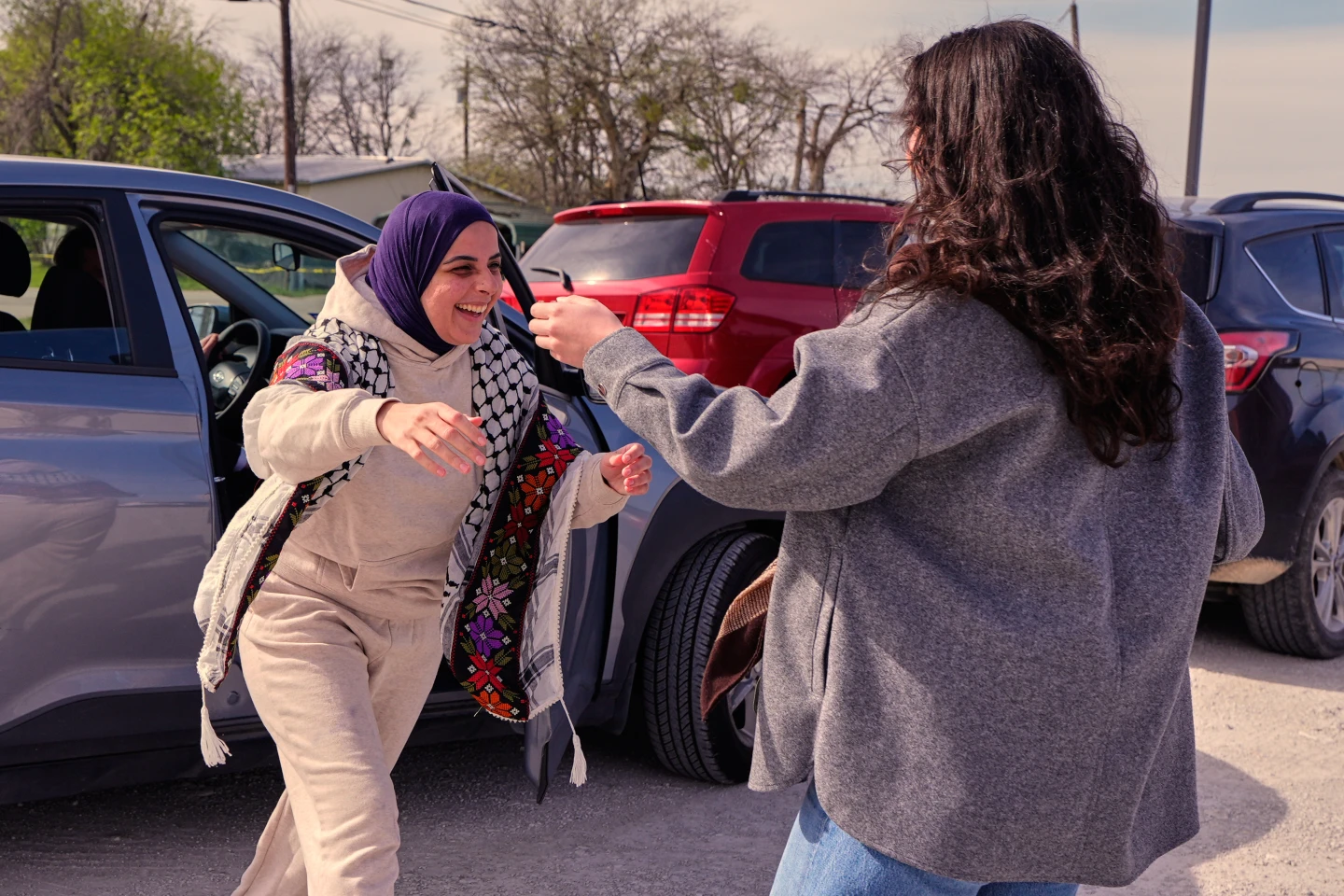
The last of those people, Leqaa Kordia, was released Monday after the government stopped fighting a judge’s repeated orders that she be freed on bond.
Kordia, a 33-year-old Palestinian woman and daughter of a U.S. citizen, had been in detention since her arrest on March 13, 2025, in New Jersey during an immigration check-in. Federal officials cited Kordia’s role in what they deemed to be “pro-Hamas protests.” Though not well known as an activist, she had been arrested at a 2024 demonstration outside Columbia University in New York, where the charges were later dismissed.
Kordia’s immigration case isn’t over. Federal officials accuse her of overstaying her student visa after leaving an educational program; she has asserted that she believed she was allowed to stay under a different immigration mechanism she was pursuing.
A look at some others who experienced similar fates reveals a troubling pattern for those engaged in activism. Some students and scholars have been deported or left the U.S. upon learning their visas had been revoked.
Mahmoud Khalil
Mahmoud Khalil was notably the first person whose arrest became public during the crackdown. A Syrian-born legal U.S. resident and pro-Palestinian activist, he spent 104 days in detention before being released in June on a judge’s orders, having missed the birth of his first child. The government continues seeking to deport him, claiming his participation in protests invalidated his status, while Khalil insists his advocacy for Palestinian rights does not equate to antisemitism.
Badar Khan Suri
Khan Suri, a Georgetown University scholar from India, was arrested outside his Virginia home in March 2025. Accused of spreading Hamas propaganda due to familial ties to Gaza, he was released on bond in May and continues to fight his case.
Rümeysa Öztürk
Öztürk, a Tufts University doctoral student from Turkey, was detained by federal officers as she left for iftar during Ramadan. The State Department revoked her visa partly due to an editorial criticizing the university's stance regarding Palestinian issues. After her release in May, she returned to her academic work.
Yunseo Chung
Columbia University student Yunseo Chung faced federal scrutiny after participating in a pro-Palestinian sit-in. Although federal agents searched her home, a judge ruled against her detention while she continues her legal fight.
Conclusion
The cases reflect a wider concern regarding the treatment of activists within the immigration system, highlighting debates around freedom of speech and the implications of activism on legal status in the U.S.