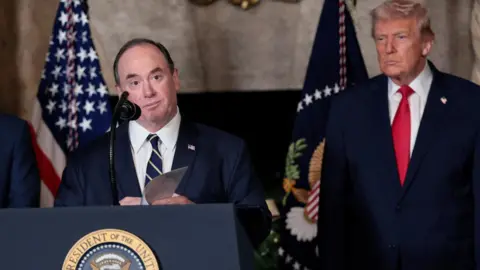
The resignation of U.S. Navy Secretary John Phelan was made public by the Pentagon on April 23, 2026, citing his departure as effective immediately. This marks a significant shift in Navy leadership as he is the latest in a line of high-ranking military officials to exit the Trump administration.
Phelan's resignation coincides with the backdrop of heightened tensions in the Middle East, particularly the ongoing U.S.-Israel conflict involving Iran. Reports suggest that Phelan's departure came following disagreements regarding shipbuilding initiatives and broader strategies under Defense Secretary Pete Hegseth.
Sean Parnell, a Pentagon spokesman, expressed gratitude for Phelan's service, stating, On behalf of the Secretary of War and Deputy Secretary of War, we are grateful to Secretary Phelan for his service to the Department and the United States Navy. Navy Undersecretary Hung Cao is set to serve on an acting basis during this transition.
The context of Phelan's exit is complicated further by prior resignations within the Army, including Army Chief of Staff Randy George, highlighting an administrative shakeup that raises questions about stability within U.S. military leadership.
While exact reasons for Phelan's resignation remain unconfirmed, speculation surrounds ongoing disputes related to military policy, specifically shipbuilding, with unverified reports pointing to tensions within the Navy's operational strategies.
Cao, who will assume the acting secretary role, has a military background and previously made headlines during an unsuccessful Senate campaign where he critiqued military policies regarding diversity. His appointment during a period of military transition puts him under scrutiny as he also faces significant operational challenges amidst ongoing conflicts.
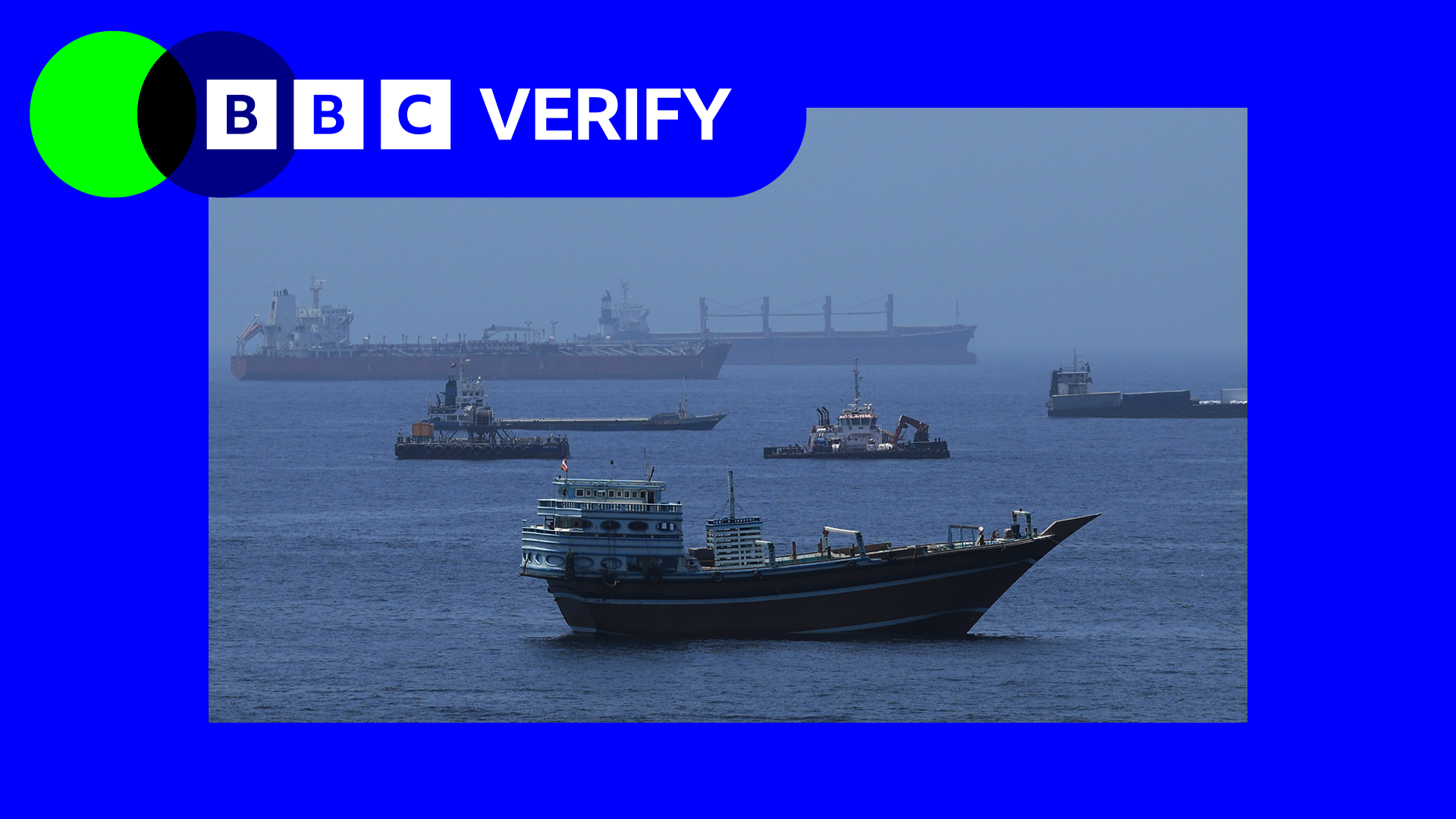
The challenges that lie ahead for the Navy are underscored by the complex situation in the Strait of Hormuz, a crucial shipping route, where U.S. naval operations are currently under significant pressure due to Iranian actions. White House Press Secretary Karoline Leavitt communicated the administration’s stance, reinforcing that the U.S. blockade on Iranian ports remains firm.
In summary, Phelan’s resignation symbolizes a period of instability within the U.S. military at a time of high stakes for national security particularly regarding ongoing confrontations in the Middle East.