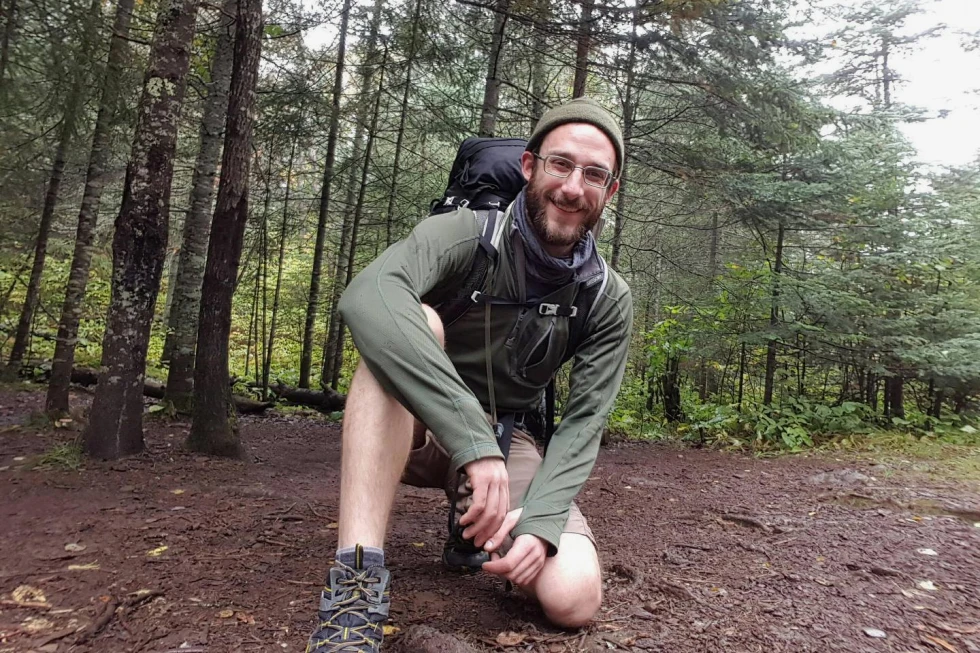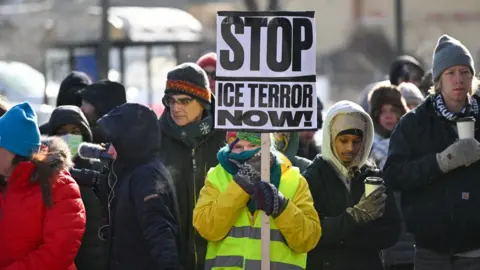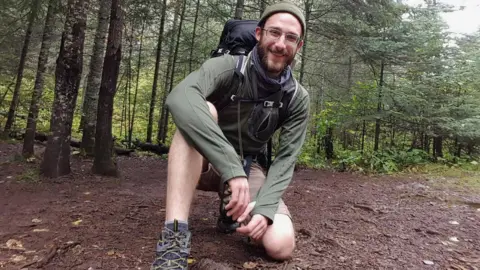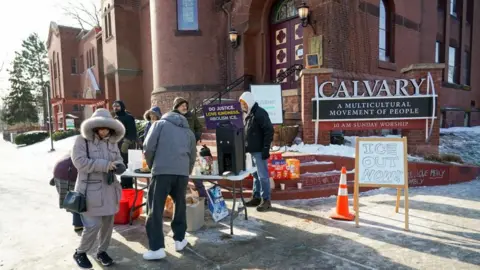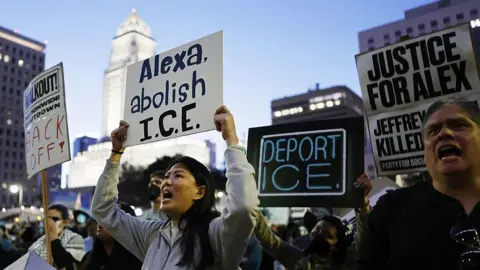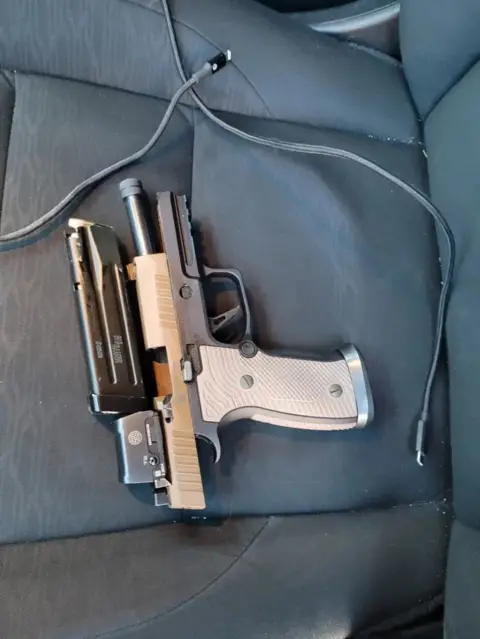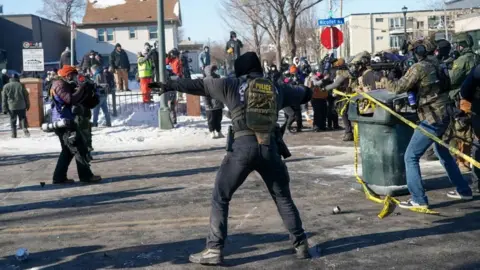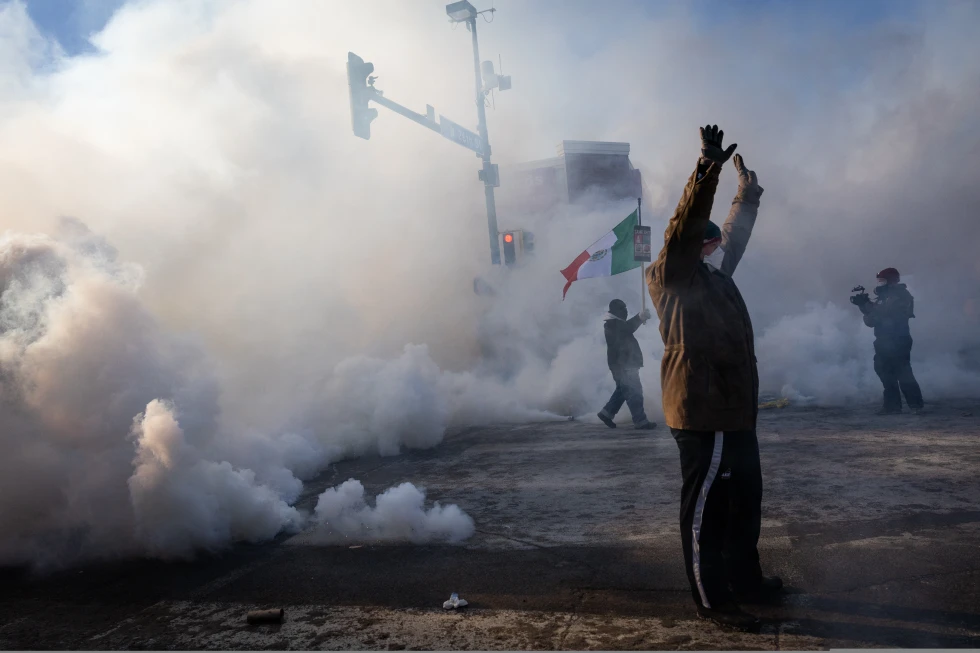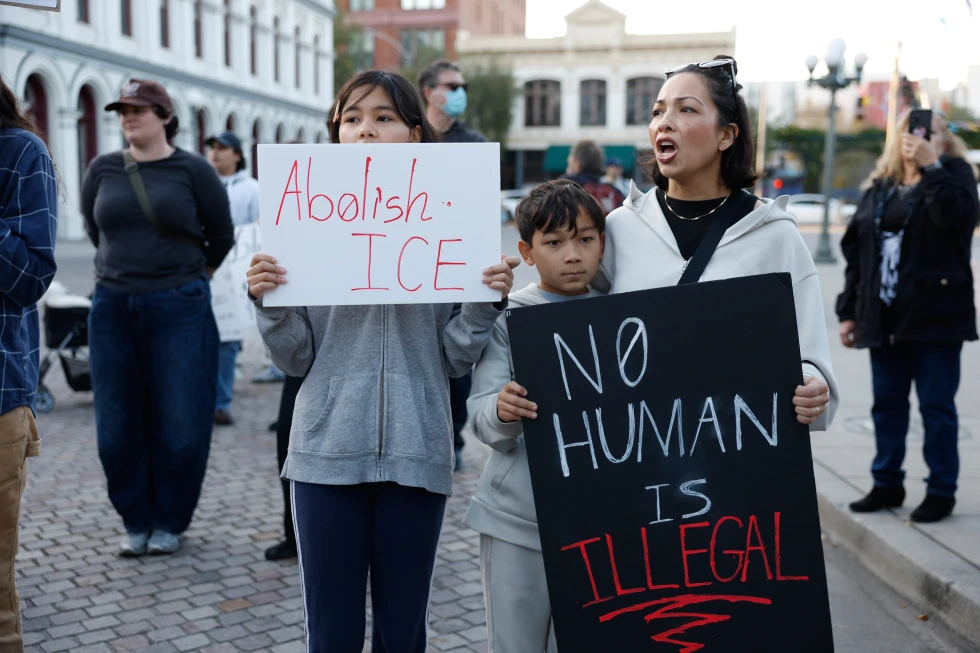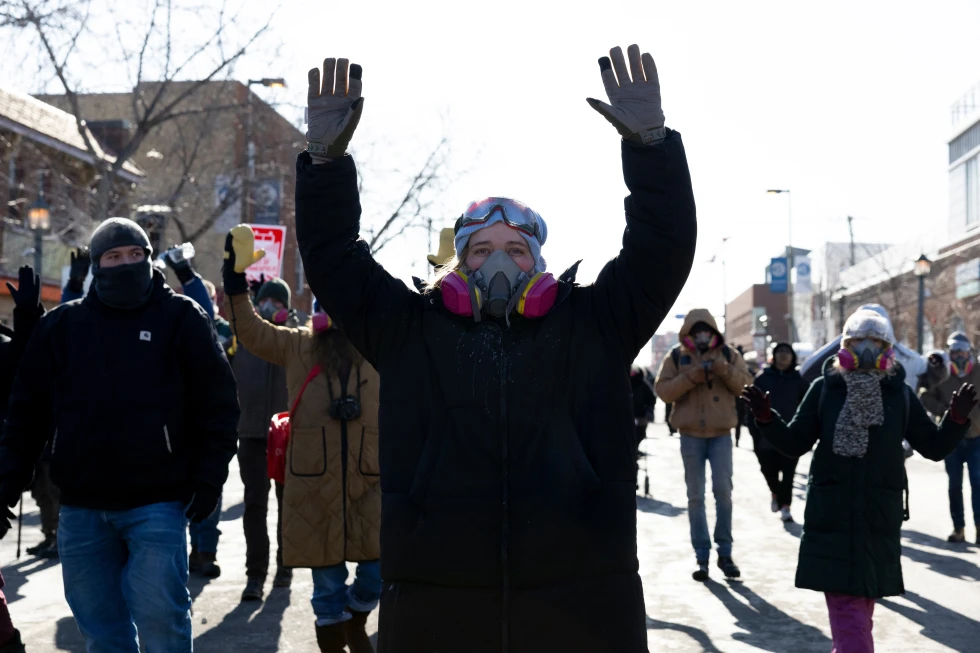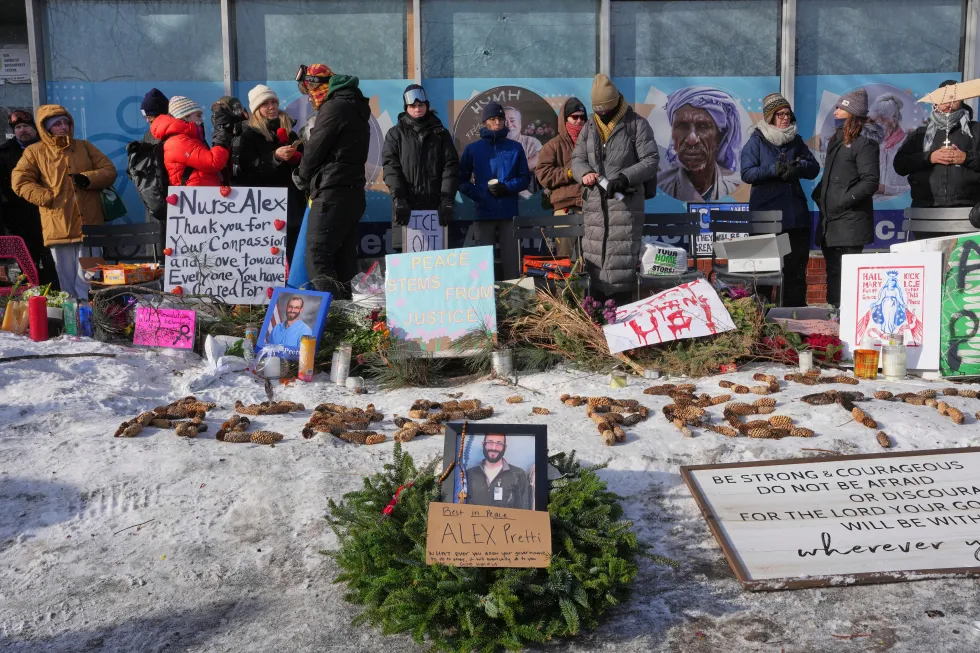
The tragedy surrounding the recent death of 37-year-old Alex Pretti during protests in Minneapolis has led to a stark division in narratives from government officials and eyewitness accounts. Pretti, a nurse by profession, attended these protests against President Trump’s immigration policies, armed with a licensed firearm, which has since been a focal point of discussion among officials.
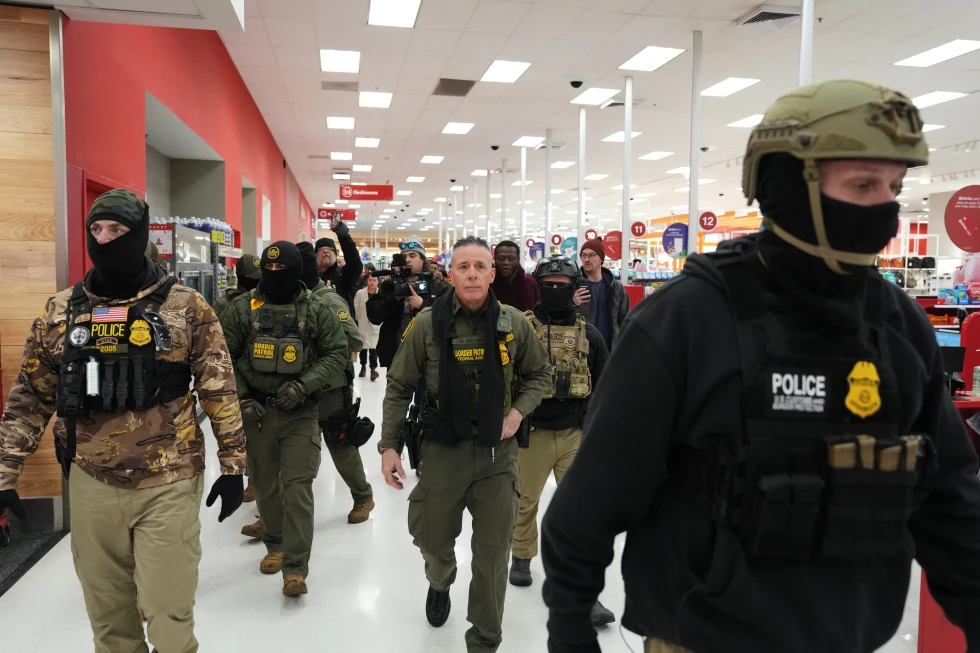
Immediately following the shooting, officials from the Trump administration painted Pretti as a potential threat to law enforcement, highlighting his firearm as evidence of his intent to cause harm. In contrast, bystander recordings, also reviewed by various outlets, depict Pretti merely engaging in verbal interactions with officers while filming the protest. These contrasting accounts have raised critical questions about the overall narrative being presented by authorities.
Official Reactions and Political Ramifications
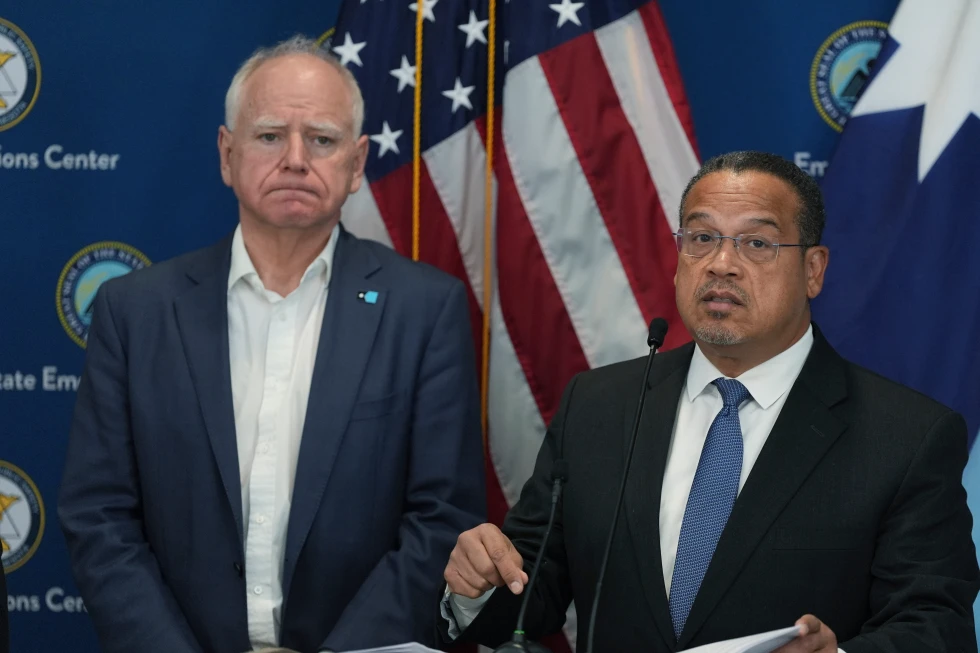
Homeland Security Secretary Kristi Noem condemned Pretti's actions, insinuating he was there to instigate violence, thereby attempting to justify the law enforcement response. On the other side, local officials, like Minnesota's Gov. Tim Walz, emphasized the peaceful intent of the protests and criticized inflammatory comments made in the wake of Pretti's death.
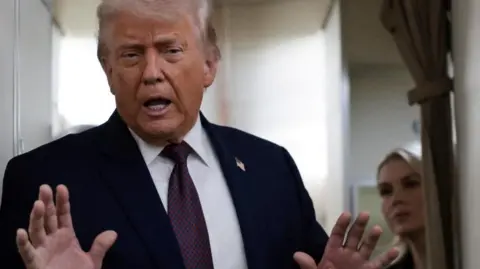
Trump leveraged this incident for broader political commentary, asserting that local Democrats had incited chaos, which dimmed a critical lens on accountability in federal immigration enforcement practices.
Eyewitness Accounts and Media Coverage
Video evidence from the scene shows Pretti raising his hands and attempting to communicate with officers, with no footage displaying him aggressively brandishing his weapon. This discrepancy between video evidence and official statements by figures like Border Patrol official Greg Bovino, who called Pretti’s actions incendiary, illustrates a growing mistrust of governmental explanations.
The political discourse surrounding this event is heightened by Pretti's visible involvement as a bystander rather than an instigator in the moments leading up to his shooting. Videos show him engaged with protesters and law enforcement while armed, which further complicates the notion of civilian participation in such confrontations.
In the wake of this shooting, officials continue to engage in finger-pointing: local leaders resist blaming activists for violence while higher-ups at the federal level stress the need for order amid ongoing protests. The event exemplifies how individual tragedies can become battlegrounds for larger ideological conflicts within the United States.
As this story develops, experts remind the public to consider the varying narratives offered by both sides and the implications of these responses on police-community relations, immigration policy enforcement, and the safety of protesters nationwide.