In brief
U.S. District Judge Jesse Furman has ruled that the Justice Department unlawfully fired former federal prosecutor Maurene Comey during the Trump administration. The court ordered her reinstatement, back pay for July‑December 2025, and a formal acknowledgment of constitutional violations. While the DOJ will appeal, the decision highlights growing concerns about political interference in federal prosecutions. The case underscores the ongoing debate over the independence of civilian oversight in U.S. law enforcement.
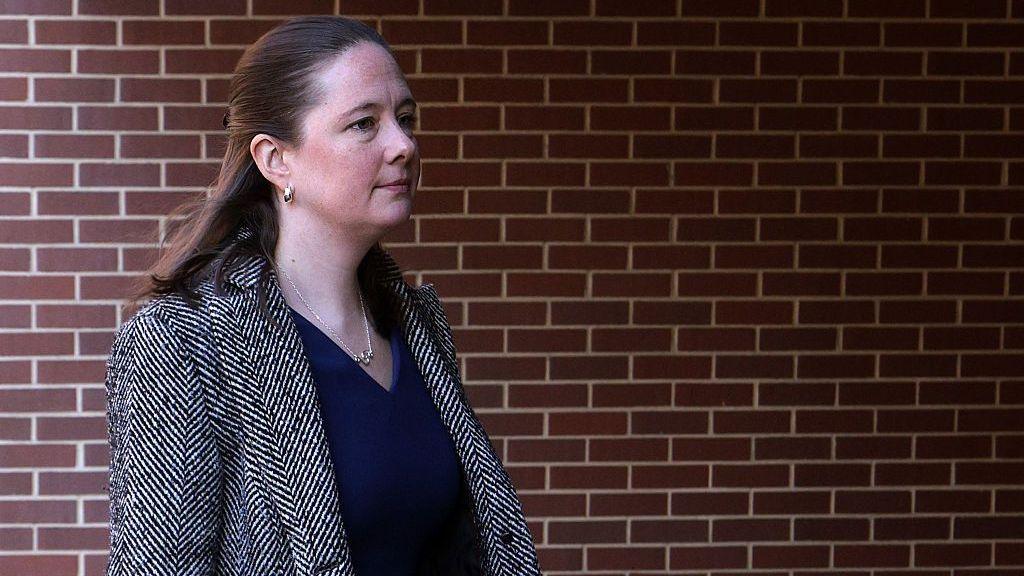
U.S. District Judge Jesse Furman recently ruled that the Justice Department unlawfully terminated Maurene Comey—former federal prosecutor in New York—during the Trump administration. The judge ordered that she be reinstated, receive back pay for the period from July to December 2025, and that the department acknowledge a constitutional violation and a breach of due‑process rights.
Comey had previously worked on high‑profile cases, including prosecutions of Jeffrey Epstein, Ghislaine Maxwell and hip‑hop mogul Sean “Diddy” Combs. Her lawsuit claims the dismissal stemmed from her father’s criticism of President Trump and her perceived political affiliations. She alleges that the firing was “solely or substantially because her father is former FBI Director James B. Comey or because of her perceived political affiliation and beliefs.” The judge noted that only certain specific reasons and a defined procedure authorize the firing of federal prosecutors.
The Justice Department, in a statement, said it disagreed with the ruling and would appeal. Supporters of the department maintain that the dismissal was lawful under the standard administrative process, while advocates of civil servants cite the ruling as a safeguard for rule‑of‑law principles. The case follows a series of controversies surrounding the DOJ’s treatment of political opponents and former officials, underscoring an ongoing debate over independence in federal law‑enforcement agencies.
While the decision imposes significant repercussions for the Department of Justice, it does not yet address the plea bargain arrangements for other related cases, such as the charges related to an Instagram post allegedly threatening President Trump. The ruling may influence future assessments of political neutrality in federal hiring practices and may affect how subsequent administrations manage prosecutions in politically sensitive contexts.