In brief
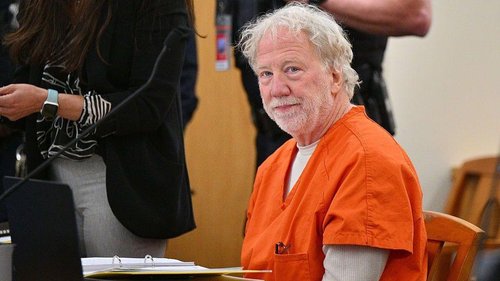
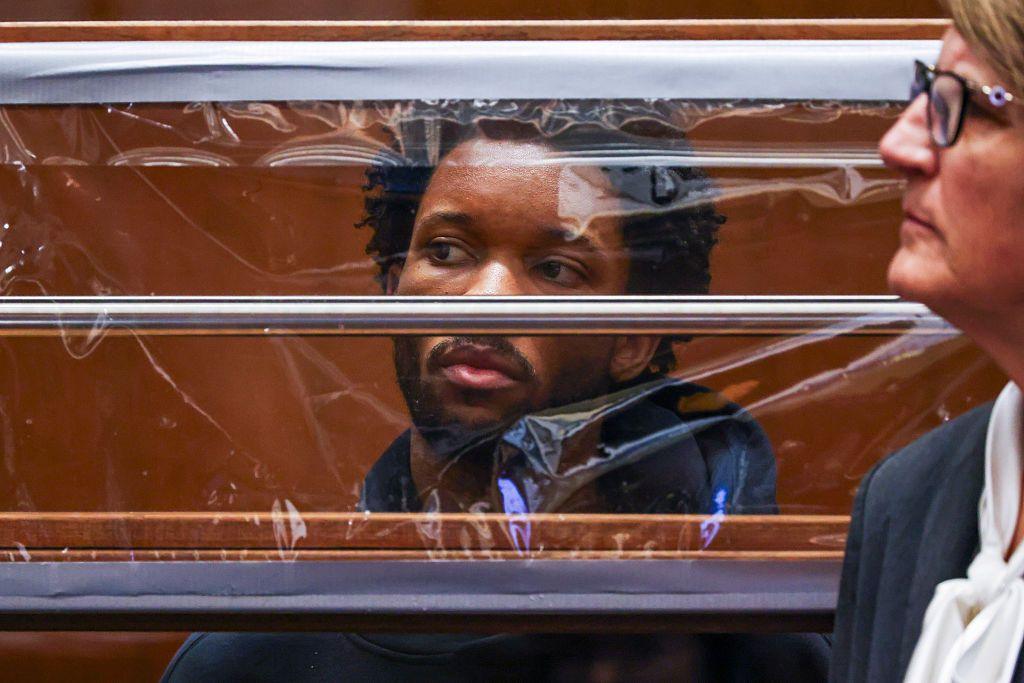
During a preliminary hearing for singer D4vd, prosecutors displayed graphic images of the alleged victim, 14‑year‑old Celeste Rivas Hernandez, sparking horror among her parents who had been warned beforehand. The evidence included photos of a dismembered body found in a Tesla, as well as items allegedly purchased by the accused to conceal the crime. The case highlights complexities in balancing judicial transparency with the well‑being of grieving families, while also drawing attention from the music industry and social media audiences.
A preliminary hearing in Los Angeles on Tuesday featured the unprecedented display of graphic photographs depicting the dismembered body of 14‑year‑old Celeste Rivas Hernandez. The images were shown to the jury and to the victim’s parents, who had been cautioned in advance about the nature of the evidence.
Prosecutors presented a series of photographs from the crime scene, showing the remains inside a Tesla owned by the accused singer, staged under the pseudonym D4vd. They also introduced scanned receipts for a chainsaw, a body bag and an inflatable pool, all purchased after the death and purportedly used for disposal.
The victim’s family, led by her mother Mercedes and represented by attorney Patrick Steinfeld, expressed shock and described the experience as a “worst nightmare.” Steinfeld noted that while the mother had decided to remain in the courtroom to support her daughter, the emotional toll of seeing the images was profound and lasting.
During the hearing, detectives recounted hearing the body’s decomposition and describing the dismembered state of the remains. The testimony also mentioned a tattoo on the accused’s left ring finger that matched a mark on the victim’s left hand, potentially linking them.
The court faced a delicate balance: ensuring the seriousness of the case was conveyed to the judge while safeguarding the parents from undue trauma. The judge will consider whether the evidence suffices to move the matter to trial, with further witnesses likely to be called as the preliminary hearing continues.
The incident has sparked broader conversation on the role of graphic content in court proceedings, the responsibilities of media outlets in reporting such scenes, and the impact on public perception—particularly within the music community where the accused’s career is at stake.