In brief
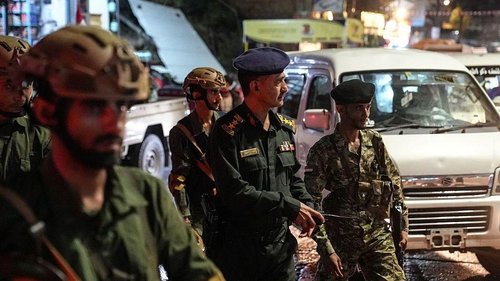
The U.S. has sent a clear warning, ordering diplomats and their families to leave Saudi Arabia as Houthi attacks increase in frequency and intensity. Three people were killed in recent strikes, including a drone attack on an oil field and a bombing of King Fahd International Airport in Dammam. Saudi officials cited the targeting of civilian airports and critical infrastructure, warning of rapid escalation. The move underscores the ongoing conflict between Yemen’s Houthis and Saudi Arabia, which has resumed after a four‑year ceasefire. U.S. officials emphasize safety and the need to protect non‑combatants amid this volatile backdrop.
The US State Department has ordered non‑emergency diplomats and their families to leave Saudi Arabia following a surge in attacks linked to Yemen’s Iran‑backed Houthi movement that have killed three people.
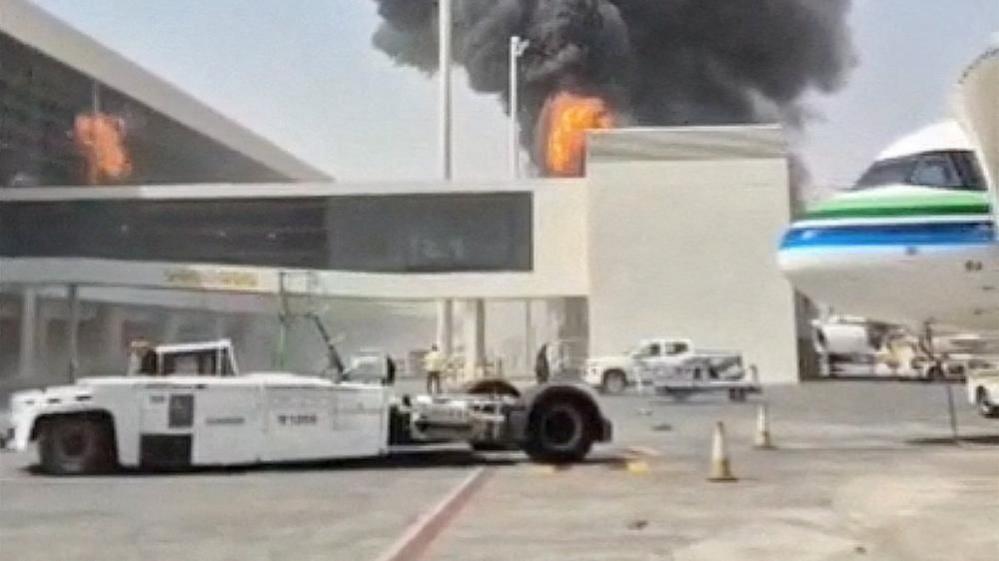
Saudi authorities said debris from a drone intercepted during an attempted attack on an oil field killed two people, while another strike at King Fahd International Airport in Dammam left a third person dead. The attacks have intensified in the past month as Houthi supplied missiles and drones target airports, energy facilities and military bases across the kingdom.
“The United States Department of State has issued an ordered departure for non‑emergency U.S. government employees and their family members in Saudi Arabia,” the spokesperson said. “Iranian‑supported Houthis have increasingly engaged in hostilities against Saudi Arabia, including attacks on civilian airports and other critical infrastructure, resulting in civilian casualties and severe travel disruptions.”
The spokesperson warned that the hostilities have the potential to “escalate rapidly” and cited the recent airport strike in Riyadh as the deadliest in the kingdom in years. In the latest bomber attack on King Fahd International Airport, eight people sustained injuries ranging from minor to serious, although details of the strike are still pending.
Yemen’s civil war, which began in 2014 when the Houthis overthrew the government in Sanaa, has been marked by conflict with a Saudi‑led coalition since 2015. An informal ceasefire that had held for four years collapsed in July after the Houthis launched a maritime embargo and renewed missile and drone attacks on Saudi targets.
The group claims its actions are retaliation for a Saudi blockade of Yemeni territory and an air strike on Sanaa airport that it blames on the kingdom. The embargo in the Bab al‑Mandab Strait has also contributed to a spike in global oil prices, as Saudi Arabia had previously relied on the Red Sea for exports after Iran’s Strait of Hormuz was rendered less accessible following the U.S. and Israel’s conflict with Iran.
The U.S. directive reflects concerns over the safety of diplomatic staff in a region where a mix of geopolitical tensions and asymmetric warfare has made communication and travel increasingly hazardous. The order follows a wave of attacks that have targeted civilian infrastructure and raised questions about the future stability of the Gulf region.