Civil rights groups and pro-gun advocates in Australia have raised concerns that new fast-tracked laws will place undue restrictions on firearms and protests in the wake of the Bondi shootings. On Monday, the Australian state of New South Wales (NSW) recalled its parliament to debate a raft of new laws such as banning the phrase globalise the intifada, limiting the number of guns one person can own, and greater police powers for protests.
NSW Premier Chris Minns stated that while some might believe the changes had gone too far, they were necessary to keep the community safe. In contrast, a pro-gun politician claimed the laws disproportionately affect law-abiding gun owners, while civil libertarians described the restrictions on protests as an affront to democracy.
On banning the intifada phrase, Minns stated its usage at protests symbolizes calls for unrest, not only in the Middle East but also in Australia. Critics argue that the term reflects a call for peaceful resistance against occupation, while the government contends it invites violence.
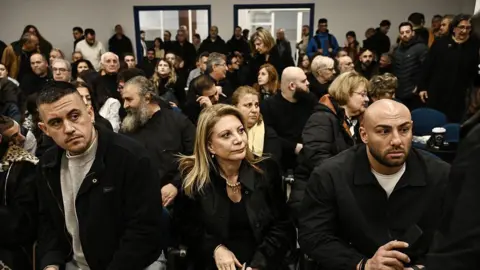
The NSW Jewish community has accused the government of inadequate protection against rising antisemitism following the tragic attack, which saw 15 lives lost, leading to calls for more rigorous measures.
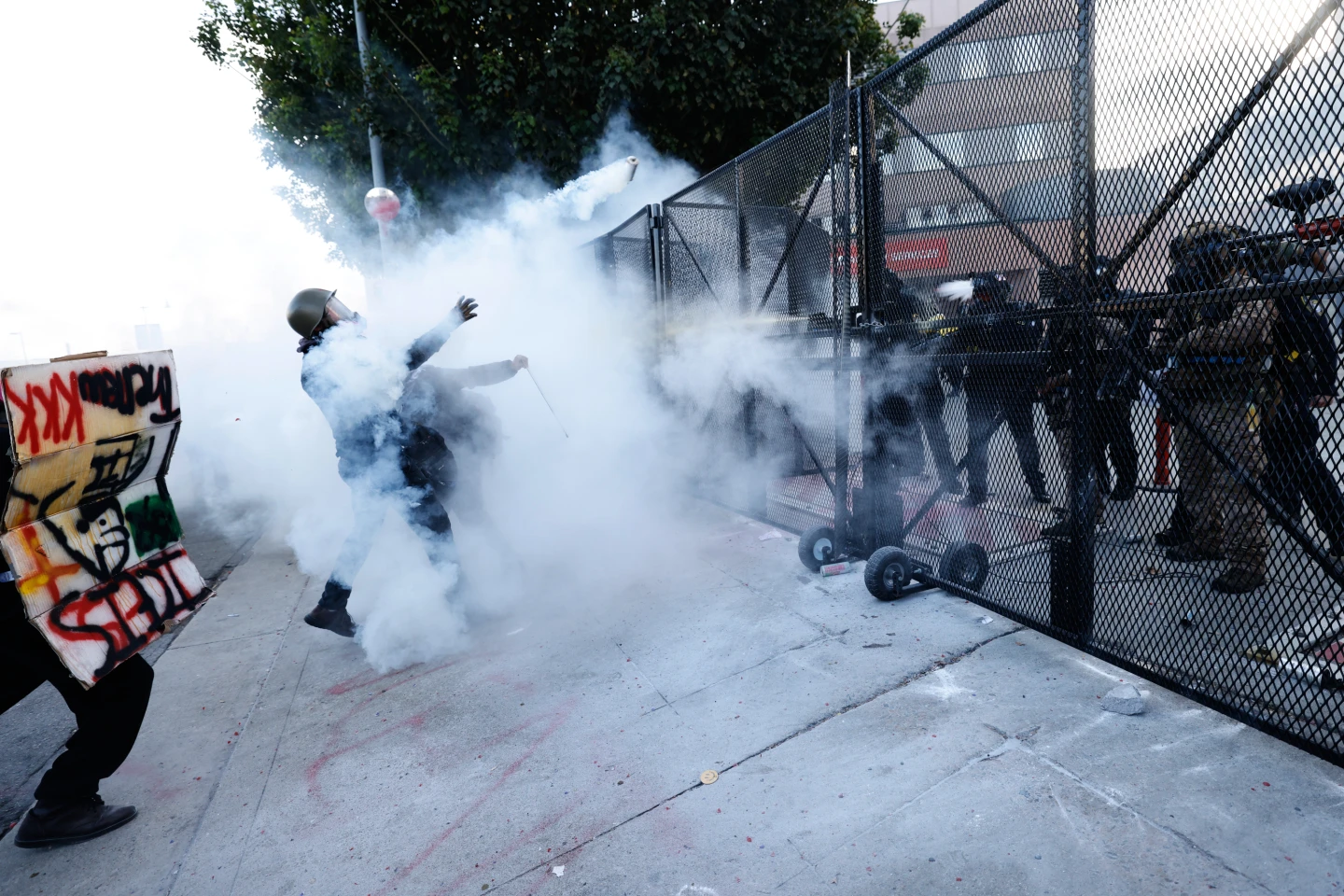
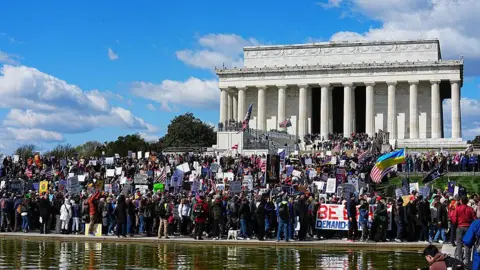
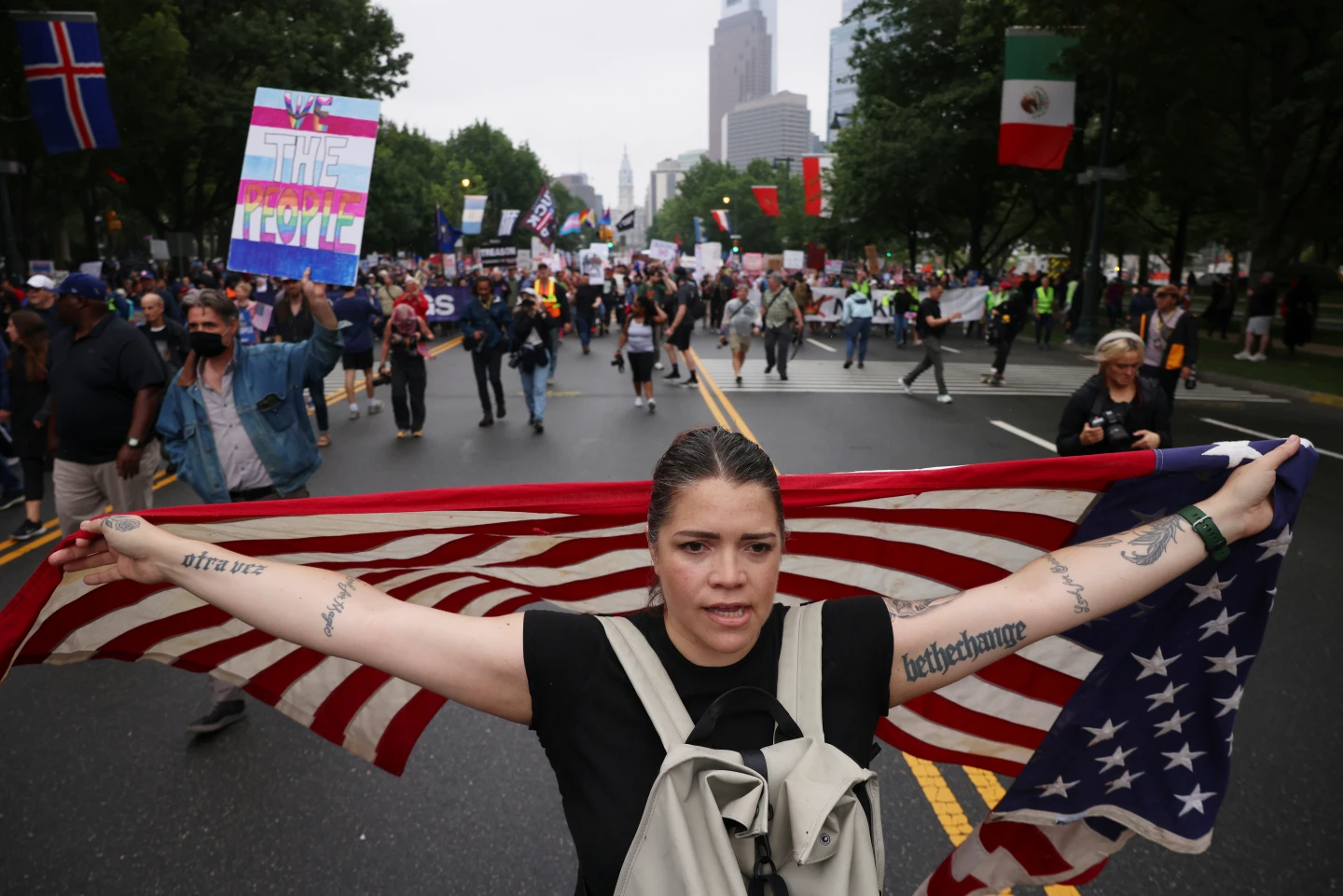
The proposed protest laws will permit police to restrict gatherings at sensitive sites, like places of worship, and impose stronger penalties for violations. Timothy Roberts, president of the NSW Council for Civil Liberties, condemned these measures, stating they disregard a recent court ruling that insisted on the right to political communication.
Critics, including some within the Jewish community, welcome the limitation on hate-based speech during protests, signifying a complex dynamic within the ongoing policy discussions. Meanwhile, supporters of the faster reform argue it is essential for public safety.
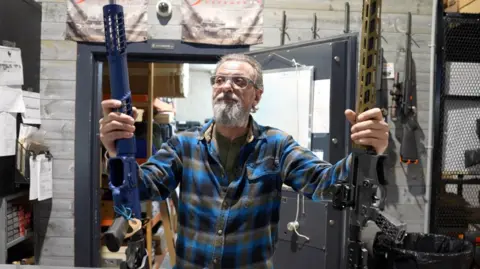
New provisions also earmark stricter limitations on firearm ownership, reducing the number of guns that an individual can possess. Such moves follow similar reforms earlier this year in Western Australia. Advocates stress such changes are crucial for safety, while others argue they penalize responsible gun owners and overlook deeper societal issues.
The unfolding debate encapsulates a vital crossroads for Australia's approach to public safety, civil liberties, and the ongoing need for nuanced dialogue post-tragedy.