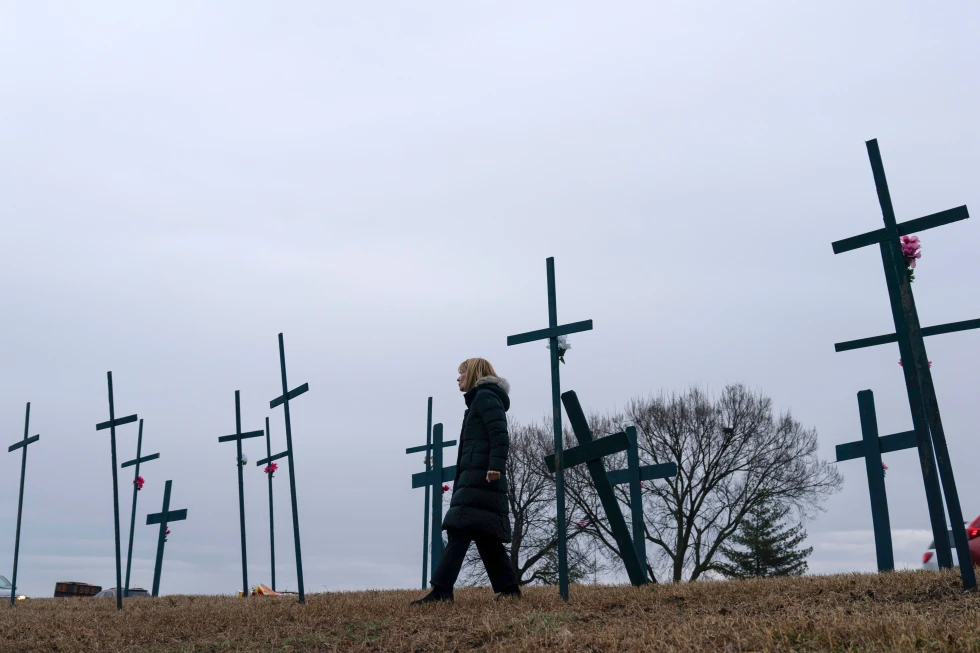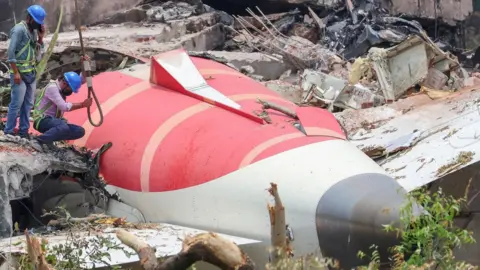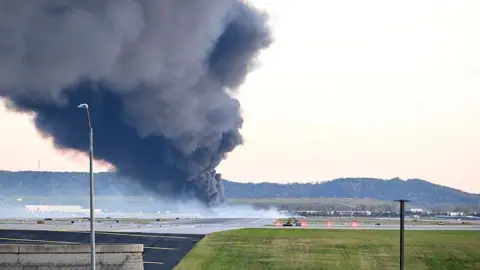
WASHINGTON (AP) — Republican Senator Ted Cruz is advocating for new restrictions on military aircraft operations to be enacted before the government funding deadline next month, in light of the tragic midair collision that occurred over Washington, D.C., in January, resulting in the loss of 67 lives.
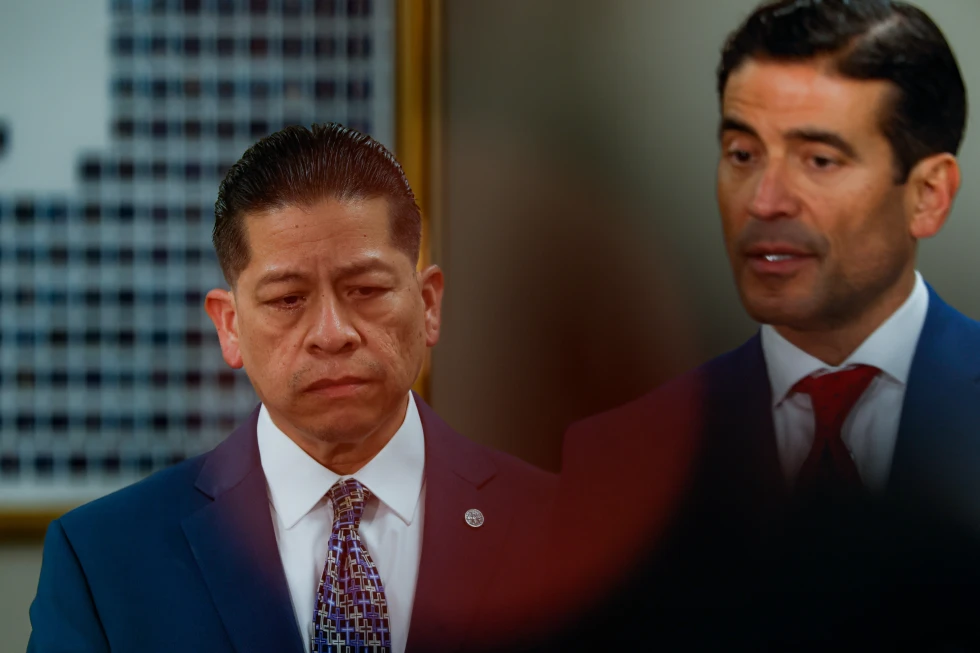
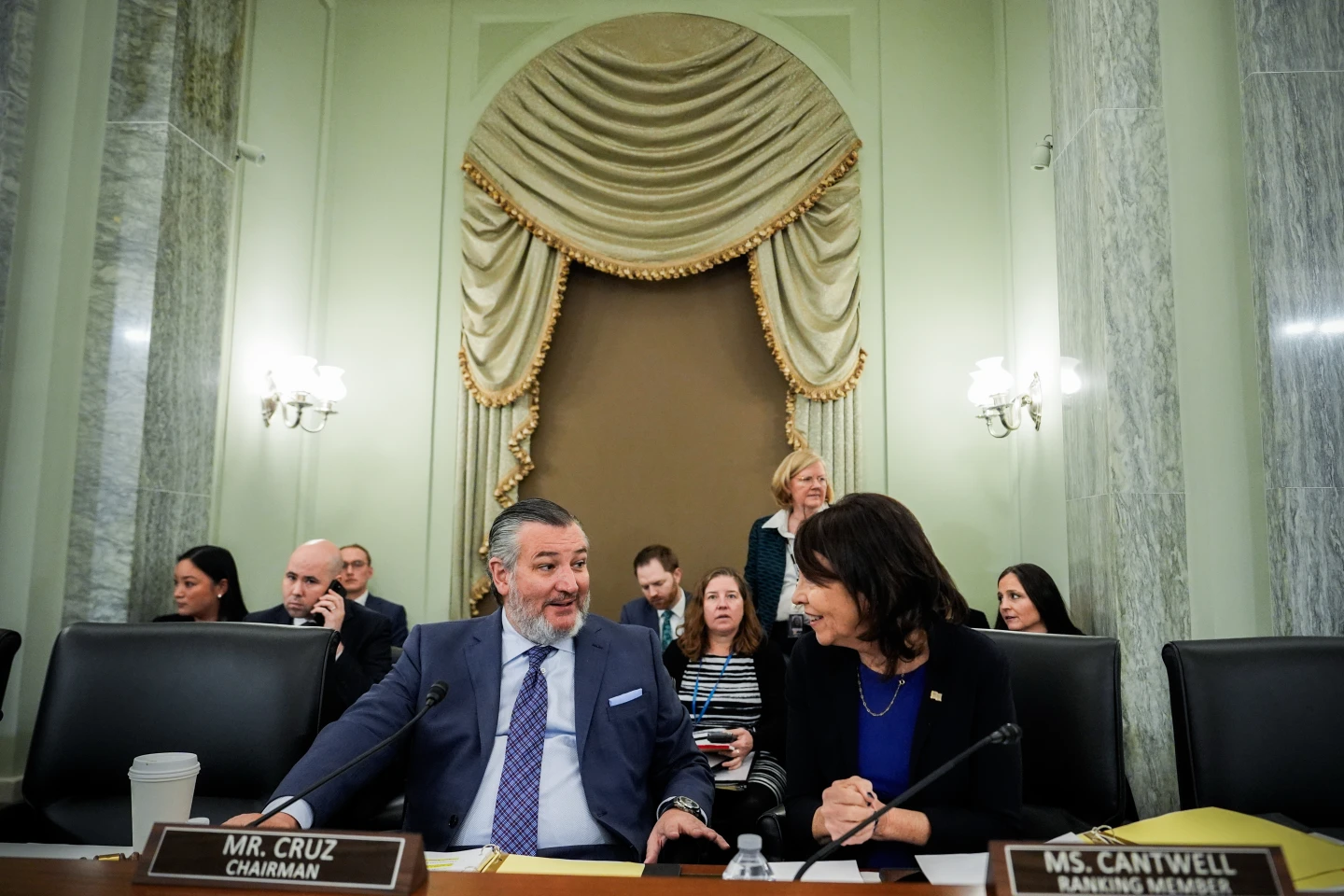
During a news conference held on Monday alongside Democratic Senator Maria Cantwell and several families affected by the crash, Cruz expressed concerns regarding provisions in a forthcoming defense bill. These provisions would grant military aircraft immunity from the requirement to broadcast their precise locations, a step backward in air safety regulation akin to the operational conditions prior to the January collision involving a civilian airliner and an Army helicopter.
Cruz and Cantwell are urging for the removal of these provisions, asserting that it's vital to enhance safety in the high-traffic airspace around the capital. Should the bill remain unchanged, it could delay important pay raises for military personnel and other federally funded initiatives. Given this potential setback, Cruz stated that he would approach this issue in the context of a government funding package in January.
He highlighted the ROTOR Act, which is designed to reinforce transparency and oversight in rotorcraft operations, suggesting that he intends to bring it to the floor for a vote before the end of the continuing resolution next month. The defense bill's current language, according to Cruz, risks eliminating progress made during President Donald Trump's administration regarding aviation safety in D.C.
The call for action follows mounting criticism from various stakeholders, including National Transportation Safety Board Chairwoman Jennifer Homendy, who denounced the relaxed helicopter safety provisions when they became public. Previously, these regulations mandated military helicopters to utilize an important broadcasting system (ADS-B) that became a federal requirement in March—all aircraft must now disclose their locations in populated airspaces.
Cruz stated, “The special carve-out was exactly what caused the January 29th crash that claimed 67 lives,” emphasizing the importance of maintaining strict guidelines for military air navigation in the capital region. The implications of the defense bill's provisions could undermine previously instituted safety measures aimed at preventing further accidents.
Advocates for the proposed changes, including the families of the victims from the crash, voiced their fears that the relaxation of operational standards would jeopardize air safety, calling on lawmakers to respond decisively to avoid potential tragedies in the future.
As the Senate continues discussions regarding the defense bill, Cruz's efforts underscore a commitment to ensuring air transportation safety in one of the most heavily trafficked airspaces in the nation, as he seeks to enhance crucial federal regulations regarding military flights.