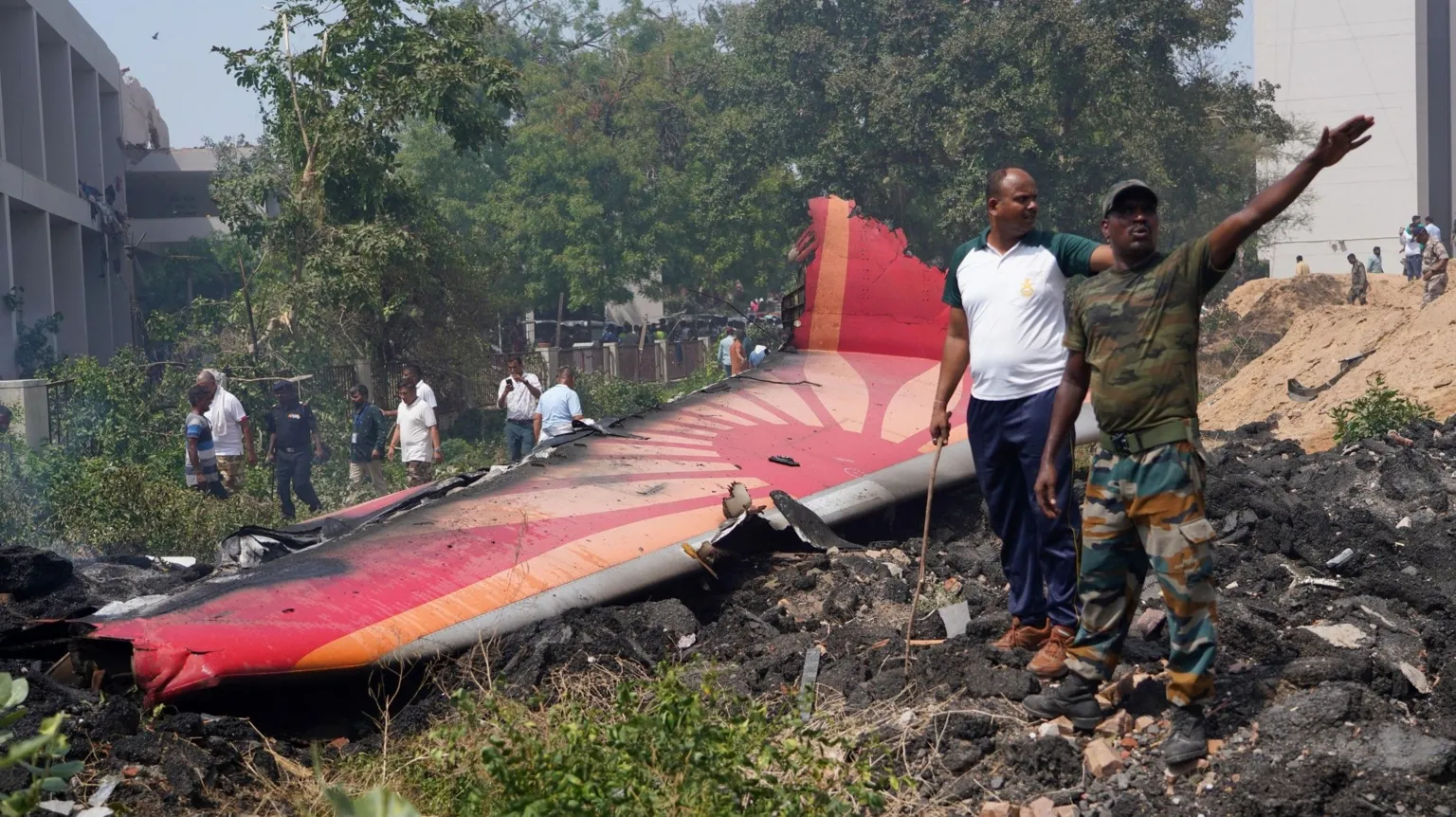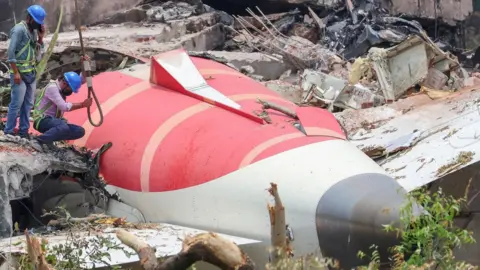
Aviation safety campaigners in the United States assert that the Air India Boeing 787 Dreamliner that crashed on June 12, 2025, shortly after departing Ahmedabad for London, had a troubling history of safety defects prior to the accident.
The crash claimed the lives of 260 people, prompting investigations into its causes. The Foundation for Aviation Safety, a US-based advocacy group, claims to have gathered documents that reveal the aircraft faced multiple technical failures throughout its service, including an in-flight fire.
The organization has submitted its findings to the US Senate, indicating that the plane suffered from a range of engineering and maintenance problems from its first day in service, which began in 2014.
According to the Foundation, issues varied from electronic faults to wiring damage and overheating of components. A notable incident included a fire in a power distribution panel in January 2022, resulting in severe damage that required a complete replacement of the panel.
While the official investigation by India's Aircraft Accident Investigation Bureau is still underway, initial reports drew attention to the fuel control switches that were moved to a 'cut-off' position during takeoff, leading to engine failure. This has sparked debates about possible pilot error, although many experts believe the focus on human error obscures potential technical failures.
Critics, including former Boeing manager Ed Pierson, assert that the official investigation appears to be insufficient given the complexities involved and the potential implications for Boeing's safety protocols. The organization’s concerns encompass a wider range of incidents related to Boeing 787 models beyond the Air India crash.
Despite the scrutiny and the serious implications of the findings, Boeing maintains that the 787 Dreamliner has a strong safety record and that a comprehensive investigation is essential to fully understand the circumstances surrounding the tragic accident.