In brief
Keir Starmer's visit to China marks the first by a British Prime Minister in eight years, amid a backdrop of revived diplomatic engagement that includes leaders from multiple nations making similar trips to Beijing. The UK is keen to capitalize on new economic opportunities, while China aims to reposition itself as a stable global partner. The complexities of this diplomatic thaw raise questions about the future of UK-China relations, especially considering the historical context and the United States' influence on global trade dynamics.
Beijing is not always the most welcoming place in winter.
Frigid air blows in from the north, blast-freezing the city’s lakes and rivers and only the hardiest souls would dare to plunge into the icy water. And yet, in the last two months, leaders from around the world have accepted invitations to the Chinese capital.
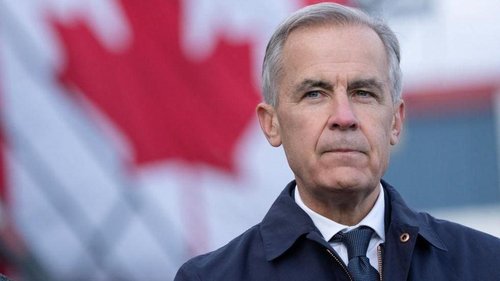
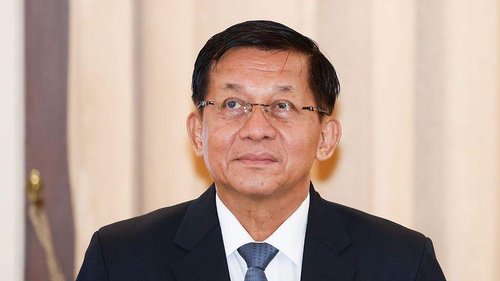
There's been a flurry of visits from France, South Korea, Ireland, Canada and Finland. The German Chancellor is due next month. Among the western leaders making a beeline for Beijing is Sir Keir Starmer, the first British prime minister to visit China in eight years.
He seems to be guaranteed a warm welcome, especially after the UK recently approved plans for a Chinese mega-embassy in London. Officials in China had warned their counterparts that they would not announce the prime minister's visit until this issue was resolved.
Both sides are now ready to get around the table, with new deals on the line to boost the UK's economy. Dr Yu Jie, a Senior Research Fellow at the China, Asia-Pacific Programme at the Chatham House think tank, remarks, If the two sides could move ahead with a reasonable trading relationship, that is already an achievement.
A critical question is how much China views visits by leaders like Starmer as part of a larger geopolitical strategy. For China, this is part of a charm offensive aimed at positioning Beijing as a stable and reliable partner, in contrast to the US.
The dual dynamics of economic reliance and geopolitical caution guide this visit. While the UK wishes to strengthen its trading ties with China—its third-largest trading partner—there are still significant concerns, notably regarding security and human rights issues.
Despite these complexities, Starmer emphasizes he won't choose sides between the US and China, alluding to the delicate diplomatic balance he aims to maintain. Analysts believe China remains pragmatic, realistically assessing its ability to affect the UK's traditional alliances without overly relying on them.
Yet, the historical context remains poignant. What was once named a 'golden age' for UK-Chinese relations has evolved into what Starmer has called an 'ice age'. The trajectory of their relationship points towards a potential thaw, though full restoration of past relations seems distant.
In Beijing's Hutongs, one finds reminders of the shared history: a British beer brewed in Scotland now served in a local pub reflects the intertwining of cultures amidst past tensions. As Starmer prepares for this critical engagement, both nations seek to navigate a path forward, understanding the importance of diplomacy against a backdrop of global uncertainties.