Democrats on Wednesday celebrated an election win in Virginia that could place them at a slight advantage in the national redistricting competition, a battle sparked by former President Donald Trump's maneuvers to secure his party's congressional majority ahead of the midterms.
The Virginia Supreme Court will now examine allegations that Democratic lawmakers breached procedural mandates by referring a constitutional amendment to the ballot, which would sanction new U.S. House districts potentially beneficial to Democrats. If these claims are upheld, the recent voter-approved map could be invalidated.
Meanwhile, developments in Florida are also set to shape the redistricting landscape.
The state’s Republican-dominated Legislature is slated to convene next week for a special session called by Governor Ron DeSantis, aimed at designing a new map to bolster the party's congressional representation. Furthermore, the U.S. Supreme Court is expected to release its ruling by June regarding a Louisiana case that could result in substantial alterations to voting districts throughout the South starting from 2028.
With Virginia's amendment passing, Democrats tentatively assert they have netted 10 congressional seats nationally through mid-decade redistricting efforts, compared to the nine claimed by Republicans. However, any shift in favor of the GOP may only yield a marginal increase in Republican-leaning districts, particularly as Trump's overall popularity wanes and concerns about Republican losses in November mount.
After the Virginia vote, Democratic National Redistricting Committee President John Bisognano stated, We have successfully blunted Trump’s attempt to completely hijack the midterms.”
Many Republican commentators shared concerns about their party's performance. Ari Fleischer, a former spokesperson for President George W. Bush, remarked, “The GOP will now lose net seats across the country. If you’re going to pick a fight, at least win it,” underscoring a perceived tactical error in the redistricting strategy. Adam Kincaid, from the National Republican Redistricting Trust, countered that it is premature to call a victory for either side at this stage.
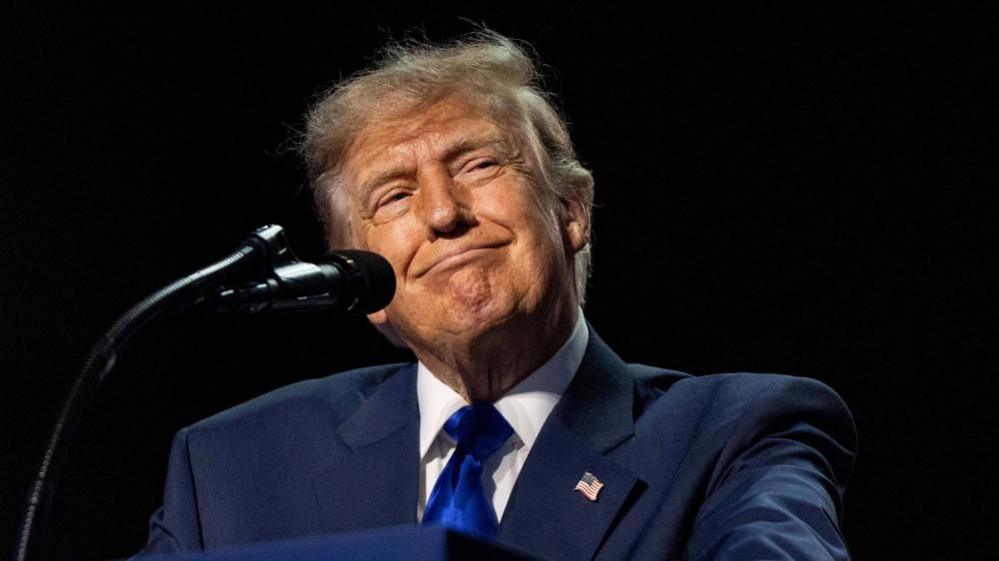
Trump cast doubt on the Virginia results, echoing accusations of mass fraud reminiscent of claims made following the 2020 presidential election. He declared the outcome was “RIGGED” and predicted that courts may intervene to address perceived injustices.
Redistricting efforts, generally executed every decade post-census, have been an ongoing point of contention. Following Trump’s provocations last year for redistricting in Texas, multiple Republican-led states have taken similar actions, including reshaping precincts to favor GOP candidates. In response, Democrats have attempted to safeguard their interests where possible, notably in California, under Governor Gavin Newsom’s guidance.
As the national redistricting landscape remains fluid, the implications of these shifts will become clearer in the lead-up to crucial elections, with a significant focus remaining on potential court rulings that may further reshape political maps.