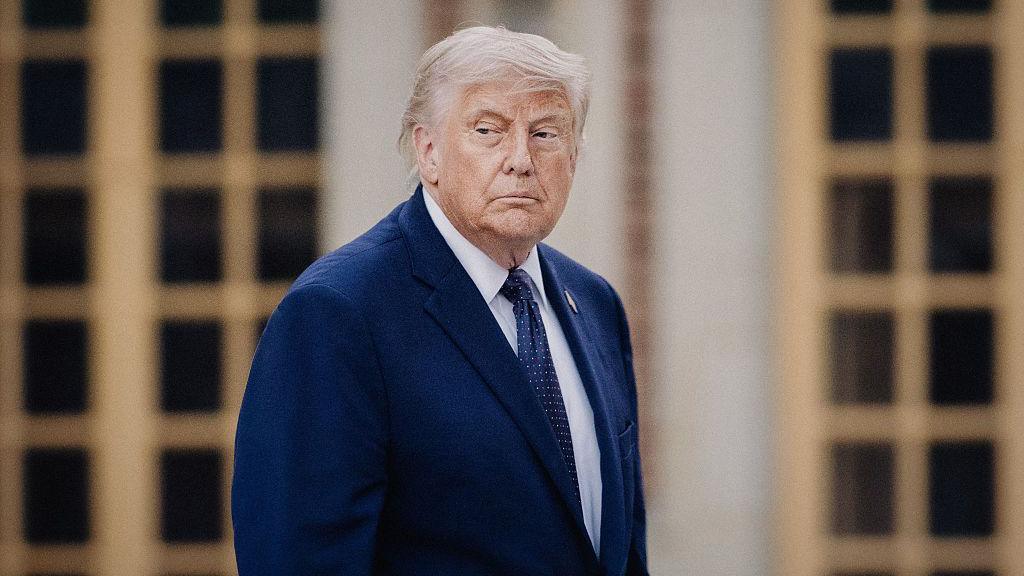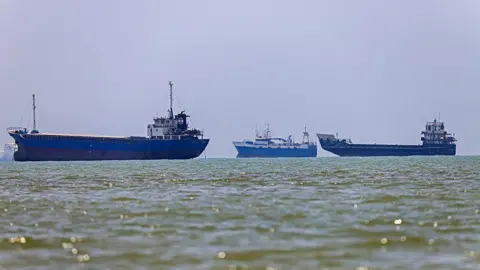
Global oil prices have jumped after US President Donald Trump stated that its navy had intercepted and seized an Iran-flagged cargo ship.
The Brent crude benchmark oil price rose by more than 4% to $94.20 (£69.60) a barrel, reversing a fall on Friday when Iran said the Strait of Hormuz would be completely open to commercial vessels for the remainder of the ceasefire.
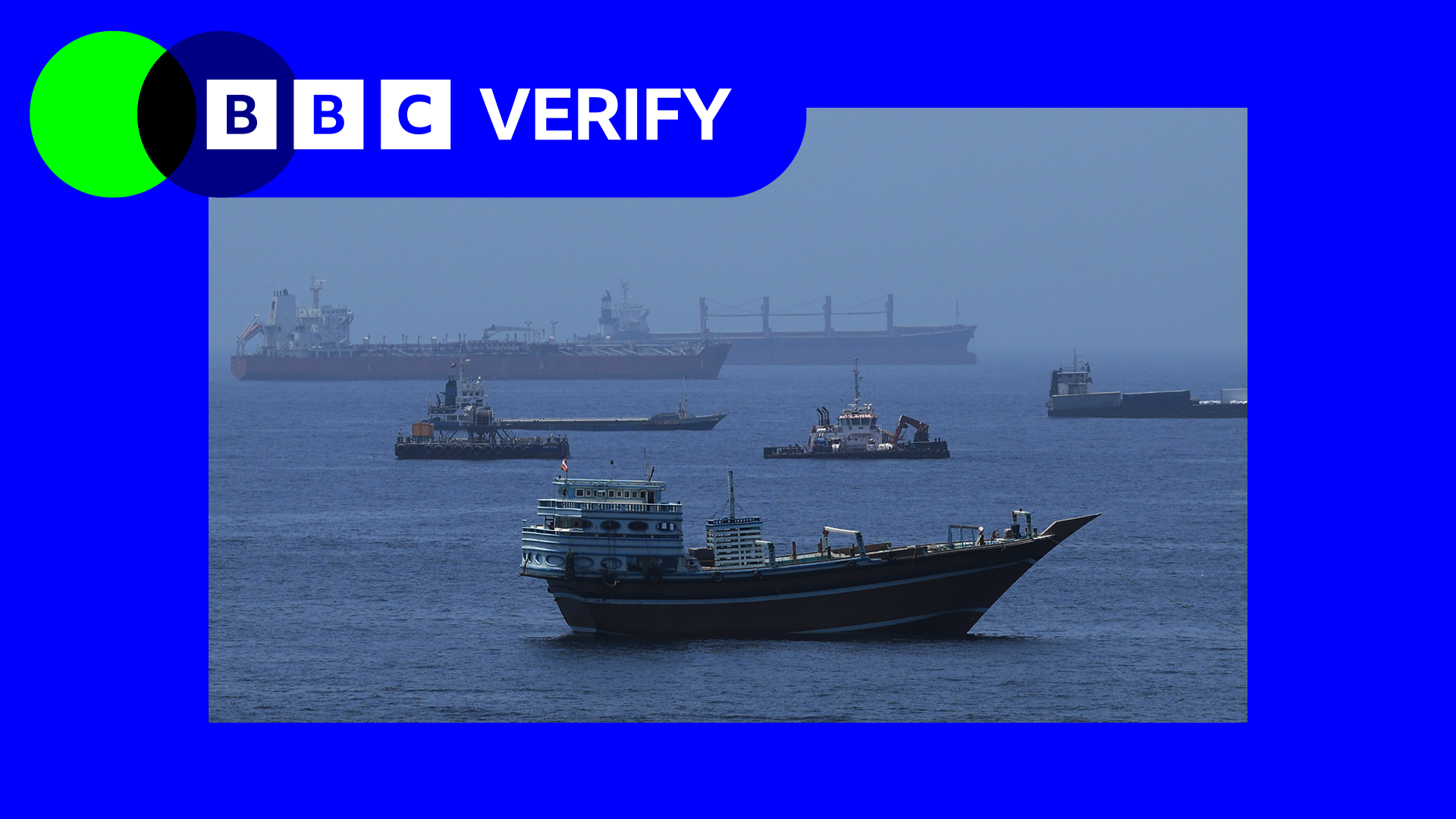
On Saturday, Iran stated it was closing the strait again and that any ship that approached it would be targeted.
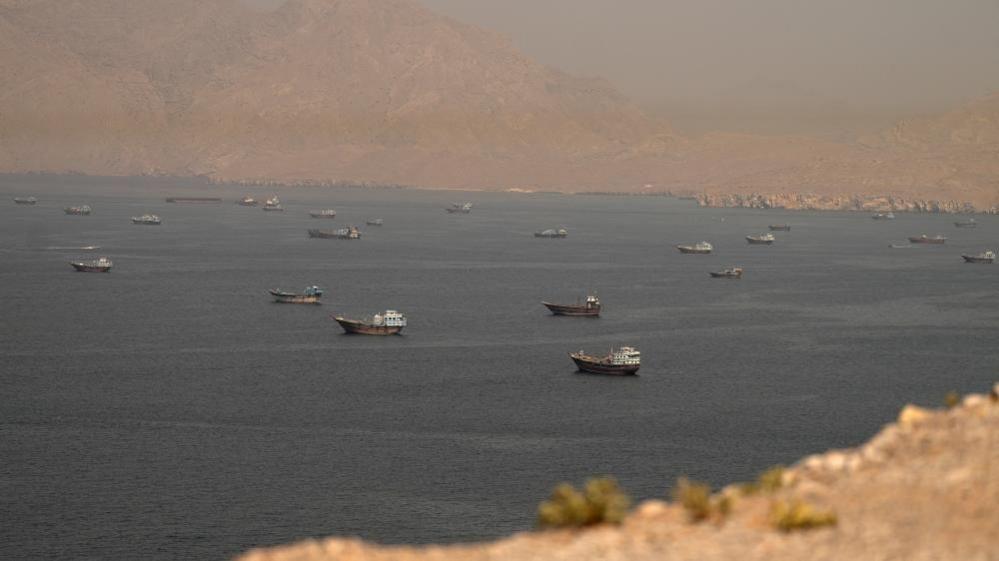
The waterway is critically important as approximately 20% of the world's oil and liquefied natural gas passes through it.
Energy markets have experienced significant volatility since the US and Israel attacked Iran on February 28, leading to threats from Tehran concerning shipping in the strait.
Trump announced that his representatives will be in Pakistan on Monday for negotiations, with Vice-President JD Vance leading the US delegation. Meanwhile, Iranian state media reported that Tehran had no plans for now to participate in the talks, leaving the country's position unclear.
Analysts note that oil markets are reacting to shifting narratives from the US and Iran rather than the actual operational realities surrounding oil flows. Saul Kavonic from MST Marquee stated, Oil markets continue to gyrate in response to oscillating social media posts by the US and Iran. This is all part of negotiations, physically playing out in real time on the Strait of Hormuz.
Shanti Kelemen, a co-chief investment officer at 7 Investment Management, described current market sentiment as experiencing fatigue due to the rapidly changing dynamics, asserting that the market will likely focus more on actions rather than mere words.
As tensions escalated, the Strait of Hormuz remained closed on Sunday following an announcement from the Islamic Revolutionary Guard Corps (IRGC) regarding the end of a temporary reopening amidst a US blockade, which they claim breaches the ceasefire agreement. Trump had previously stated that the blockade will remain until a deal is reached between the two nations.
Stock markets have reacted variably, with indices in Europe experiencing declines while Asian markets showed slight increases.
Since the onset of the Iran conflict, energy prices have showcased extreme volatility, with Brent crude prices swinging between $70 and $120 per barrel as a result of the ongoing crisis. Countries around the globe, especially those dependent on oil from the region, are facing energy supply challenges, prompting various measures such as work-from-home policies and public pleas to reduce energy consumption.