In brief
A boat carrying more than 70 passengers capsized in north‑western Nigeria’s Sokoto State, resulting in at least 46 confirmed deaths and 15 missing people. Police recovered 16 survivors and 46 bodies near Gorau, while rescue teams struggled to reach the remote site. The tragedy is part of a broader pattern of Nigerian riverboat accidents attributed to overcrowding, poor maintenance and lax enforcement of safety rules. Government officials have urged stronger regulation, safer vessels, life‑jackets, dredging and trained operators, but many of these measures remain unimplemented. Rivers continue to be vital transport arteries for rural communities, underscoring the urgent need for safer waterway travel.
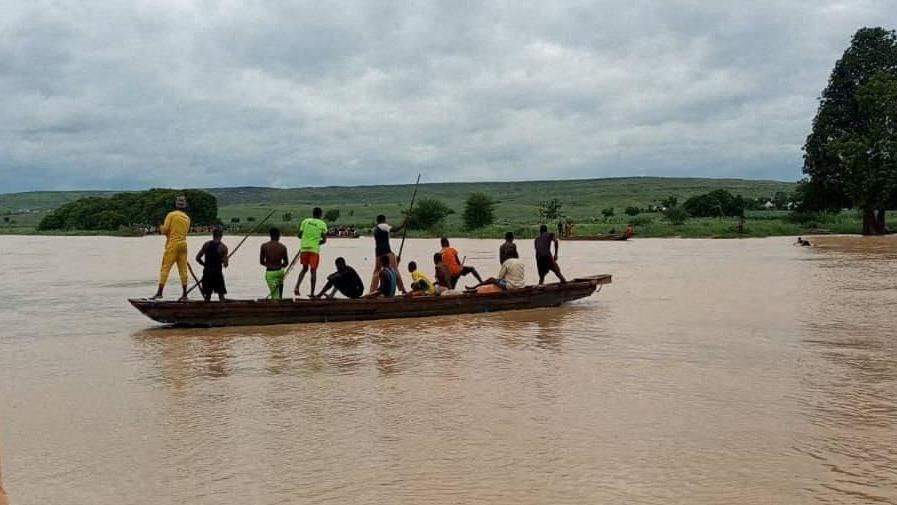
At least 46 people died when a boat, believed to be carrying more than 70 passengers, most of them children, capsized on a river in north‑western Sokoto State, Nigeria. Police recovered 16 survivors, while 15 people remain missing.
The incident occurred near Gorau in Gorony, a remote area that is difficult to access. Rescuers and security agencies are working to reach the site and locate the missing, with the emergency management agency (NEMA) emphasising the austere conditions.
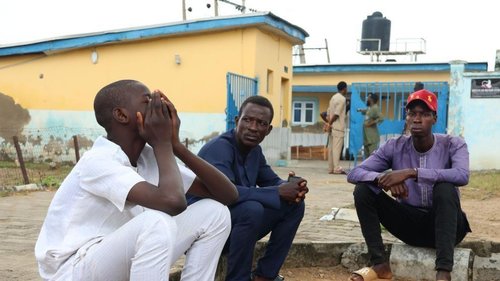
Witnesses said that many bodies, wrapped in traditional cloth, were found around a community mosque before the burial preparations began. The victims were thought to be travelling with farm owners to a rice harvest.
Boat accidents are frequent in Nigeria, where overcrowded vessels, aging construction, and weak enforcement of safety regulations often lead to fatalities. Similar incidents in recent months have claimed dozens of lives in Jigawa and Yobe states, and a December 2024 tragedy on the River Niger involved 54 fatalities from a vessel that may have carried over 200 passengers.
Responders have recommended several measures: safer boats, mandatory life‑jackets, dredging of waterways, deployment of water guards at jetties, and proper training and licensing for boat operators. However, many of these proposals have not been fully adopted or enforced, leaving communities vulnerable.
In rural Nigeria, rivers serve as essential transport links. Villages located along waterways rely on boats to move people and goods, especially where roads are poor or bridges scarce. As such, improving waterway safety is critical for the wellbeing of those who depend on these routes.