A recent internal audit from the U.S. Environmental Protection Agency (EPA) highlights alarming issues regarding the safety of contaminated sites across the United States. The report indicates that approximately 100 of the nation’s most hazardous toxic waste sites are located in regions that are particularly prone to flooding and wildfires. This situation raises significant public health and environmental concerns for millions of Americans living nearby.
The EPA's Office of Inspector General released two reports analyzing the vulnerabilities of these Superfund sites, which are prioritized for cleanup due to their risks. An estimated 3 million Americans reside within a mile of these sites, and approximately 13 million live within three miles. The findings suggest that many of these sites are susceptible to multiple natural disaster threats, with 49 located in coastal regions at risk from storm surge or sea-level rise and 31 sites situated in areas that face high wildfire risks.
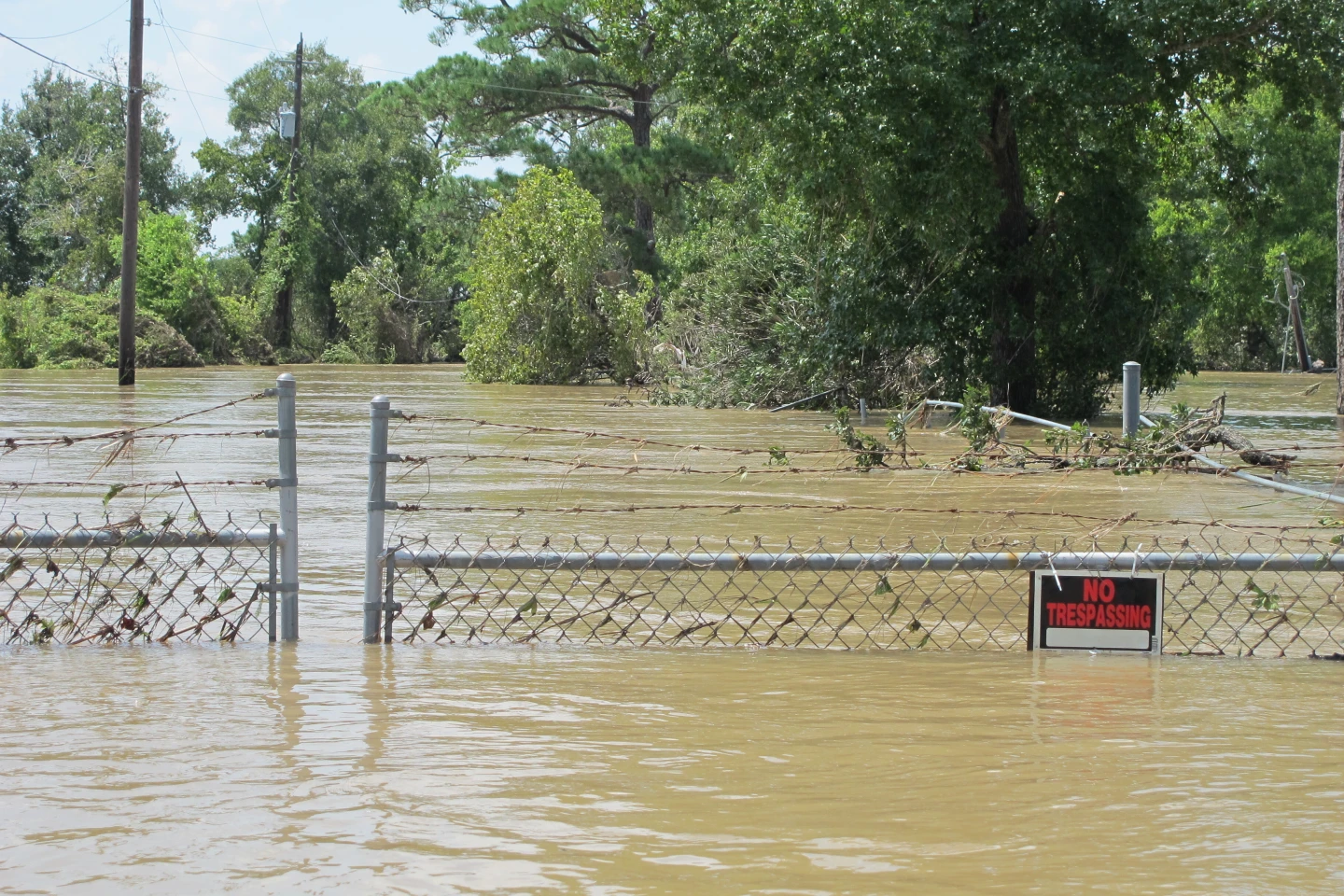
Despite these findings, the five-year cleanup plans often neglect to account for the effects of climate change and extreme weather events. Betsy Southerland, a former EPA water protection division director, pointed out that the absence of adequate planning for floods can lead to the release of contaminants into local communities, potentially leading to health crises and the waste of taxpayer dollars already spent on remediation.
Community awareness and proactive planning are crucial to mitigating these risks as noted by experts. Reports emphasize the critical role of federal facility assessments in addressing potential threats posed by climate change, particularly in light of findings that echo previous investigations revealing additional Superfund sites at flood risk since Hurricane Harvey in 2017.
The EPA stated it is currently reviewing these findings while affirming that they factor in impacts of extreme weather in their planning practices. However, some observers caution that the administration’s reluctance to discuss climate change seriously undermines attempts to address the significant threats posed to these hazardous sites as global warming continues to escalate.
The EPA's Office of Inspector General released two reports analyzing the vulnerabilities of these Superfund sites, which are prioritized for cleanup due to their risks. An estimated 3 million Americans reside within a mile of these sites, and approximately 13 million live within three miles. The findings suggest that many of these sites are susceptible to multiple natural disaster threats, with 49 located in coastal regions at risk from storm surge or sea-level rise and 31 sites situated in areas that face high wildfire risks.
Despite these findings, the five-year cleanup plans often neglect to account for the effects of climate change and extreme weather events. Betsy Southerland, a former EPA water protection division director, pointed out that the absence of adequate planning for floods can lead to the release of contaminants into local communities, potentially leading to health crises and the waste of taxpayer dollars already spent on remediation.
Community awareness and proactive planning are crucial to mitigating these risks as noted by experts. Reports emphasize the critical role of federal facility assessments in addressing potential threats posed by climate change, particularly in light of findings that echo previous investigations revealing additional Superfund sites at flood risk since Hurricane Harvey in 2017.
The EPA stated it is currently reviewing these findings while affirming that they factor in impacts of extreme weather in their planning practices. However, some observers caution that the administration’s reluctance to discuss climate change seriously undermines attempts to address the significant threats posed to these hazardous sites as global warming continues to escalate.