At first glance, the falling Ebola figures in the Democratic Republic of Congo (DRC) paint a hopeful picture. Authorities previously claimed over 1,000 suspected cases and nearly 250 suspected deaths. The latest data list around 380 confirmed cases, including 60 deaths in the DRC, along with 15 confirmed cases and one death in neighbouring Uganda.
State the shift to confirmed cases accounts for a major part of the dramatic number drop. Improved laboratory testing and the exclusion of illnesses such as malaria have clarified earlier records. WHO Director‑General Dr Tedros Adhanom Ghebreyesus noted that the outbreak had a “big head start”, but response teams are now “catching up”.
Despite clearer numbers, public health experts warn the situation remains fragile. Contact tracing is a critical barometer, and the WHO identifies that only 45% of people who have had direct contact with a patient are being followed up. WHO recommends at least 90% of contacts should be traced to bring an outbreak under control, a target difficult to meet in an area plagued by armed conflict and remote, rural terrain.
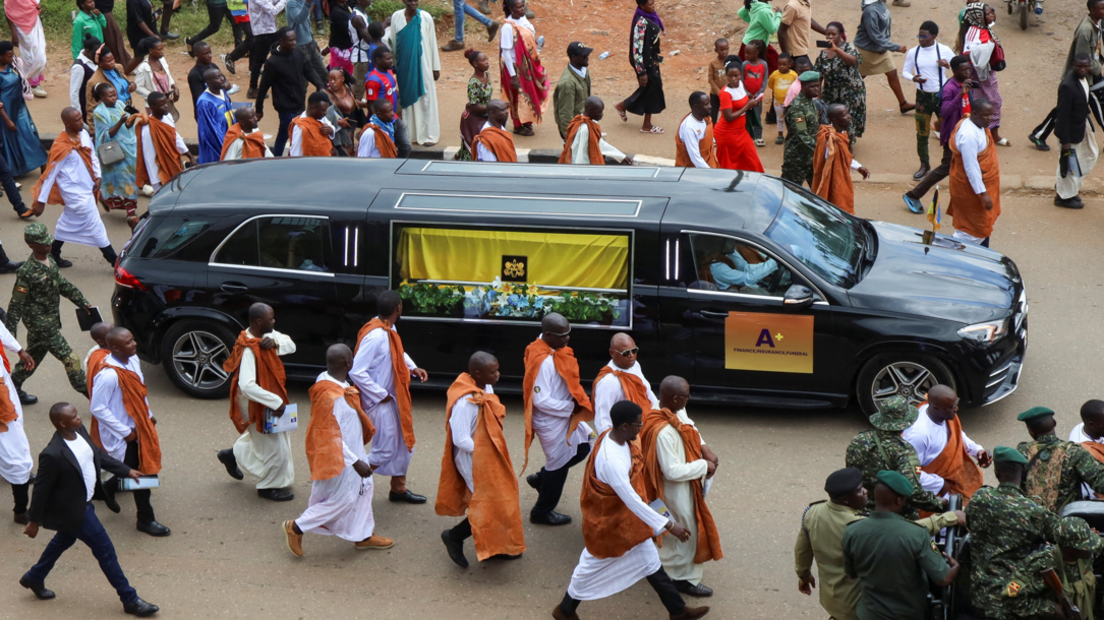
Mistrust of health workers further complicates containment. An Ebola burial team was recently attacked in South Kivu, forcing responders to abandon a coffin and raising concerns of further transmission. Traditional burial rituals often involve contact with the body, drawing large crowds, and representing a high risk for virus spread. Building trust in communities, Dr Tedros said, is “critical to bringing the outbreak under control.”
The outbreak is confined to three eastern provinces of the DRC, roughly the size of the United Kingdom. The region’s volatility, with numerous armed groups stationed in the area, hampers both the spread of the virus and the ability of health teams to reach affected populations.
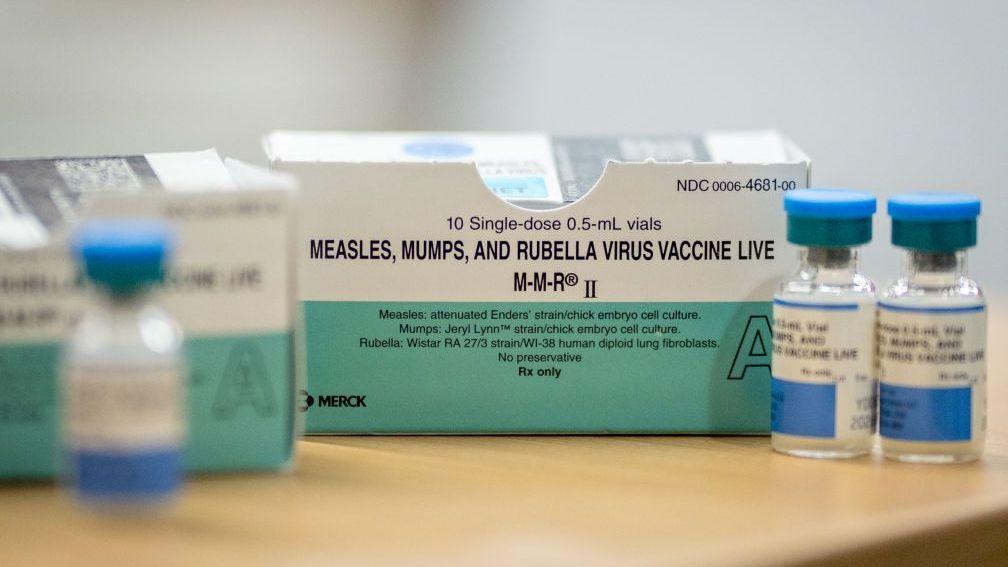
The current strain is the Bundibugyo species of Ebola, a rare type that has surfaced only twice before. Consequently, no specific vaccine exists, and treatments are experimental. A number of research teams are probing vaccine candidates, but progress remains uncertain.
In the global context, the US Centers for Disease Control and Prevention warned that without robust public health intervention, the current outbreak could match or exceed the magnitude of the 2014‑16 West African epidemic. The US announced an additional $38 million ($28 million sterling) for Ebola “response efforts”, raising the overall funding beyond $200 million.
UK officials refuse to deploy temperature checks for flights arriving from affected regions, citing limited effectiveness. They recall that during the 2014 West African outbreak, 12,000 passengers were screened at UK airports without catching the sole case, that of nurse Pauline Cafferkey.
Professor-of-Medical-Research experts underscore that while the virus is not airborne and unlikely to spread worldwide, its mortality—up to about 70% in some outbreaks—remains a serious concern. The WHO rates the local risk as very high within the DRC, high regionally, but very low globally.
In conclusion, the decline in reported numbers is more a reflection of better diagnostics than an imminent containment of the disease. Continued vigilance, increased contact tracing, community engagement, and swift deployment of clinical resources are essential to neutralise the threat.