In brief
The European Court of Human Rights ruled that Turkey’s prolonged detention of Osman Kavala was unlawful, citing politically motivated charges and a life sentence that violated the principle of humane treatment. Kavala, who has long been a civil‑society icon, was accused of orchestrating 2013 protests and a 2016 coup attempt, but his convictions have been repeatedly struck down. The court’s decision underscores systemic problems in Turkey’s judiciary, particularly the suppression of dissenting voices and the politicisation of the criminal justice system. Turkey remains a founding member of the Council of Europe, but its failure to implement earlier ECHR rulings has raised concerns of a potential breach of the rule of law.
The court declared that Osman Kavala’s extended detention, carried out on the basis of charges linked to Greece Park protests and a failed coup attempt, violated his right to a fair trial and constituted inhuman treatment.
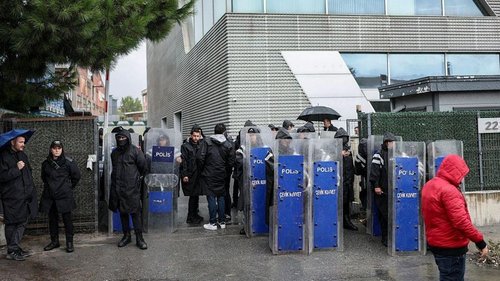
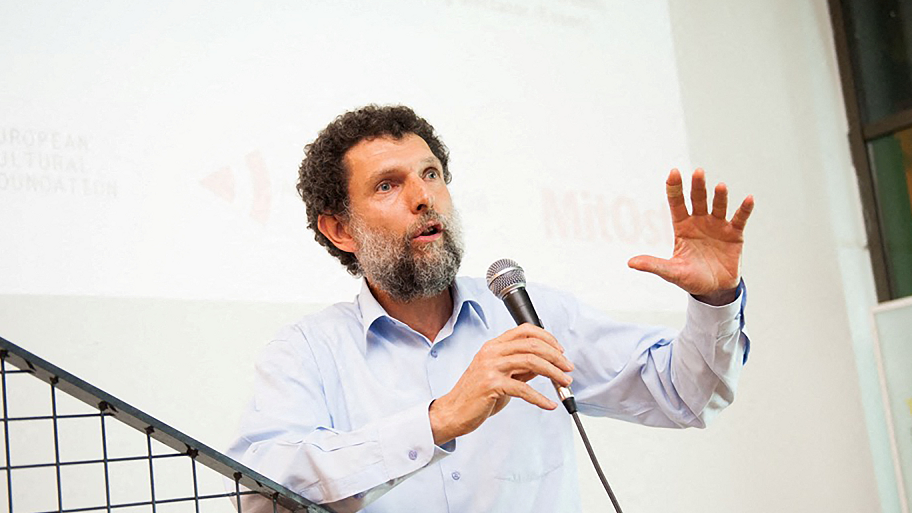
Kavala, 68, has become a symbol of opposition to Turkey’s crackdown on civil society. Arrested in 2017, he was sentenced to life imprisonment in 2022 on allegations that he financed protests that began in Istanbul’s Gezi Park in 2013 and later alleged connection to a 2016 military coup plot.
Human‑rights organisations have long argued that the charges against him were politically motivated. In 2019 the ECHR demanded his immediate release, describing his detention as arbitrary, but Turkey failed to comply. The latest ruling – the third binding decision in the case – finds the life sentence to be “inhuman and degrading” and orders his immediate release.
The court points out that the case exposes a “systemic problem” in the Turkish judiciary, particularly the detention and prosecution of political opponents, journalists and human‑rights defenders. It calls for structural reforms to ensure independence and impartiality of courts.
Turkish officials, led by President Recep Tayyip Erdoğan, maintain that its judiciary is independent, but the ECHR decision presses Ankara to act. The Council of Europe, which oversees compliance with its rulings, may consider measures ranging from diplomatic pressure to suspending voting rights if the country persistently ignores the court’s orders.
Activists and international observers see Kavala’s release as a potential turning point in Turkey‑EU relations, but uncertainty remains about how far Turkey will go to implement the court’s decision. The case continues to be a focal point for discussions about human‑rights conditions in Turkey and its adherence to European legal standards.