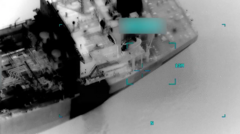
On 12 June 2025, an Air India flight skidded off a runway near Ahmedabad, killing 241 people on board and 19 on the ground. The disaster, the worst in India’s aviation history, triggered an emergency response that was overwhelmed by the scale and severity of the wreckage.
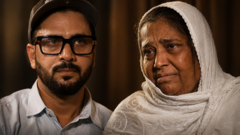
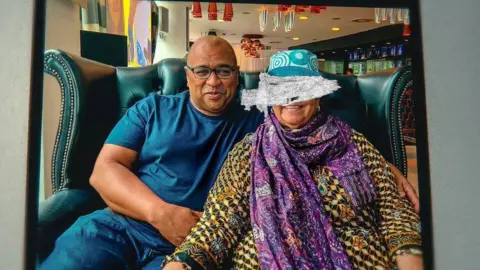
One of the families directly affected is that of Miten Patel. He travelled to Ahmedabad with his brother to bring dental records for his parents, Ashok and Shobhana. After the crash, without having prior knowledge of India, Miten was guided by hospital staff to become part of a massive identification effort.
The identification of remains took more than a week before the Patels’ bodies were returned to the UK. The following month, Miten was contacted by UK police and asked, in silence, to attend a meeting that would only later be explained. A CT scan revealed that the casket of his mother also contained skeletal remains of another unidentified man, a fact that remained undisclosed for weeks.
Despite Miten’s insistence that he separate his mother’s remains, forensic analysis confirmed that her bones had been intermixed with those of the unknown person. A UK coroner’s inquiry, opened nearly a year after the crash, still has no name for the unclaimed remains. Fiona Wilcox, the coroner, stated the process was “obviously very unusual” for such delay.
The disaster involved over 90% charred bodies, making visual identification difficult. Dental records were thought to offer faster detection, but the primary protocol in India was DNA testing, which overwhelmed the Gandhinagar lab and caused significant back‑log. The National Disaster Management Authority (NDMA) subsequently updated its guidelines, emphasizing the necessity of regional DNA facilities and more extensive use of dental records.
Bringing 260 victims’ remains to the various families proved logistically complex. Teams divided the crash site into separate zones, numbered body parts, and forwarded samples to local laboratories. Families were asked whether they wanted the complete body returned, a request that further extended the timeline.
The challenges of maintaining the separation of remains are especially prominent when bodies are fragmented, leading to commingling—mixing of multiple victims’ remains. According to Dr Deepak Venkatesh, a forensic expert involved, no family members had formally contested the identification, yet the situation remains acute.
In addition to the Patel family, another case highlighted similar issues: Amanda Donaghey mistakenly received the remains of a 70‑year‑old Indian woman, believing they were her son’s. Donaghey continues her search for her son’s body, illustrating the broader scope of identification problems post‑crash.
The Indian foreign ministry stated it had been working with the UK side “since these concerns surfaced.” Nonetheless families report no transparency or accountability from officials handling the victims. Lawyer James Healey‑Pratt noted that no Indian authority accepted responsibility, calling the situation “highly embarrassing” and exposing a significant competence gap.
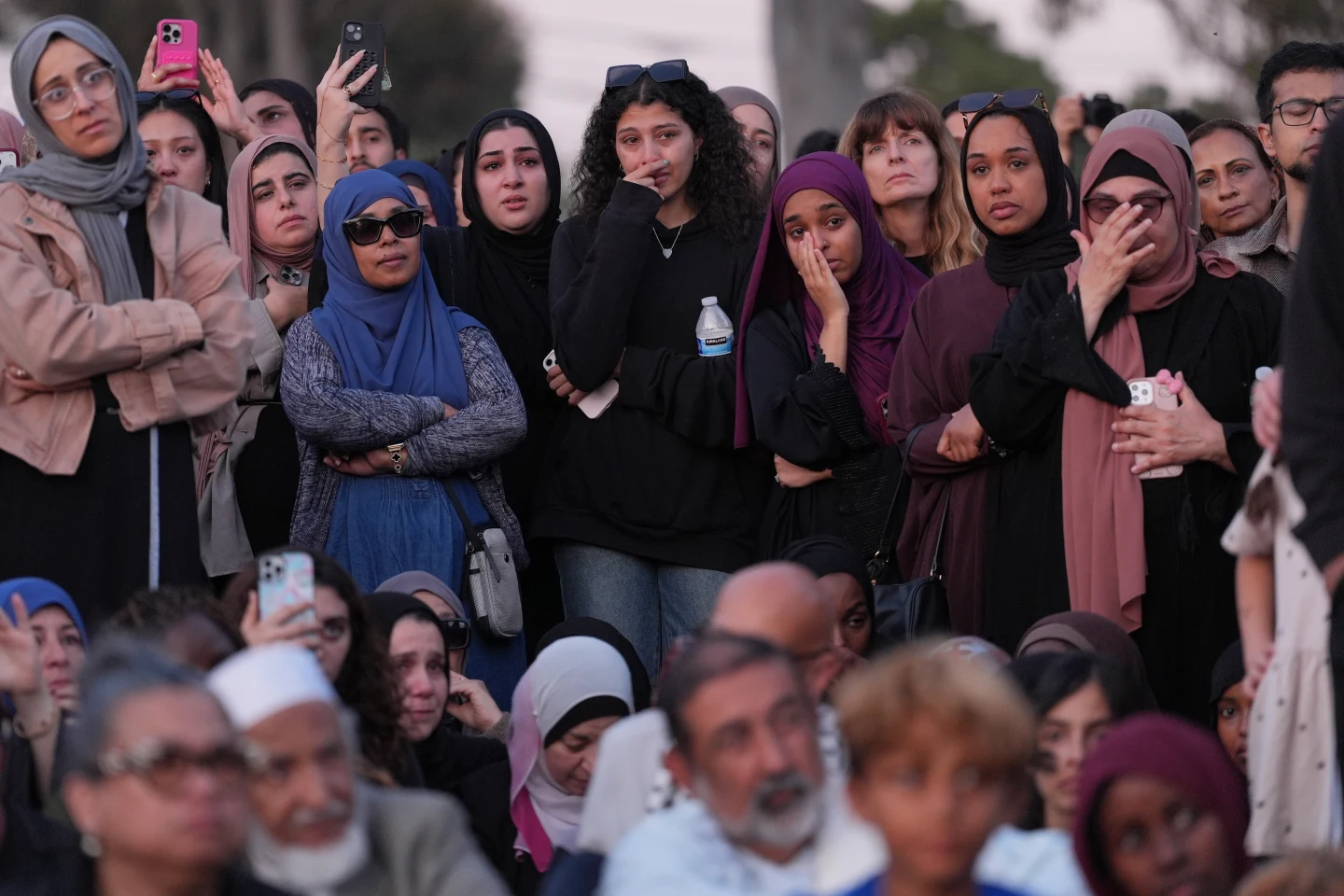
Ultimately, the Patels, like many others, continue to search for closure. Miten’s nightly retreat to watch video footage of his parents and his ongoing legal battle represent the broader struggle for dignity and recognition after a national tragedy.