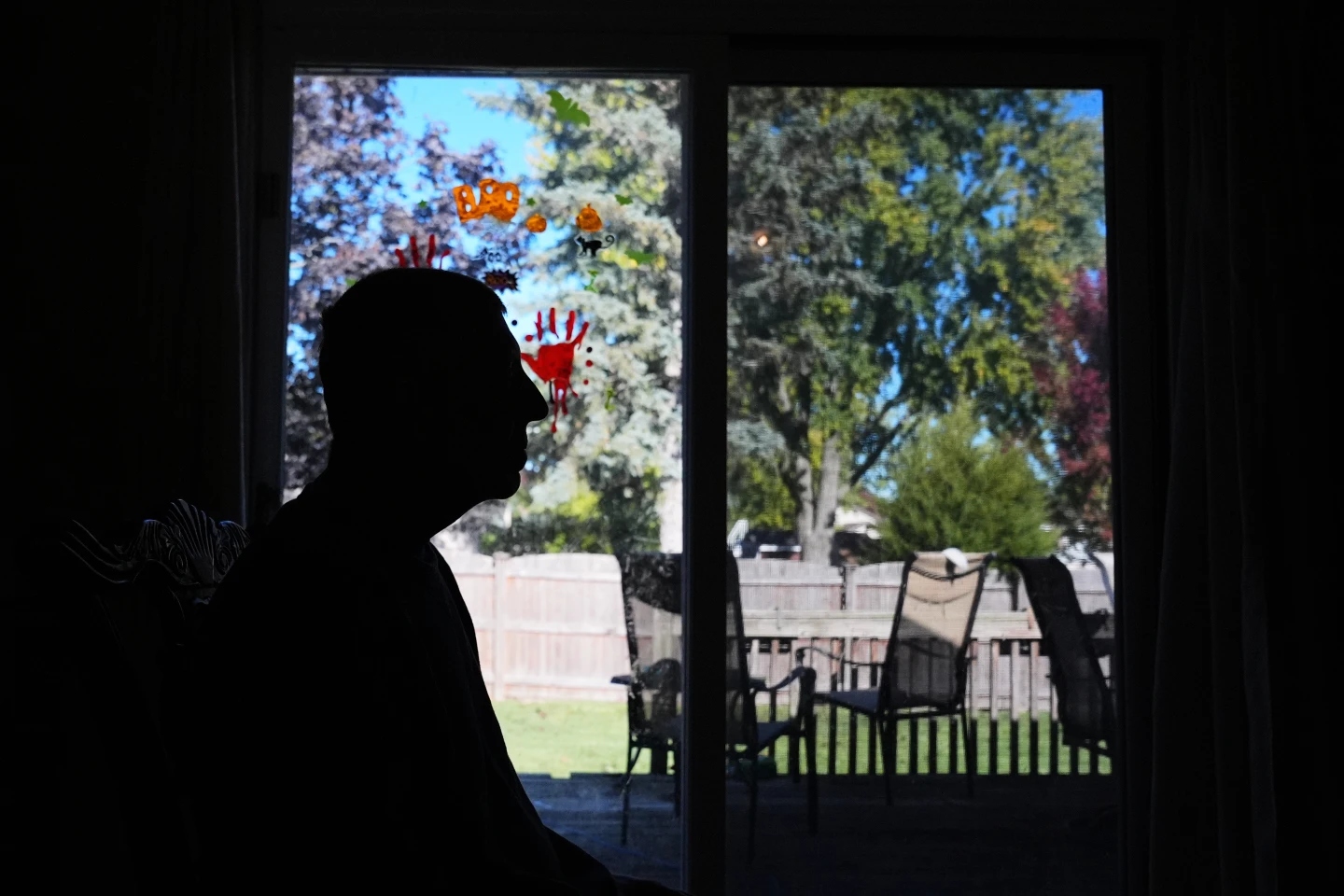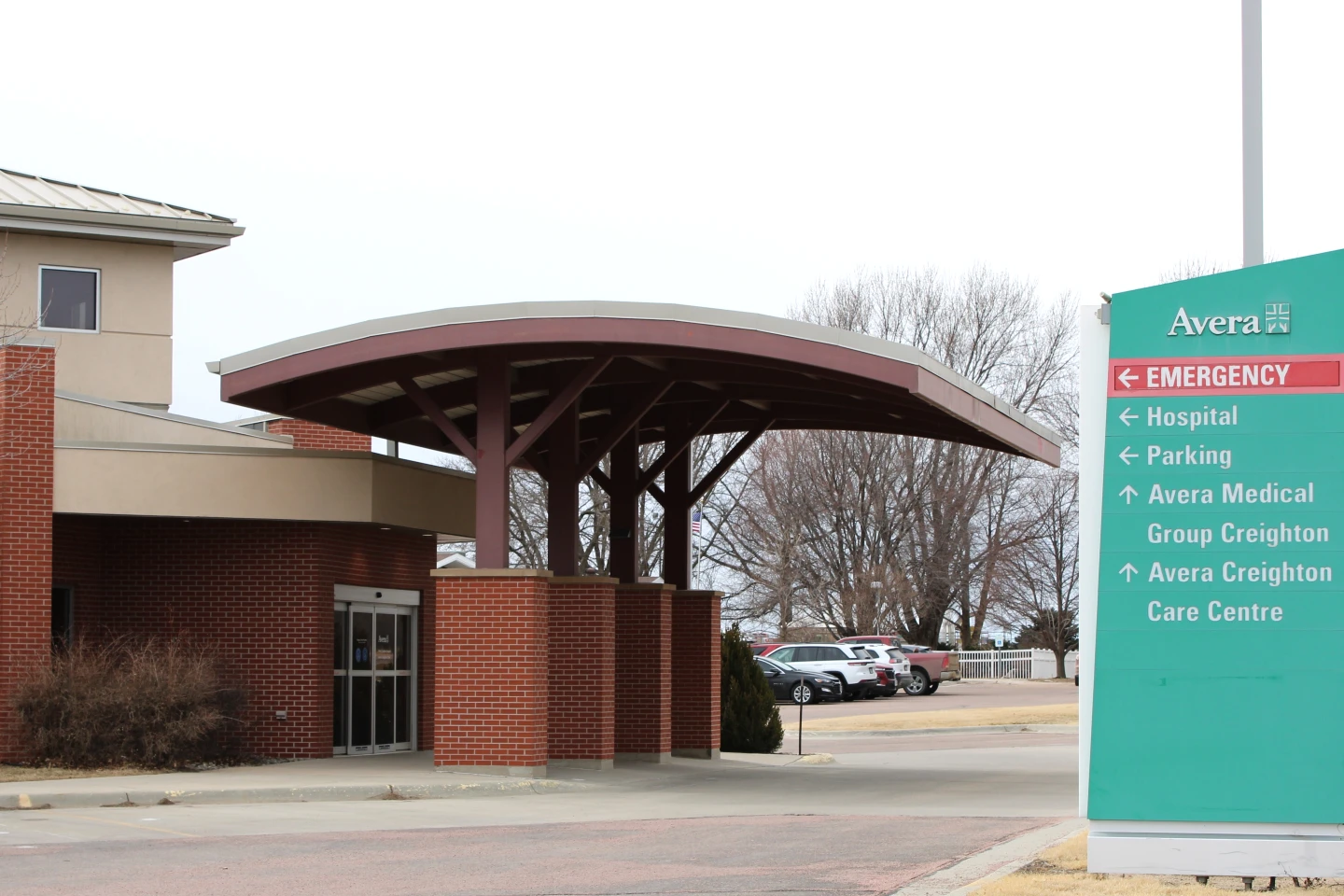
CREIGHTON, Neb. (AP) — Rick and Jane Saint John chose to live in Creighton, Nebraska, largely due to its critical access hospital, which offers vital services for their child diagnosed with nonverbal autism and epilepsy. Jane, an employee at the hospital, attributes her survival from a severe illness to the hospital's quick response. However, the couple was dismayed to learn that their local hospital faces significant financial difficulties, which reflects a broader crisis affecting rural healthcare across the nation.
Recent studies indicate that rural hospitals are struggling financially, with many closing or on the brink of doing so due to years of inadequate funding. The situation worsened after the Trump administration made severe cuts to Medicaid last summer, directly impacting the support these hospitals historically depended on. Rick Saint John articulated the emotional weight of this issue, recalling how timely hospital access saved Jane's life.
The $50 billion Rural Health Transformation Program, touted as a major initiative by federal officials, seems insufficient to address the looming threats these hospitals face. Critics argue the funding, meant for innovative healthcare solutions, does little to support hospitals fighting for survival. Dr. Ben Young from the Wellness Equity Alliance expressed skepticism about this funding genuinely aiding struggling facilities.
The ramifications of these funding issues are particularly relevant as the midterm elections approach, raising questions about healthcare accessibility and costs amidst rising living expenses. The Nebraska Hospital Association alongside other groups is pushing back against the narrative that rural healthcare needs to be transformed instead of directly supported.
In response to financial pressures, some states are taking matters into their own hands. For instance, Wyoming has authorized rural hospitals to file for Chapter 9 bankruptcy, allowing them to reorganize their financial obligations in face of fiscal distress. Additionally, North Dakota is mobilizing funds to support a rural hospital crucial to its community. However, experts like Young caution that without immediate support, the future of many rural hospitals remains dire.