Spain is set to establish a national network of climate shelters in public buildings to offer refuge from intense heat before next summer, as announced by Prime Minister Pedro Sanchez during a conference in Madrid.
The initiative comes in light of devastating droughts and heatwaves that have become increasingly common. Some summers, it's not separate waves we face, but one long heatwave stretching from June through August. This is now the new normal, Sanchez stated.
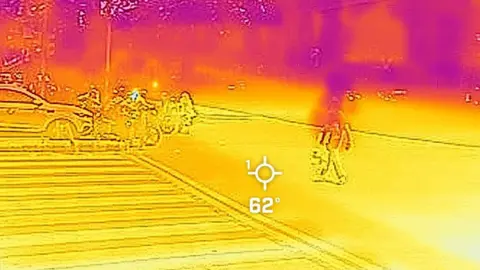
This past summer, Spain recorded its hottest season and faced three significant heatwaves, including one lasting 16 days in August where temperatures exceeded 45C (113F), according to the State Meteorological Agency (AEMET).
The planned network of shelters will provide cool spaces for the general public and will be funded by the government in regions most affected by extreme heat, as Sanchez emphasized. The rollout will supplement existing networks in regions such as Catalonia, where around 400 climate shelters are already operational in libraries, museums, and other facilities.
These air-conditioned shelters will provide seats and free water, primarily aimed at protecting vulnerable populations, including older individuals, those with health issues, and families without adequate resources.
Additionally, Sanchez announced funding for flood prevention and fire plans, totaling €20 million, as part of a broader strategy to combat climate impacts, urging political cooperation on climate solutions. The presented proposals will need approval from Spain's Congress of Deputies.
Experts note that the increased frequency of heatwaves is linked to human-induced climate change, with over 3,800 heat-related deaths reported this summer — an 88% increase from the previous year. Furthermore, Spain suffered through a devastating wildfire season in 2025, with over 400,000 hectares burned.