In brief
Brazilian presidential hopeful Flávio Bolsonaro found his passports cancelled after a Supreme Court directive demanding their surrender in a money‑laundering probe he denies. He has rejected conceding defeat in the runoff against President Luiz Inácio Lula, accusing the process of bias. Justice has seized the passports as part of broader investigations into Bolsonaro family corruption and foreign funding of his campaign. The case highlights judicial tension between presidential powers and the rule of law, drawing scrutiny from domestic allies and critics alike. Analysts argue that the fallout could reshape the shadow dynamics of Brazil’s political elite and influence future electoral reforms.
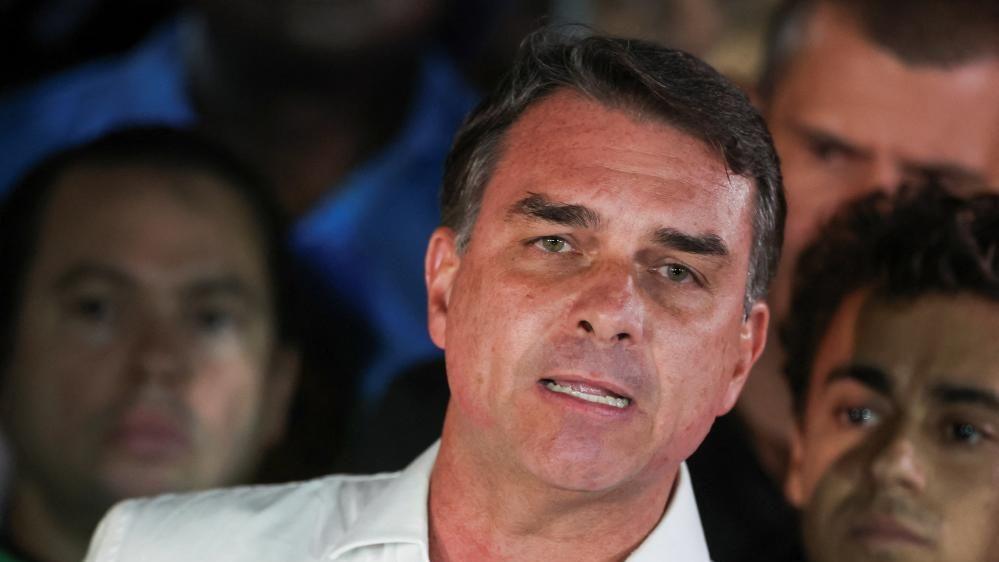
Police in Brazil have cancelled the passports of former presidential candidate Flávio Bolsonaro after he failed to hand them over to law‑enforcement officials, a move ordered by the Supreme Court.
The court demanded he surrender the passports within 24 hours as part of a probe into alleged money‑laundering. Bolsonaro, who lost the run‑off to President Lula, maintained that he would stay in Brazil to run the opposition and disputed the legality of the court’s order.
With the deadline missed, federal officers have begun checking border crossings for evidence that he might have fled to neighbouring Argentina. Argentine officials say they have no record of his entry, leaving the possibility that he remained in Brazil unsettled.
Bolsonaro faces concurrent investigations into the financing of a film about his father, former president Jair Bolsonaro, and accusations that his campaign received foreign money, both of which have inflamed public debate on corruption and political accountability.
His refusal to concede the election, coupled with the passport cancellation, has amplified criticism from opposition and raises questions about the limits of executive power and judicial oversight.
As Brazil’s political landscape settles, observers note that the cases against the Bolsonaro family could precipitate reforms in campaign financing rules and strengthen enforcement mechanisms against corruption.