In brief
The Trump administration’s meeting with Myanmar’s junta leader and the removal of certain sanctions marks a potential shift in U.S. strategy. By engaging the military regime, Washington may be prioritising economic interests over human‑rights concerns. While critics warn that the junta remains sanctioned, the new contact raises questions about the future of sanctions relief and U.S. influence in Southeast Asia.
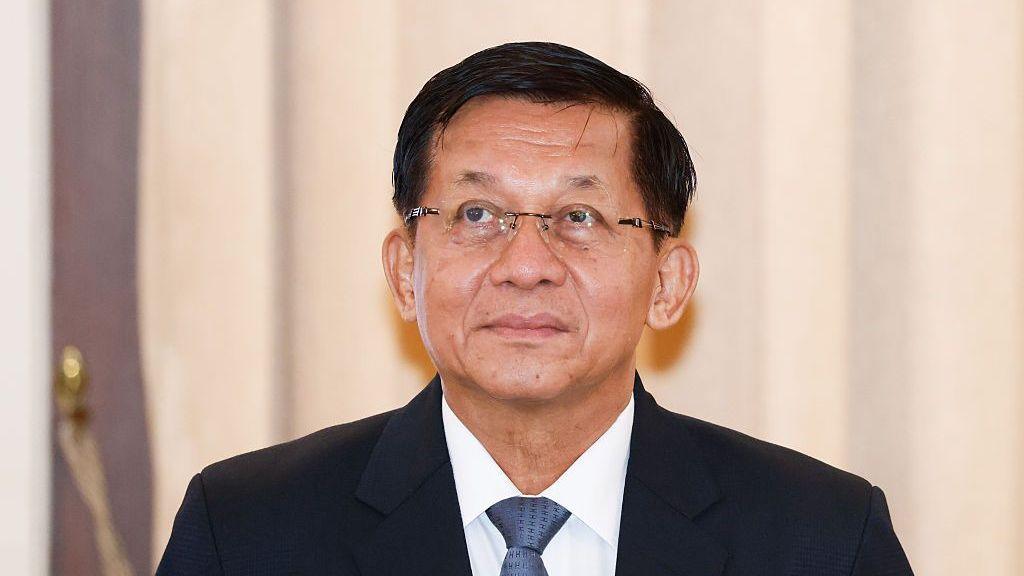
After the 2021 military coup that ousted elected leader Aung San Suu Kyi, the United States imposed strict sanctions and largely ignored the new regime. A recent meeting between Vice‑President Mike Pence’s analyst, Michael Vance, and Myanmar’s top general, Min Aung Hlaing, has sparked debate over whether Washington is changing its approach.
The Meeting and Its Significance
On 15–16 September, Vance traveled to Nay Pyi Taw to secure the release of American citizen Adam Castillo. While the primary topic was the release, the fact that Vance was the most senior U.S. official to meet the junta since the coup suggests a broader dialogue may be underway.
In a letter, President Trump praised the junta “for their leadership and vision,” a dramatic departure from the government’s earlier tone and a signal that economic interests are now taking precedence over human‑rights criticism.
Sanctions and Lobbying Activities
The U.S. has also lifted sanctions on some individuals linked to the military regime. Meanwhile, the junta has engaged U.S. lobbying groups—including DCI and former Trump confidant Roger Stone—arguing that re‑engagement could reduce China’s influence over Myanmar’s rare‑earth resources.
Impact on Human Rights and Foreign Aid
Trump’s campaign to dismantle USAID cut aid to opposition groups by more than half, and the U.S. withdrew Temporary Protected Status for 4,000 Burmese refugees. Critics say these moves have deepened suffering and eroded international support for the military’s crackdown.
Despite the public shift, analysts note that the junta remains sanctioned and that substantive policy change has yet to materialise. Washington’s new engagement may bring limited benefits to Myanmar’s economy but could also legitimize an oppressive regime.
Looking Ahead
The next steps will reveal whether the Trump administration’s new approach signals a genuine policy pivot or merely a tactical opening. For Myanmar’s civilians, the key question remains: will the U.S. use its diplomatic reach to win humanitarian access and support for democratic forces?