In brief
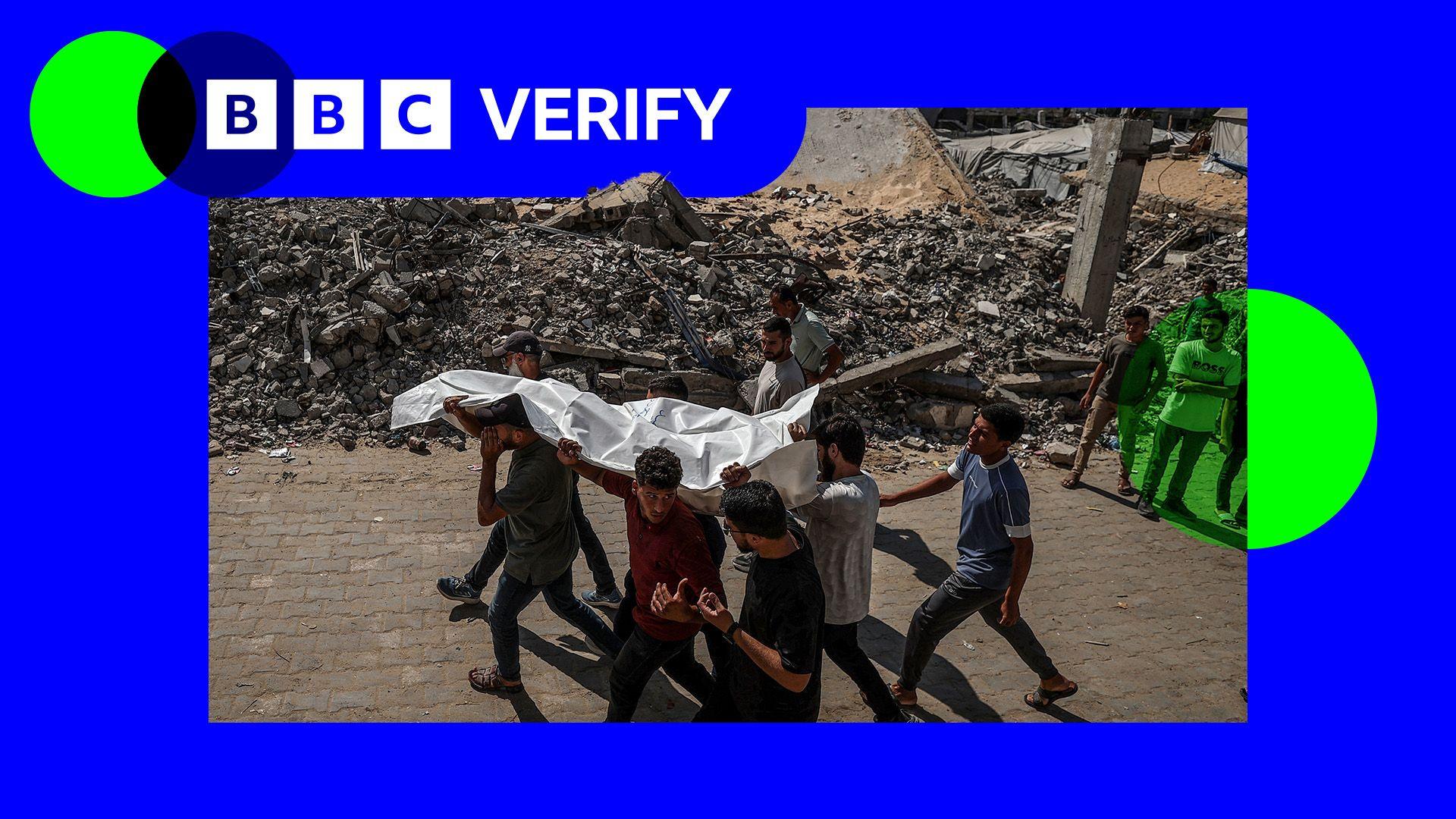
The Hamas‑run Ministry of Health in Gaza reports that more than 900 Palestinians have been killed by Israeli attacks since the ceasefire was declared on 10 October. The death toll, which includes 301 children, brings the total number of fatalities in the Gaza Strip to over 1,300. The United Nations and independent analysts confirm the figures, while Israel’s Defense Forces (IDF) deny that the numbers represent civilian casualties and argue that strikes were aimed at Hamas militants. The data highlight the ongoing conflict and the challenges of enforcing an actual ceasefire.
In a latest update released by the Hamas‑run Ministry of Health in Gaza, officials claim that more than 900 Palestinian civilians have been killed by Israeli attacks since the ceasefire that was declared on 10 October 2026. Those figures bring the total number of Palestinians killed in the Strip to over 1,300, including 301 children, and signal that the ceasefire that is largely being touted as a political gesture has failed to bring a halt to the violence.
The ceasefire came after both parties agreed to suspend all military operations, in line with U.S. President Donald Trump’s 20‑point peace plan. From the point the ceasefire was announced, the ministry recorded 251 deaths for the month of October. Since then, Israeli strikes have continued almost daily, with monthly casualty figures reaching 152 in July and 100 in August, according to the ministry’s own data.
The Israeli Defence Forces (IDF) denies that the ministry’s figures reflect civilian deaths. The IDF says its operations are precise and aimed at removing threats to Israeli civilians, and that it takes steps to minimize harm to non‑combatants. In a statement, the IDF described the July strike on a funeral procession as targeting a “significant military operative” of the Palestinian Islamic Jihad group.
The United Nations and independent research groups confirm the ministry’s figures. The UN’s health data, as well as the work of groups such as Airwars and the charity Every Casualty Counts, find the numbers to be consistent with open‑source information, including news reports, social media and on‑ground accounts. Since the start of the year, these groups have identified over 60 deadly incidents in July alone.
United Nations agencies have also highlighted the toll on children. UNICEF reports that more than 300 children have died since the ceasefire, describing the number as “absurd and devastating.” UNICEF has also documented dozens of strikes on its own staff in Gaza, including two water‑truck drivers in April who were killed while unloading water at a northern Gaza filling point.
Despite the IDF’s claims of a ceasefire, evidence of ongoing attacks, such as the August 18 beach‑side café strike that killed six people and the August 19 bombing of a police headquarters that killed nine, suggests the truce is largely in name only. The conflict monitoring group ACLED has recorded around 200 Israeli strikes during the ceasefire, many of which were aimed at Hamas commanders and other militants involved in the 7 October 2023 offensive.
The continuity of the violence remains a key stumbling block for international efforts to enforce a lasting ceasefire. While the IDF insists it remains committed to the agreement, the high number of civilian casualties and the persistence of armed retaliation from Hamas illustrate the complexity of the situation.