In brief
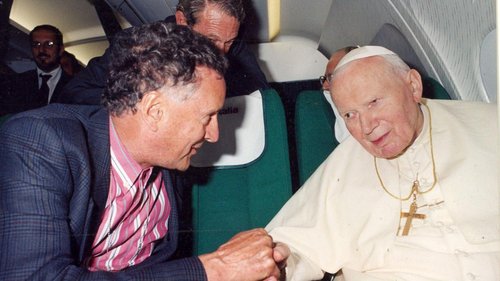
As the world reflects on the death of Pope Francis, progressive Christians, both Catholic and Protestant, face uncertainty about their future leadership and values, questioning how they will navigate a landscape increasingly influenced by conservative ideologies.
The passing of Pope Francis, revered for his advocacy for the marginalized and a robust contrast to rising conservative Christian influence, leaves many progressive Christians at a crossroads. For over a decade, the Pope was seen as a beacon for values rooted in empathy and social justice, championing the poor and vulnerable. With his absence, questions arise among these communities, particularly in the United States, where the clash between progressive and conservative Christianity is on full display. Bishop Sean W. Rowe of the Episcopal Church underscored the crucial nature of this moment, stating, “This moment is critical now,” and emphasized the urgency for progressive Christians to embody the compassionate teachings of Jesus moving forward. In a political climate where Christian rhetoric increasingly aligns with nationalism and conservatism, Bishop Rowe contends that it is necessary for progressive Christians to reclaim the core messages of their faith. He warns against allowing the integration of political views with Christian narratives, expressing concern over the dangers it poses. As the community navigates this pivotal moment, there is a renewed call for engagement, unity, and clarity in expressing their values amid the evolving dynamics of faith and politics.